
For emerging apparel brands, choosing the right fabrics and silhouettes is crucial, but the key to a successful collection lies in how accurately the design concept onto the fabric.
The field of garment printing is complex and easy to misjudge. Therefore, you need to understand the principles behind each printing method before sampling to make informed decisions.
In this guide, we will cover 10 printing methods commonly used by fashion brands, including their strengths, limitations, and best applications in apparel development.
Clothing Printing Methods Comparison Table
| Printing Method | Suitable Fabrics | Advantages | Limitations |
|---|---|---|---|
| Screen Printing | Cotton, blends, fleece | Durable and cost-effective for quantity | Less ideal for complex photo prints |
| DTG Printing | Cotton, cotton-rich fabrics | Good for full-color designs | Less efficient for large orders |
| DTF Printing | Cotton, polyester, blends | Versatile and flexible | Hand feel depends on transfer quality |
| Heat Transfer Printing | Many fabric types | Fast and low MOQ | Large designs may crack over time or feel stiff |
| Sublimation Printing | White or light-colored polyester fabrics | Lightweight and long-lasting | Limited to polyester-based fabrics |
| Puff Printing | Cotton, fleece, blends | Strong 3D texture | Not suitable for fine details |
| Reflective Printing | Most fabric types | Functional visual effect | Higher cost and care requirements |
| Foil Printing | Cotton, blends | Eye-catching shine | Less suitable for heavy washing |
| Flock Printing | Cotton, fleece | Velvet-like texture | Needs careful washing |
| Silicone Printing | Stretch fabrics, synthetics | Flexible raised effect | Higher production cost |
The Essential Base Printing Methods
These are the core workhorses of the apparel industry. They handle the heavy lifting of applying color and complex graphics to your garments.
Screen Printing
The Time-Tested Industry Standard
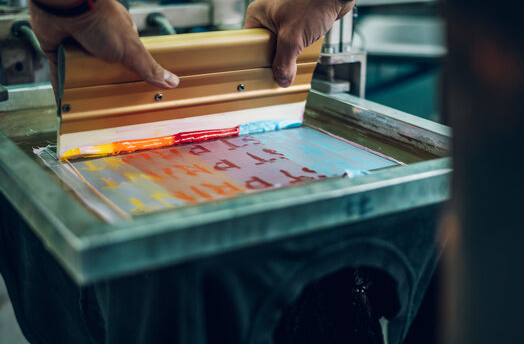
Screen printing is the traditional method where ink is pushed through a woven mesh stencil (or “screen”) onto the fabric. Each color in your design requires a separate screen, meaning setup can be labor-intensive.
- The Pros: Unmatched durability, vibrant colors, and incredibly low per-garment costs on large production runs.
- The Cons: High setup fees per color make it expensive for small batches. It is not suitable for photographic designs with complex gradients.
- Best For: Standard streetwear (T-shirts, hoodies), bold graphics with limited colors, and bulk orders (typically 300+ pieces).
Direct-to-Garment (DTG)
The Print-on-Demand Savior
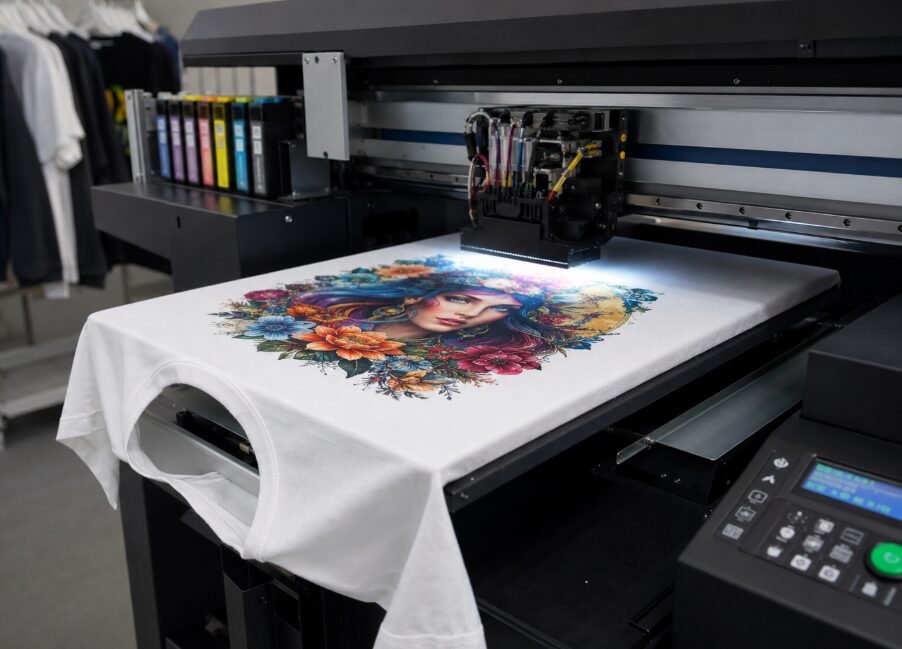
Think of DTG as a giant, highly sophisticated inkjet printer for clothes. It sprays water-based inks directly onto the fabric fibers, soaking into the garment rather than sitting on top.
- The Pros: Zero MOQs, no setup fees, and the ability to print unlimited colors and intricate photographic details flawlessly.
- The Cons: High per-unit cost that doesn’t drop significantly with bulk orders. Prints can look slightly muted on dark, heavy-weight cotton blends.
- Best For: E-commerce brands using a Print-on-Demand (POD) model, small capsule drops, and hyper-detailed artistic designs.
Direct-to-Film (DTF)
The Flexible, Modern Challenger
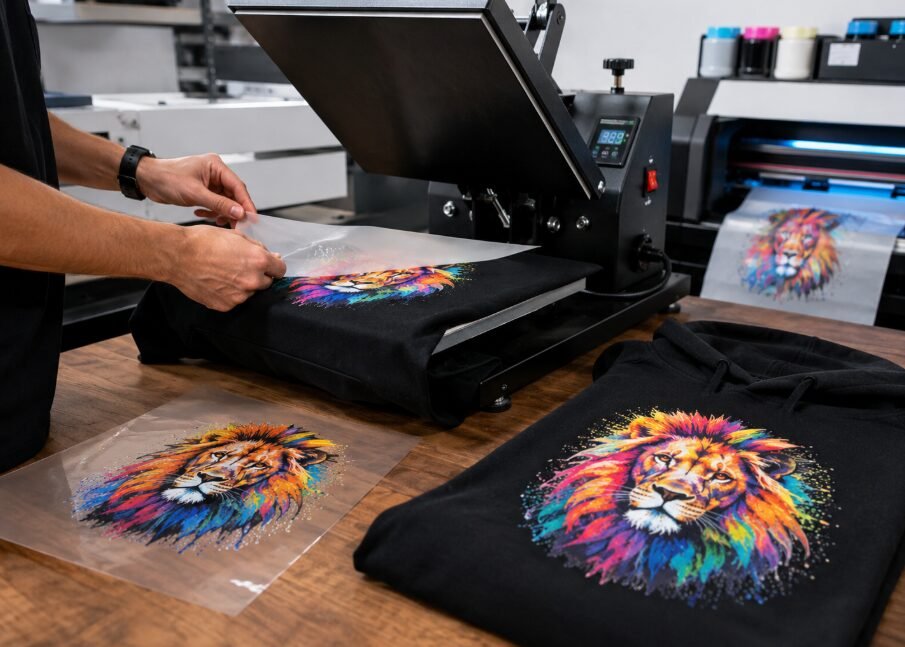
DTF is a relatively new technology that has taken the industry by storm. Instead of printing directly onto the garment, the design is printed onto a special clear film, coated with an adhesive powder, and then heat-pressed onto the clothing.
- The Pros: Yields incredibly vibrant colors and smooth graphics. Unlike DTG, it works beautifully on almost any fabric (cotton, polyester, nylon, canvas).
- The Cons: Large, solid graphics can feel slightly stiff or “plastic-like” on the chest, reducing breathability.
- Best For: Multi-fabric collections (e.g., matching cotton hoodies and nylon windbreakers), vibrant designs on dark garments, and medium-sized flexible orders.
Heat Transfer Printing
The Versatile Vector & Logo Specialist
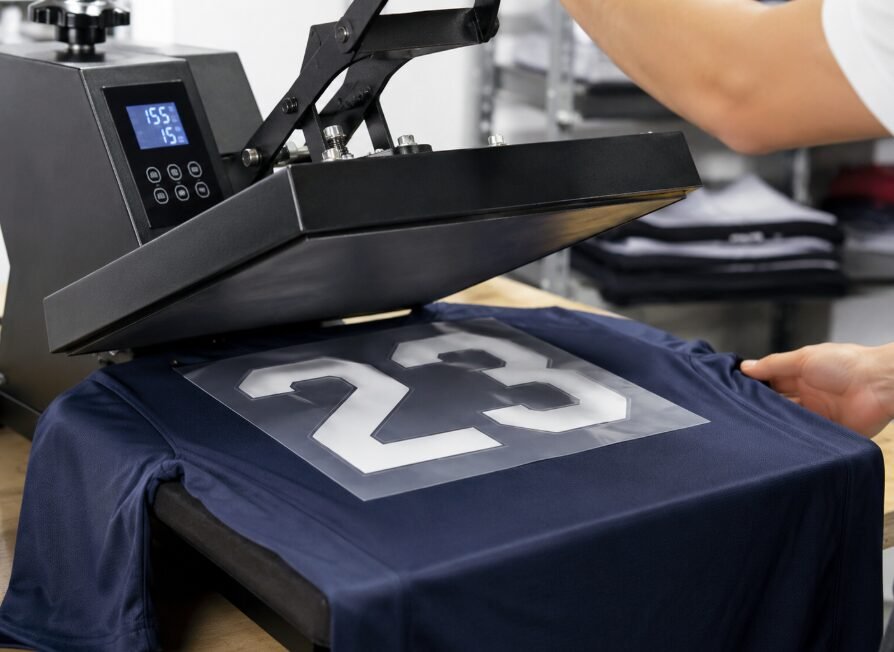
Traditional Heat Transfer printing involves printing a design onto a carrier paper or plastic sheet (often using plastisol inks or vinyl) and then using a commercial heat press to bond the design onto the garment using high temperature and pressure.
- The Pros: Ideal for sharp, multi-colored crisp logos, specific placements (like neck labels, sleeve branding, or pocket prints), and works on almost any fabric.
- The Difference vs. DTF: While DTF is a modern, digital sub-category of heat transfer suited for complex photographic gradients, traditional heat transfer (like screen-printed transfers or CAD-Cut vinyl) is better for solid, solid-color vector graphics and official brand branding elements.
- Best For: Internal neck labels (tagless labels), sports jersey numbering/lettering, and multi-fabric branding elements across hats, bags, and hoodies.
Sublimation Printing
The All-Over Print & Sportswear Specialist
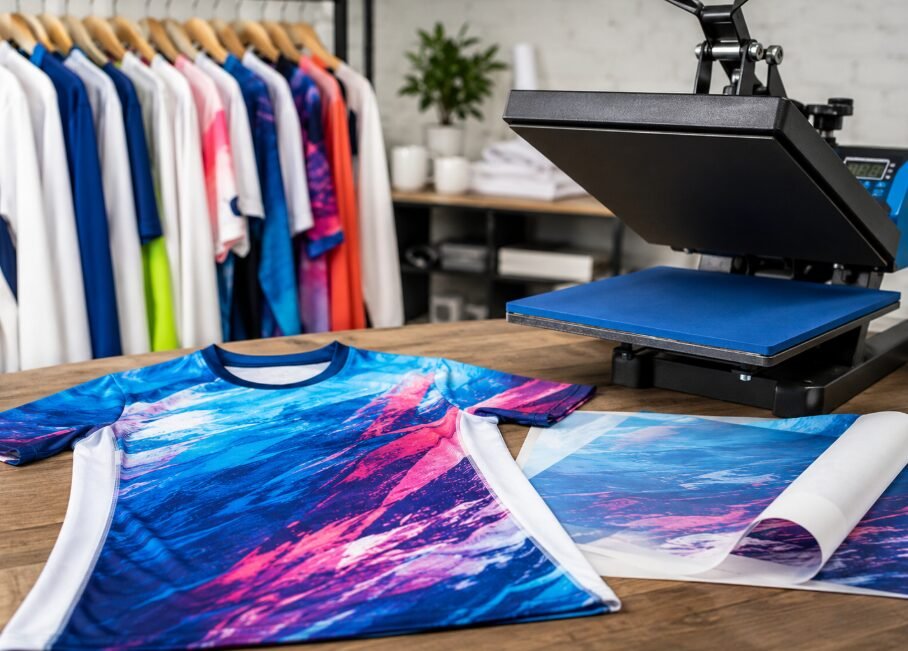
Sublimation uses heat to essentially turn liquid ink into a gas that permanently bonds with the fabric fibers. The ink becomes part of the fabric itself rather than a layer on top.
- The Pros: Absolutely zero “hand-feel” (the print is completely breathable), and it will never crack, peel, or fade. Perfect for all-over prints (AOP).
- The Cons: It only works on 100% polyester or high-polyester blends. It cannot be used on 100% pure cotton or dark-colored base fabrics.
- Best For: Activewear, yoga apparel, cycling jerseys, and loud, all-over print streetwear.
Specialty Printing Techniques
If you want to elevate your brand above the noise, basic printing isn’t always enough. These 5 specialty techniques add texture, dimension, and luxury, allowing you to charge a premium price point.
Puff Printing
3D Texture & Retro Streetwear Vibes
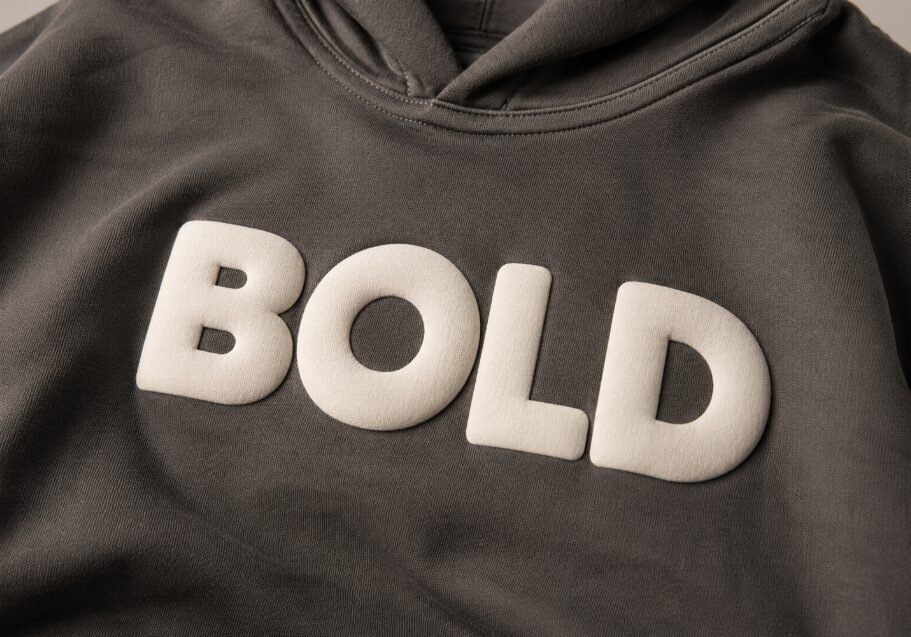
By adding a special foaming agent to screen printing ink, the design expands and rises like baking bread when exposed to heat. Puff Printing creates a distinct, pillowy 3D effect.
- The Vibe: Bold, tactile, and deeply rooted in vintage 90s sportswear and modern luxury streetwear.
- Keep in Mind: Ultra-fine details or tiny text can blur together as the ink expands. Over-washing or high-heat drying can cause the puff to prematurely deflate or wrinkle.
Foil Printing
High-Shine Metallic Luxury
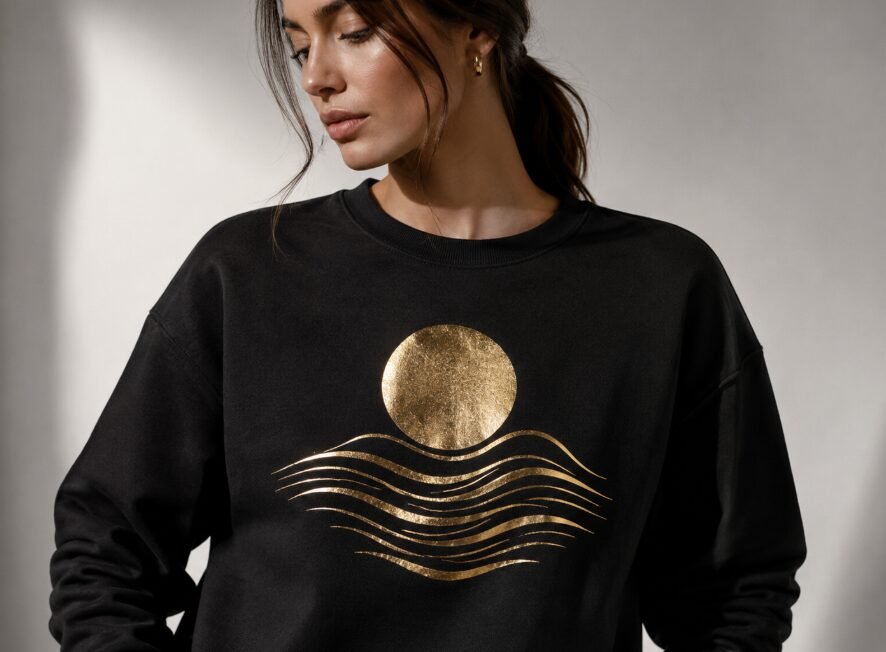
Foil printing involves printing an adhesive glue onto the garment in the shape of your design, and then heat-pressing a thin sheet of metallic foil over it. When the excess foil is peeled away, a mirror-like finish remains.
- The Vibe: High-end glamour, rock-and-roll merchandise, and striking accents.
- Keep in Mind: Foil is delicate. To maintain that high-shine mirror finish, you must instruct your customers to wash the garment inside out on a cold, gentle cycle, or hand-wash it.
Silicone Printing (Thick-Plate Silicone)
Sleek, High-Elasticity Techwear
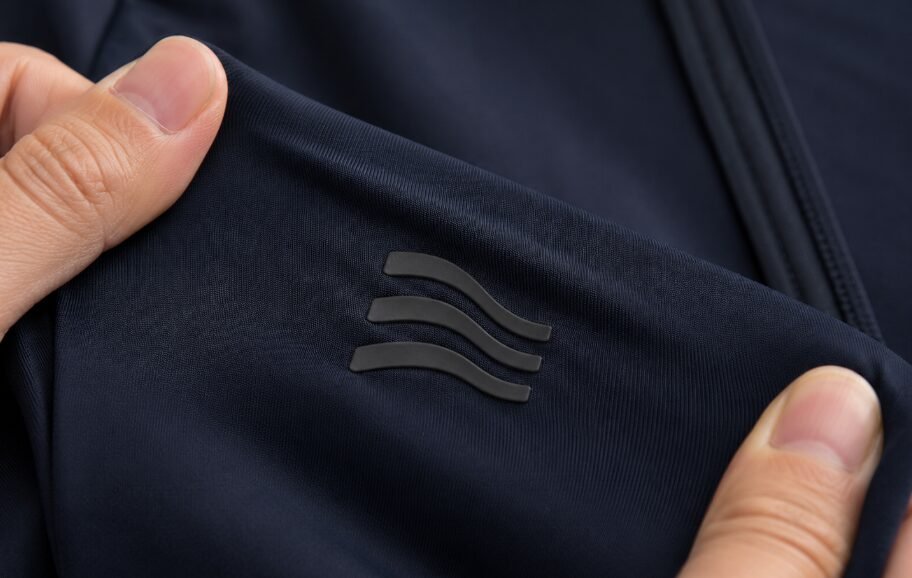
Silicone printing uses liquid silicone ink layered repeatedly to create a sharp, raised, rubbery texture. It is the gold standard for premium athletic brands.
- The Vibe: Matte or glossy high-tech luxury, minimalist logos, and heavy durability.
- Keep in Mind: .Silicone has incredible elasticity—it can stretch with performance fabrics without ever cracking. However, because it requires specialized machinery and curing, it is one of the most expensive processes in the industry.
Flock Printing
The Velvet Touch
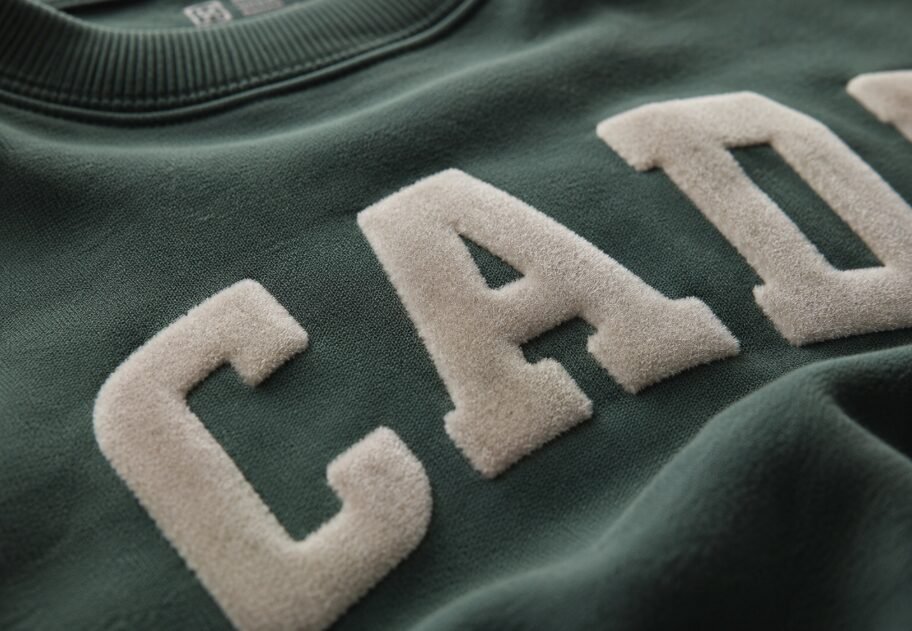
Flock printing uses a specialized adhesive and static electricity to apply tiny, vertical synthetic fibers (flock) to the fabric. This creates a soft, raised, velvety texture.
- The Vibe: Classic collegiate/varsity aesthetics, retro luxury, and cozy winter collections.
- Keep in Mind: It attracts lint and dust easily. Lower-tier manufacturers may use weak adhesives, causing the edges of the velvet to shed after a few wash cycles.
Reflective Printing
Utilitarian Function Meets Cyberpunk Style
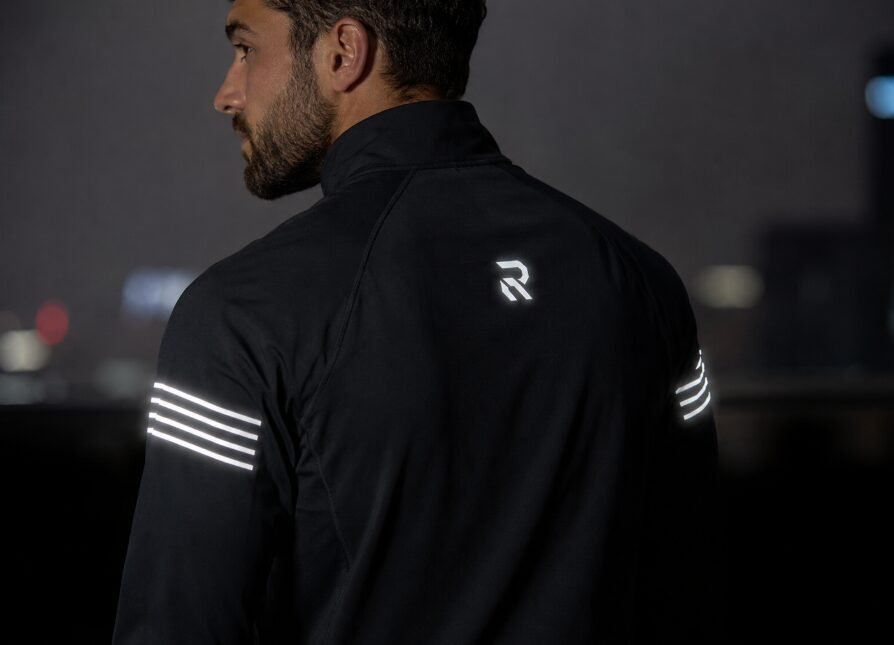
Reflective Printing utilizes ink infused with millions of microscopic glass beads that bounce light directly back to its source (like a car’s headlights or a phone’s camera flash).
- The Vibe: Techwear, outdoor safety gear, and night-club friendly festival wear that “pops” brilliantly in flash photography.
- Keep in Mind: Large blocks of reflective print can feel stiff and heavily restrict the garment’s natural breathability. Use it strategically for accent lines, back graphics, or logos.
How to Choose the Right Method for Your Brand
To finalize your production strategy, ask yourself these four fundamental business questions:
- What is my budget and volume? If you are testing the waters with a 15-piece drop, steer clear of Screen, Puff, or Silicone printing; stick to DTG or DTF. If you are ordering 200 hoodies, Screen or Puff printing will give you the best profit margins.
- What is my fabric composition? Standard cotton handles Screen, DTG, DTF, and Puff brilliantly. If you are making high-stretch leggings or nylon gym shorts, your only real choices for premium results are Sublimation or Silicone printing.
- What does my design look like? A vintage photograph of a city skyline requires DTG or DTF. A heavy, bold brand name splashed across a 400GSM hoodie begs for Puff or Flock printing.
- Can I combine methods? Absolutely! High-end brands frequently use hybrid printing. For example, you can use DTG to print a highly detailed, colorful background graphic, and then layer a bold Puff Print logo right over the top of it to give the piece depth and premium retail appeal.
Tips for Preparing Your Tech Pack
When you send your designs to a clothing manufacturer, clarity prevents costly mistakes. Always ensure your Tech Pack includes:
- Correct File Types: Provide vector files (
.AI,.EPS) for screen and specialty printing. Use high-resolution transparent files (.PSD,.PNGat a minimum of 300 DPI) for DTG/DTF. - Explicit Color Matching: Don’t just say “baby blue.” Specify a precise Pantone (PMS) color code so the factory’s ink matches your vision exactly.
- Clear Callouts: Label your tech pack clearly. Use arrows to point to your graphics and explicitly write: “3mm White Puff Print” or “High-Gloss Clear Silicone Print.”
- The Golden Rule: Always order a pre-production sample and put it through a rigorous laundry wash-and-dry test before approving the full bulk invoice.
Conclusion
There is no single “best” clothing printing method—only the method that perfectly aligns with your design, your fabric, and your current business scale. As your apparel brand grows, your printing choices will likely evolve from flexible, low-MOQ options like DTG and DTF into highly customized, high-margin specialty screen prints.