
The intersection of functional utility and high-fashion aesthetics has redefined modern streetwear. What was once strictly the domain of industrial safety gear—reflective printing—has become a cornerstone of the “techwear” and “urban-utility” movements.
In this guide, we dive into the mechanics of reflectivity, the various application methods available in streetwear manufacturing, and how to optimize your designs for high-performance production.
What Is Reflective Printing?
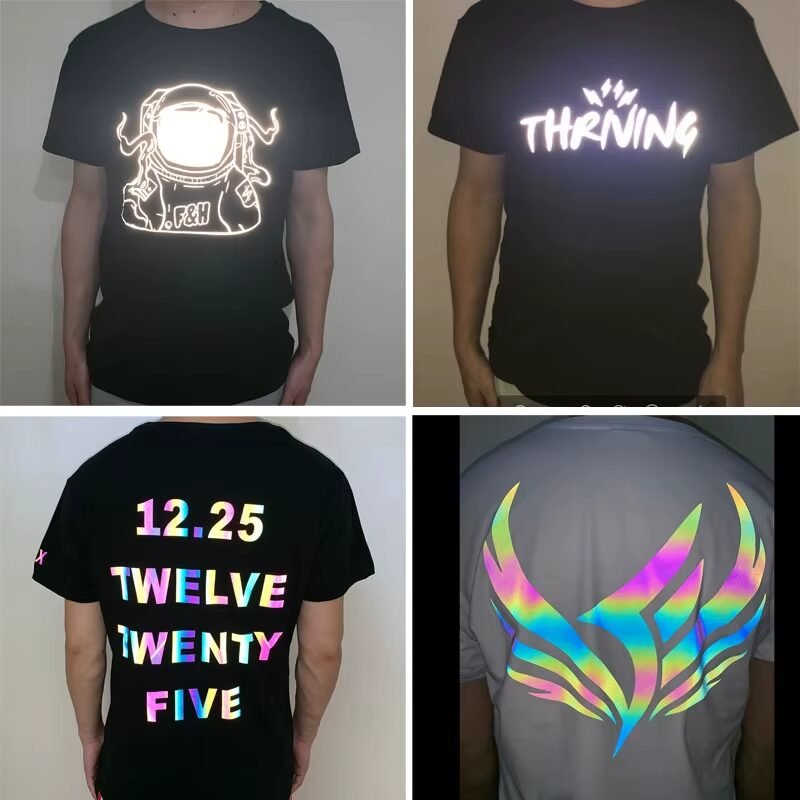
Reflective printing is a decoration method that creates a light-reflective effect on a garment surface. Under normal daylight, the print may look relatively subtle, depending on the material used. But when exposed to direct light such as flash photography, headlights, or street lighting, it reflects light back and becomes much more visible.
In streetwear, reflective printing is often used for:
- logos
- typography
- back graphics
- sleeve details
- piping-inspired design accents
- technical or utility-style garment elements
It is important to note that reflective printing is not the same as glow-in-the-dark printing. Glow-in-the-dark prints absorb light and emit it later in darkness, while reflective prints need an external light source to create the effect.
How Does Reflective Printing Work?
To design effectively, brands must understand that reflective printing isn’t just “shiny” ink. It relies on retro-reflectivity. Unlike a standard mirror that reflects light in many directions, retro-reflective materials return light directly back to its source (such as a car’s headlights or a camera flash).
Most reflective mediums utilize thousands of microscopic glass beads. When light enters these beads, it is refracted, reflected off a mirrored back-surface, and sent back out. In custom apparel production, the quality of these glass beads—their density, clarity, and uniformity—determines the “candlepower” or brightness of the reflection.
Choosing the Right Technique: Screen Printing vs. Heat Transfer
When moving into production, the most critical decision a brand makes is the application method. Both screen printing and heat transfer (vinyl/films) offer distinct advantages depending on the design complexity and budget.
1. Reflective Ink Screen Printing
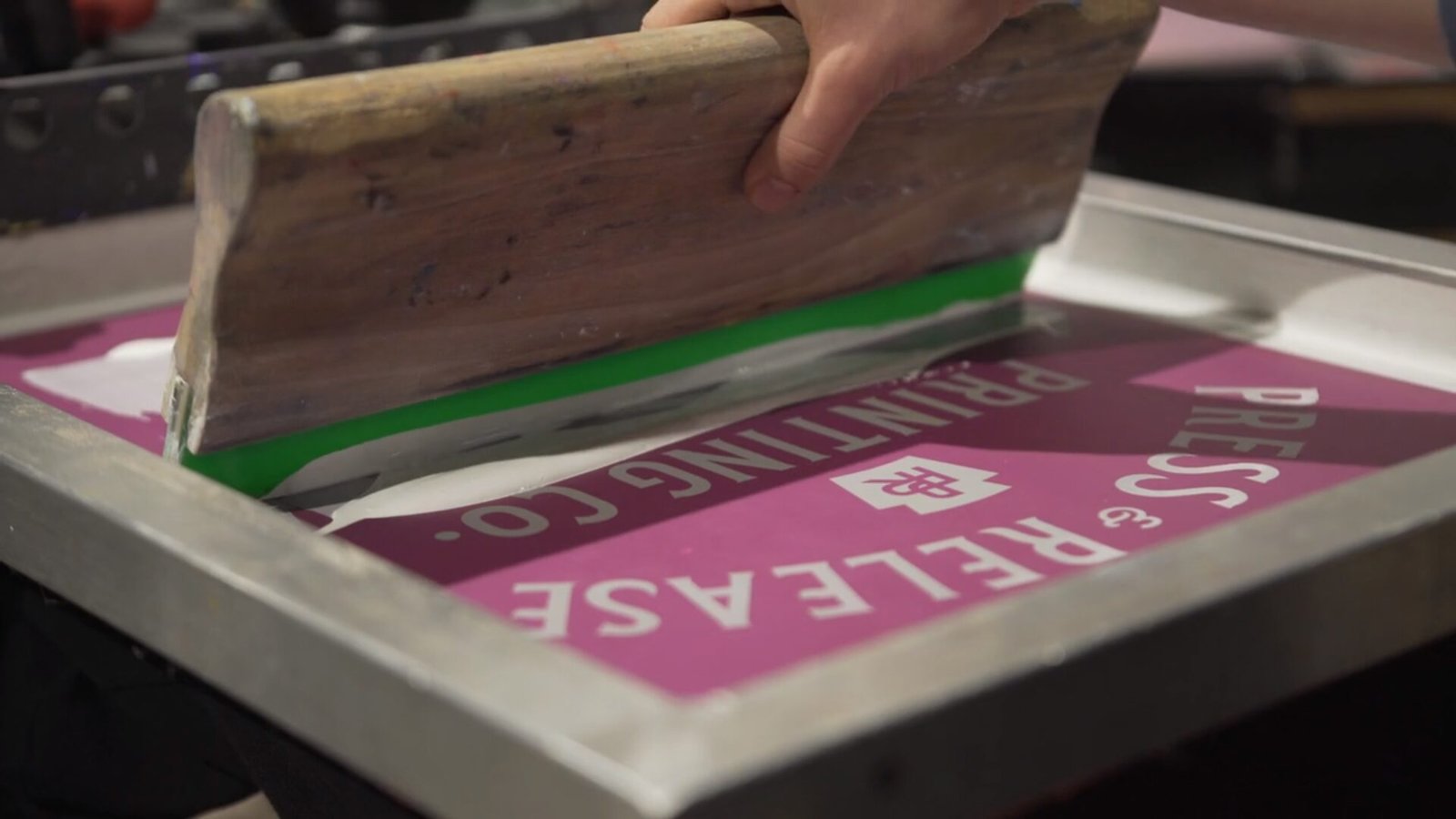
Reflective screen printing involves mixing glass microspheres into a clear or tinted ink base.
- Best for: Large-scale graphics, distressed “vintage” looks, and breathable garments.
- The Pro: It offers a softer “hand feel” compared to films. It integrates better into the fabric fibers, making it ideal for oversized hoodies or tees where drape is important.
- The Trade-off: Generally, screen-printed reflective is less “bright” than heat transfer films because the ink base slightly obscures the glass beads.
2. Reflective Heat Transfer (HTV/Films)
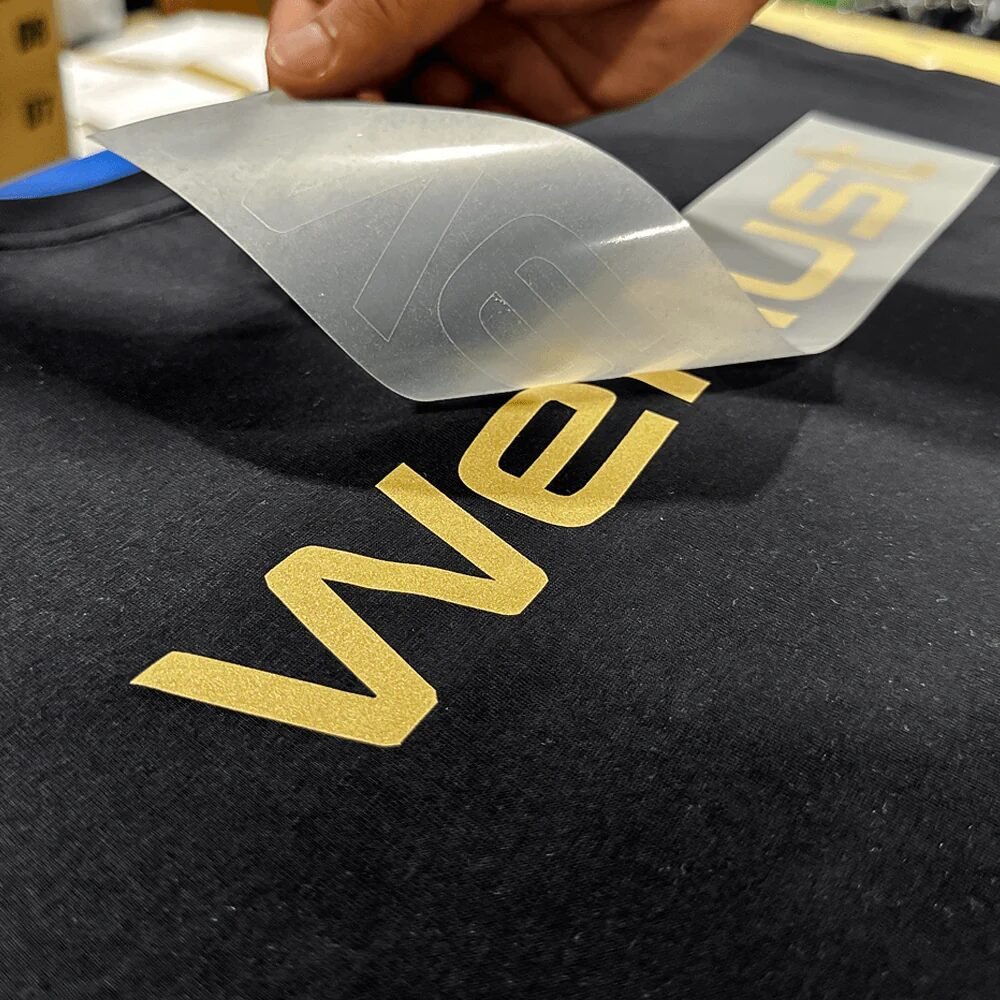
This method uses a pre-manufactured film (like those produced by 3M™) that is plotter-cut and heat-pressed onto the garment.
- Best for: Sharp lines, high-intensity reflectivity (Class 2 safety grade), and small, intricate logos.
- The Pro: Maximum brightness. Because the beads are exposed on the surface of the film, the return of light is significantly more intense.
- The Trade-off: Large solid blocks of reflective film can feel “stiff” on the chest or back and may restrict the natural stretch of the knit fabric.
Why Reflective Printing Works Well in Streetwear
Reflective printing has remained relevant in streetwear because it supports both visual storytelling and product differentiation
It Creates Strong Night-Time Visual Impact
Streetwear often relies on graphics that make an immediate impression. Reflective details add another layer to that effect by changing how the garment looks under different lighting conditions.
It Fits Technical and Utility-Inspired Design
Many modern streetwear collections borrow elements from sportswear, workwear, and performance apparel. Reflective printing fits naturally into that design direction because it feels functional as well as aesthetic.
It Helps Small Details Feel More Intentional
Not every garment needs a large front print. In many cases, a small reflective logo on the chest, sleeve, hood, or lower leg can make the product feel more considered without overloading the design.
Advantages and Limitations of Reflective Printing
Reflective printing can be highly effective, but it should not be treated as a universal solution. Brands need to understand both the strengths and the limits before choosing it for a collection
Advantages
Distinctive Visual Effect
Reflective printing offers a look that regular plastisol or water-based prints cannot fully replicate. It gives graphics a second life under flash and night lighting.
Good for Functional-Fashion Crossover
For brands blending streetwear with active, outdoor, or utility influences, reflective elements help reinforce that positioning.
Works Well for Logos and Placement Graphics
Reflective printing is especially effective when used in controlled areas, such as chest logos, back statements, sleeve graphics, or pant leg accents.
Useful for Collection Differentiation有助于区分收藏品
Even a simple silhouette can feel more original when the print finish has a clear lighting response.
Limitations
Not Always Ideal for Large Solid Prints
Large reflective areas may feel stiff, heavy, or less breathable depending on the method used. This can reduce wearing comfort, especially on T-shirts and lightweight fleece styles.
Durability Depends on Method and Testing
Not all reflective applications perform the same after repeated washing, stretching, or abrasion. Sampling and wash testing are essential before bulk approval.
Fabric Compatibility Matters
The same reflective design can behave differently on cotton jersey, brushed fleece, nylon, or blended fabrics.
Best Garments for Reflective Printing
Reflective printing can be used on many streetwear products, but some categories tend to perform better than others.
Hoodies and Sweatshirts
These are some of the most common choices because they provide enough surface area for front, back, or sleeve placements. Medium and heavyweight fabrics also tend to support the structure of reflective applications better
T-Shirts
Reflective details can work well on T-shirts, especially for smaller logos or moderate-sized graphics. Large reflective blocks are usually less ideal unless the fabric and print method have been tested carefully.
Joggers and Track Pants
Reflective accents on the leg, side panel, or lower calf area can give joggers a more technical and premium look.
Jackets and Outerwear
Reflective printing is especially effective on jackets, windbreakers, and utility outerwear because the functional look aligns naturally with the garment category.
Fabric Considerations Before Development
Fabric choice plays a major role in how reflective printing looks and performs.
On cotton-based fabrics, reflective prints can be visually effective. On fleece and brushed fabrics, the surface texture may influence print clarity. On synthetic outerwear fabrics, adhesion and pressing conditions become more important.
A graphic that looks clean on a heavyweight cotton hoodie may not translate the same way onto a lightweight stretch jersey or a coated woven jacket.
Design Considerations Before Production
Reflective printing usually performs best when it is planned early, not added at the last minute.
Control the Print Size
Smaller or medium-sized reflective graphics are often more wearable and more reliable than oversized solid blocks. This is especially true for soft knit garments.
Consider Placement Carefully
Reflective prints draw attention quickly, so placement matters. Chest logos, upper back graphics, sleeves, hood edges, and lower pant panels are common areas that work well without overwhelming the garment.
Test Under Real Lighting Conditions
A reflective sample should not be approved only under normal indoor lighting. Brands should also check it using flash photography or direct light to see the actual reflective effect.
Match the Method to the Artwork
A simple text logo, a fine-line technical graphic, and a large bold symbol may each need different reflective solutions.
When Should Brands Use Reflective Printing?
Reflective printing is most useful when it supports the product concept rather than acting as decoration for its own sake.
It is a strong choice when:
- the collection has a technical, urban, or utility direction
- wants a visible night-time effect
- the design benefits from small but memorable details设
- wants to make simple silhouettes feel more distinctive
What Brands Should Confirm With a Manufacturer
Before moving to production, brands should align with their manufacturer on more than just artwork placement.
Important points to confirm include:
The Recommended Reflective Method
The factory should suggest the most suitable method based on fabric, artwork, quantity, and target effect.
Wash and Wear Performance
Reflective applications need to be tested for wash durability, cracking risk, peeling risk, and appearance after use.
Fabric Compatibility
The print method must be checked against the actual garment fabric, not just a similar base.
Artwork Details
Line thickness, spacing, graphic size, and solid fill areas all affect the final result.
Sampling Standards
A proper sample should allow the brand to evaluate appearance in daylight, reflective effect under direct light, and overall hand feel.
Bulk Consistency
If reflective printing is a key selling point of the style, the factory should have a process to control placement, adhesion, and visual consistency during production.
Conclusion
Reflective prints create amazing visual effects that make even the simplest pieces shine.To get the best performance from these prints, it’s all about finding the right mix of pattern design, fabric choice, and manufacturing methods.
Ready to weave some cool reflective elements into your brand’s identity? As a dedicated streetwear manufacturer, our team is here to tackle the technical side of your most intricate streetwear designs. Reach out to us!
FAQ
It can be durable, but performance depends on the print method, fabric, and wash conditions.
No. Reflective printing needs an outside light source to reflect light back, while glow-in-the-dark printing stores light and glows in darkness.
Yes. The raw materials (glass beads and specialized carriers) are significantly more costly than standard plastisol or water-based inks. Expect a 20-40% premium on the printing cost depending on the surface area.