
As streetwear continues to blend with luxury, performance sportswear, and high-fashion aesthetics, the demand for complex, all-over print (AOP) designs has skyrocketed. While methods like DTF and screen printing have their place, dye sublimation printing stands alone when it comes to creating garments where the entire fabric serves as a limitless canvas.
For streetwear brands aiming to launch premium mesh shorts, technical tracksuits, or bold “vibe” shirts, understanding sublimation is a critical manufacturing strategy.
This guide outlines the technical nuances, strategic advantages, and production realities of integration sublimation into your collection.。
What Is Sublimation Printing?
Dye sublimation is a digital printing technology that utilizes heat to transfer dye onto synthetic fabrics (primarily polyester) or polymer-coated substrates. Unlike other printing methods that lay ink on top of the fabric, sublimation creates a molecular bond with the fibers.
In professional apparel manufacturing, this process transforms white synthetic fabrics into fully decorated, brand-specific garments, allowing for designs that span across seams, sleeves, and collars without interruption.
How It Works
The term “sublimation” refers to the scientific process where a substance changes from a solid state to a gas state without ever becoming a liquid.
- Digital Printing: The design is printed in reverse onto specialized sublimation transfer paper using high-quality disperse dyes.
- Heat and Pressure: The printed paper is placed in contact with the white polyester fabric. Both are fed into a rotary heat press (calender) or a flatbed press at high temperatures (typically 180°C to 210°C).
- *The Sublimation: At this temperature, the solid dye on the paper turns into a gas. Simultaneously, the polymer fibers of the fabric open up (polymerize).
- The Bond: The gaseous dye permeates the open fibers. As the material cools, the fibers close, permanently locking the dye inside. The design is now an integral part of the fabric, not a layer on top.
Types of Sublimation Application in Streetwear
While the chemistry is the same, the application methods differ based on the desired outcome and budget:
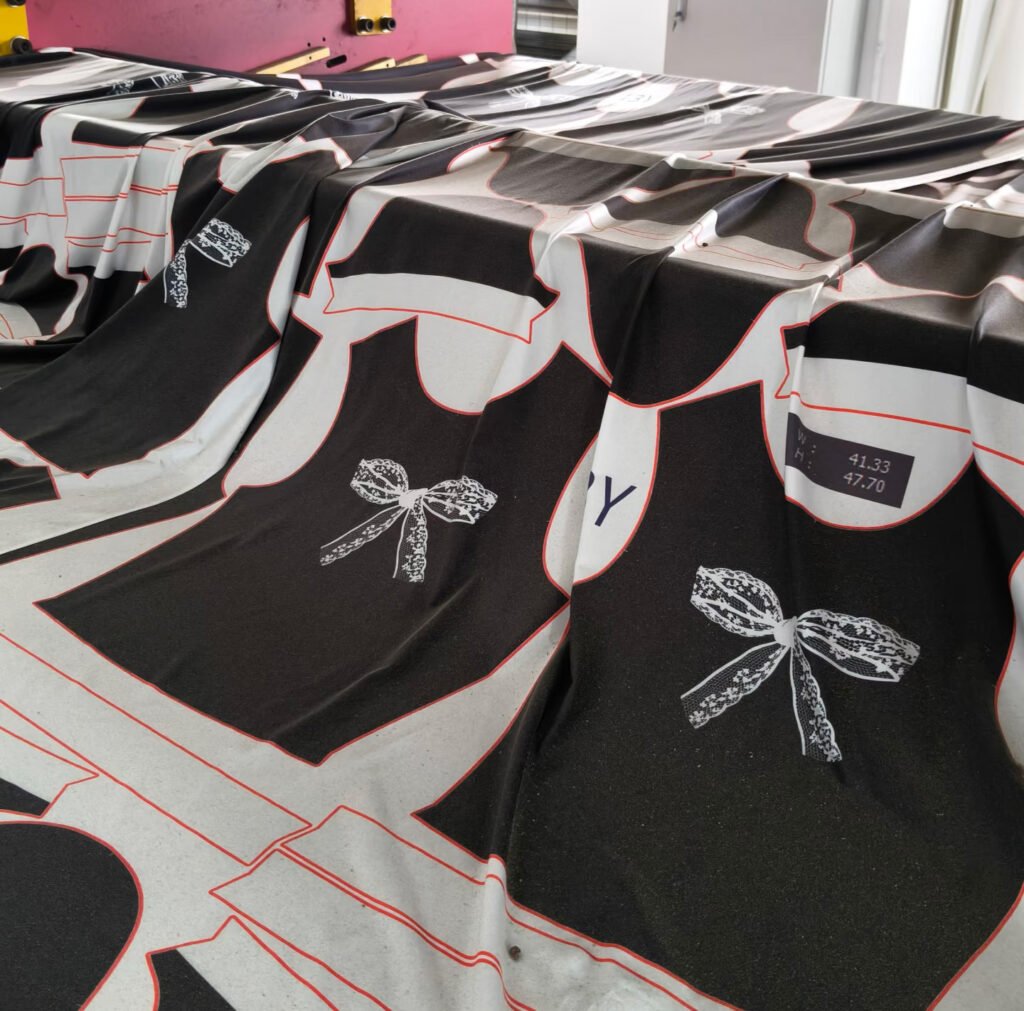
Cut-and-Sew Sublimation -The Streetwear Standard
This is the premium approach. The design is printed onto fabric panels before they are cut and sewn together. This ensures perfect continuity of the pattern across seams and prevents defects like white creases under the armpits. This is essential for high-end AOP hoodies and jerseys.
Spot Sublimation
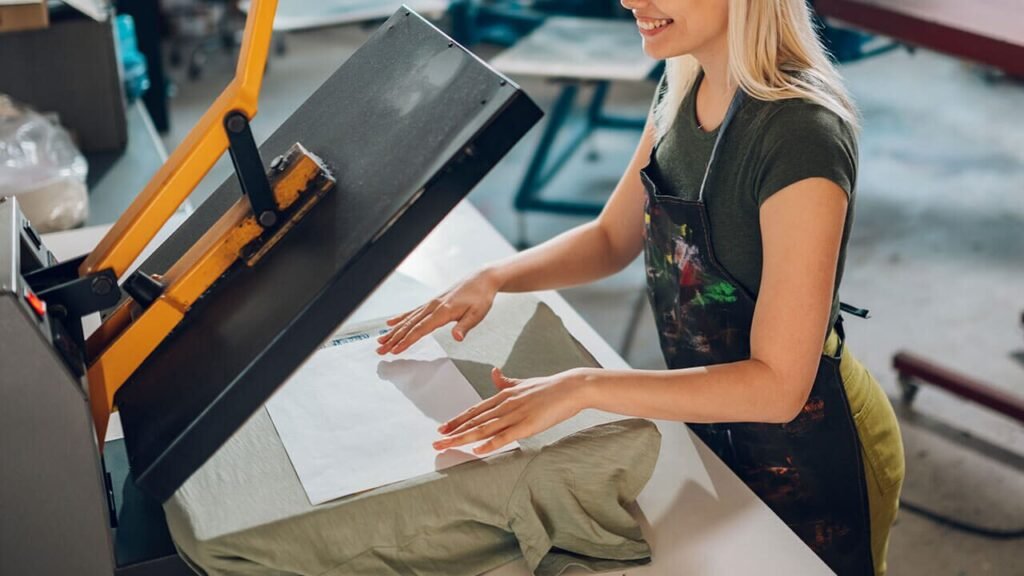
Printing on an already assembled white garment. This is rarely used for premium streetwear AOP because it results in unavoidable white imperfections near seams, ribbing, and zippers where the fabric folds.
Advantages and Limitations
The Advantages
True Zero-Hand Feel: Because the dye is inside the fiber, the print has absolutely no texture. The fabric remains as soft and breathable as it was before printing. This is critical for performance-oriented streetwear.
Unlimited Color and Complexity: Sublimation allows for full-color photographic images, complex gradients, and intricate patterns at no extra cost per color.
Extreme Durability: Since the design is chemically bonded, it will never crack, peel, or wash out. The print lasts as long as the garment itself.
Maintains Fabric Performance: On moisture-wicking or technical fabrics, sublimation does not clog the pores of the material, keeping its performance characteristics intact.
The Limitations
Fiber Restriction: It only works on polyester or high-polyester blends (at least 70% poly for acceptable results). It cannot be used on 100% cotton without specialized, less-durable pretreatments.
Base Color Restriction: Sublimation can only add color to a lighter substrate. You cannot sublimate a white design onto black fabric. The base fabric must be white or very light pastel.
Optimizing Your Tech Packs
Designing for sublimation, especially cut-and-sew AOP, requires strict adherence to technical parameters.
- Provide Full Bleed: Your artwork must extend beyond the cutting lines of the garment patterns to ensure no white edges appear after sewing.
- Color Matching (RGB vs. CMYK): Sublimation printers operate in CMYK. For critical brand colors, provide Pantone (PMS) references. The factory need to perform color calibration for the specific fabric being used.
- File Resolution: Like all digital printing, a minimum of 300 DPI at actual size is required for raster imagery. Vector files are preferred for typography and sharp logos to ensure crisp edges during the gas phase.
Best Use Cases for Streetwear Brands
Basketball/Soccer Jerseys: The staple of modern streetwear drops, requiring full customization and breathable fabrics.
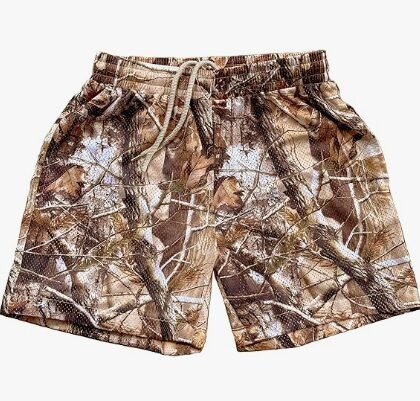
Mesh Shorts: AOP mesh shorts are heavily reliant on sublimation to keep the holes open and breathable.
Technical Tracksuits: Windbreakers and track pants made of polyester or nylon blends with loud, complex graphics.
Accessories: Bucket hats, socks, and tote bags made of synthetic materials.
What to Consider When Cooperating with a Factory
Sublimation printing requires tight quality control. When auditing a factory, confirm the following:
In-House Cut-and-Sew Capability
Does the factory handle the entire process from printing to sewing? Disconnects between the printer and the sewing room lead to misaligned patterns.
Ink Quality
Ask if they use Italian or Japanese sublimation inks. Cheap inks result in dull colors, poor UV resistance (fading in the sun), and potentially hazardous chemicals.
Calender Roll Precision:
For consistent AOP, industrial rotary heat presses are required to ensure uniform temperature and pressure across the entire width of the fabric roll, preventing shading differences.
Fabric Sourcing
A professional streetwear manufacturer should offer a wide range of “sublimation-ready” polyester fabrics, from heavy fleece for hoodies to lightweight mesh for jerseys, ensuring they have the right hand-feel for streetwear.
Conclusion
Sublimation printing is the key to unlocking the boldest, most complex aesthetic expressions in streetwear. It transforms synthetic fabrics from functional materials into premium design elements. However, achieving retail-ready quality requires a manufacturer that masters the synergy between digital printing, precise heat transfer, and expert cut-and-sew assembly.
Ready to drop your next AOP collection? Our facility specializes in end-to-end cut-and-sew sublimation for premium streetwear. [Contact our team] to submit your tech pack for a prototype.
Frequently Asked Questions
Sublimation does not work on 100% viscose because it is a natural cellulose fiber that cannot bond with sublimation dye. However, you can sublimate on poly-viscose blends (typically 65% polyester/35% viscose).
Sublimation generally lasts longer than DTF (Direct to Film) on polyester fabrics because the ink dyes the fibers directly, preventing cracking or peeling.
There is no single best option; it depends on the specific use case.Sublimation is best for light-colored polyesters, while heat transfer is highly versatile for various colors and materials.