
When brands compare sublimation and screen printing, the real question is not which method is better in general. The better question is which one fits your product, fabric, artwork, and order plan.
Both methods are widely used, but they work in very different ways. Sublimation uses heat to transfer dye into synthetic material, while screen printing pushes ink onto the surface of the fabric through screens. That difference affects everything from color performance and hand feel to cost, fabric compatibility, and production volume.
This guide breaks down the key differences between sublimation and screen printing so you can decide which option makes more sense for your brand.
Key Takeaways
- Choose sublimation when you need full-color artwork, gradients, or all-over prints on light-colored polyester fabrics.
- Choose screen printing when you need bold graphics, logo prints, or large-volume production on cotton or cotton-blend garments.
- Sublimation gives a smoother feel because the design becomes part of the material rather than sitting on top of it.
- Screen printing offers more material flexibility and supports specialty effects such as puff, metallic, glitter, and glow-in-the-dark inks.
- Sublimation works well for smaller runs, while screen printing usually becomes more cost-effective as order quantity increases.
What Is Sublimation Printing and Screen Printing?
Sublimation printing is a heat-based process that transfers dye into polyester fabric or another polymer-coated surface. Instead of forming a visible ink layer on top, the design bonds with the material itself. That is why sublimation prints usually feel smooth and keep a clean, lightweight finish.
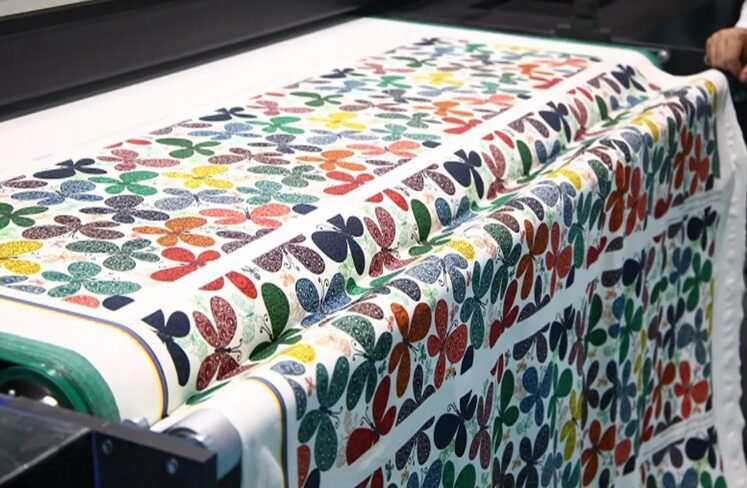
Screen printing works differently. It applies ink onto the garment surface through a stencil and mesh screen. Each color usually needs its own screen, so setup takes more time, especially for multi-color graphics. But once the setup is ready, the method becomes efficient for bulk production.
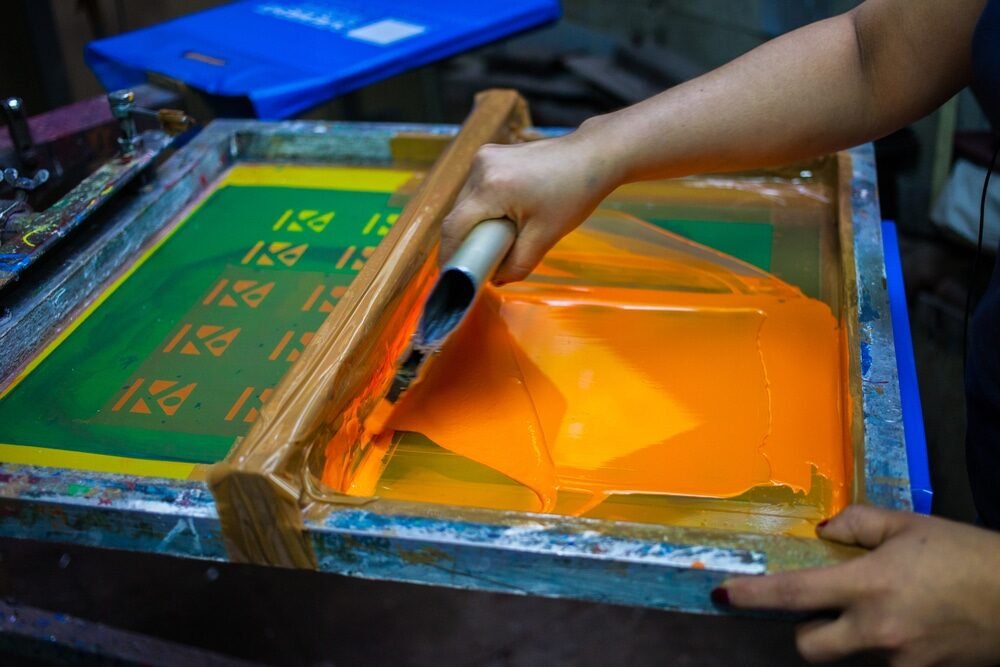
In simple terms, sublimation dyes the fabric. Screen printing layers ink on top of it.
Key Differences Between Sublimation and Screen Printing
Fabric Compatibility
Sublimation printing works best on polyester-based materials because the dye needs a synthetic surface to bond with under heat. On natural fibers, the image usually looks weaker and does not stay as stable over time.
Materials that work best for sublimation printing:
- 100% polyester fabrics. These give the cleanest color result and allow the dye to fully transfer into the fabri
- High-polyester blends. Blended fabrics can still work, but the final print usually looks softer or less vivid than on pure polyester.
- Polymer-coated products. Some non-fabric items can also accept sublimation if they have a coating designed for this process.
Screen printing is more flexible in terms of material choice because it places ink on the garment surface instead of bonding dye into the fiber itself. That makes it a practical option for a much wider range of apparel fabrics.
Materials that work best for screen printing:
- Cotton fabrics. Cotton is one of the most common choices for screen printing because it holds ink well and suits everyday apparel.
- Cotton-poly blends. These fabrics can also produce stable print results when the ink and curing process are handled properly.
- Heavier apparel fabrics. T-shirts, hoodies, sweatshirts, and similar products often work well with screen printing, especially for bold graphic designs.
Print Quality and Color Detail
If your artwork includes gradients, shadows, small details, or photo-style imagery, sublimation usually has the advantage. It reproduces complex color transitions more naturally and keeps the print surface smooth.
Screen printing is excellent for bold logos, strong shapes, clean typography, and designs with limited solid colors. It can still deliver a very high-quality result, but it is not the first choice for highly complex, photographic artwork.
Hand Feel and Durability
n terms of both softness and durability, the sublimation process typically offers distinct advantages. Because the dyes fully penetrate and integrate into the fabric fibers, the printed patterns do not form a thick, rigid coating on the surface; consequently, the material retains a superior feel, and the graphics are immune to cracking or peeling.
Screen printing is also durable when done correctly, but the ink layer sits on the garment surface. Over time, that layer can show wear, especially if the garment faces repeated washing, heat, or heavy friction.
Design Flexibility
Sublimation gives brands much more freedom with color count. Since the design prints digitally, it can handle unlimited color combinations more easily than traditional screen printing. That makes it a strong fit for large graphics, repeated patterns, and all-over layouts.
Screen printing has limitations regarding color, as adding each additional color requires extra setup time. However, it offers the ability to produce far richer print effects! If your design calls for puff, metallic inks, glitter, Reflective, or other special effects, screen printing is undoubtedly the superior choice.
MOQ and Cost Efficiency
For smaller orders, sublimation is usually easier to justify. It has less setup, no screen preparation, and less pre-production labor. That makes it more practical for small runs, test orders, and lower-volume programs.
Screen printing usually works better when quantity grows. Setup takes longer and costs more at the beginning, but once production starts, the cost per unit becomes more attractive on larger orders. That is why screen printing remains one of the most common choices for bulk T-shirt production.
Overview Table: Sublimation vs Screen Printing
| Factor | Sublimation Printing | Screen Printing |
|---|---|---|
| Best fabrics | Polyester and other synthetic fabrics | Cotton, cotton blends, and many other fabrics |
| Best garment colors | white colors | All colors |
| Print look | Smooth, clean, lightweight | Bold, opaque, slightly textured |
| Detail level | Excellent for gradients and complex artwork | Best for simple, bold graphics |
| Specialty effects | Limited | Strong option for puff, metallic, glitter, and more |
| Setup cost | Lower for small runs | Higher upfront setup |
| Best order size | Small to medium runs | Medium to large bulk orders |
| Typical use cases | Sportswear, all-over print, polyester products | Tees, hoodies, merch, logo graphics |
| Print durability | Strong resistance to cracking and peeling | Durable, but surface ink can wear over time |
How to Choose Between Sublimation and Screen Printing
A simple way to choose is to look at four things first: fabric, artwork, order quantity, and brand positioning.
Choose sublimation if:
- your fabric is mostly polyester
- your artwork includes gradients, detailed illustrations, or photo-like color transitions
- you want a soft, smooth print feel
- you are developing sportswear or all-over printed products
- your run size is smaller or you need flexible order quantities
Choose screen printing if:
- your garments are cotton or cotton-heavy blends
- your design is graphic, bold, and easy to separate by color
- you need specialty ink effects
- you are producing larger quantities
- you want a classic print look for tees, hoodies, or merch
In practice, many brands use both methods across different product lines. A sportswear capsule may use sublimation, while the brand’s core streetwear tees and hoodies may stay with screen printing. The right answer often depends on the product category rather than the brand as a whole.
What Should Brands Confirm Before Production?
Before you approve sampling or move into bulk production, confirm the technical basics early.
First, check the fabric composition. If the garment is not suitable for sublimation, the print result will disappoint no matter how strong the artwork looks on screen.
Second, review the garment base color. Sublimation performs best on light-colored goods, while screen printing gives you more freedom on dark bases.
Third, look closely at the artwork style. Fine gradients, photo effects, and multi-color transitions often point toward sublimation. Strong logos, oversized text, and simple shapes often work better in screen printing.
Fourth, confirm the order volume. If the style is headed for bulk production, screen printing may deliver better cost efficiency. If the order is small or still in the testing stage, sublimation may be easier to manage.
Fifth, define the print placement and size early. A chest logo, full-front graphic, and all-over print each come with different production logic.
Finally, align on wash expectations and approval standards. Brands should confirm color expectations, strike-offs or print tests, and care guidance before production begins. That reduces surprises later, especially when repeat orders are part of the plan.
Conclusion
Both dye sublimation and screen printing are excellent options, but they serve different purposes.
If you are developing a new series of patterns, we can recommend the most suitable printing method based on your designs, thereby helping you avoid the high costs associated with trial and error.
FAQ
For most classic streetwear tees and hoodies, screen printing is usually the more natural fit. For polyester performance pieces or highly detailed all-over concepts, sublimation may work better.
Sublimation usually holds color and surface appearance longer because the dye becomes part of the material rather than sitting on top of it. Screen printing is still durable, but the ink layer can wear over time with washing and friction.
For smaller orders, sublimation is usually easier to justify. It has less setup, no screen preparation, and less pre-production labor. But for larger orders – especially with limited colors – screen printing becomes the more budget-friendly choice