
Embroidery is one of the few apparel decoration methods that can change the feel of a garment as much as its appearance. A simple stitched logo can make a basic hoodie & sweatshirt, or cap look more branded, more structured, and often more premium. That is why embroidery continues to be widely use streetwear and lifestyle collections.
At the same time, embroidery is not always the right solution for every design. The final result depends on fabric stability, artwork detail, stitch setup, and placement. Understanding these basics early can make sampling more efficient and help avoid unnecessary production issues later.
What Is Embroidery?
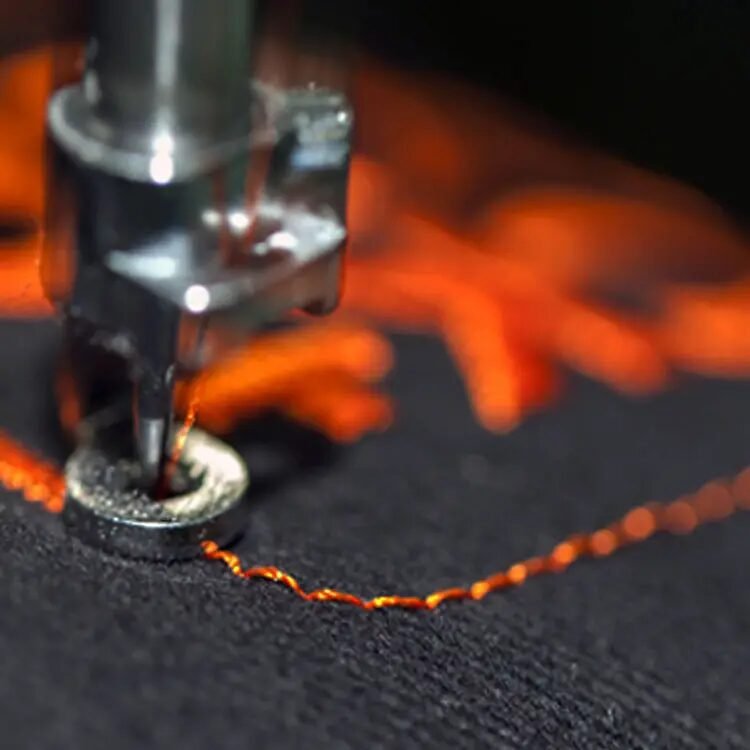
Embroidery in apparel is the process of stitching logos, lettering, or decorative graphics directly onto fabric using thread. Instead of printing, embroidery builds the design through stitches, giving it a raised and more textured appearance.
In garment production, embroidery is commonly used for:
- chest logos
- sleeve branding
- back neck details
- cap graphics
- monograms
- patch-style artwork
- decorative motifs
How Does Embroidery Work?
Although embroidery looks simple on the finished garment, the production process involves several technical steps. Good embroidery depends on more than the machine itself. Artwork preparation, stitch planning, backing selection, and fabric behavior all affect the final result.
Digitizing the Artwork
Before embroidery can begin, the design must be converted into a stitch file. This process is called digitizing. It tells the embroidery machine how to build the design, including stitch direction, stitch density, sewing order, and thread changes.
This step matters because not every graphic translates well into embroidery. Fine lines, very small text, gradients, and highly detailed artwork often need to be simplified before sampling.
Choosing Thread, Backing, and Placement
Once the artwork is digitized, the next step is choosing the right thread, backing, and placement. The backing supports the fabric during stitching and helps reduce distortion.
A stable heavyweight sweatshirt, for example, can usually handle embroidery more easily than a thin, stretchy jersey T-shirt. That is why the same design may need different settings depending on the garment.
Running a Sample
Sampling is important because embroidery can behave differently in real production than it does on a digital mockup. A sample allows brands to check:
- design clarity
- stitch tension
- puckering risk
- placement accuracy
- inside finish
- fabric response after stitching
Moving Into Bulk Production
After sample approval, the order moves into bulk production. At this stage, consistency becomes critical. Thread matching, hoop positioning, stitch quality, and garment alignment all need to be controlled carefully to keep the embroidery looking uniform across the full order.
Types of Embroidery Used in Apparel
Not all embroidery creates the same result. Different embroidery techniques can change the texture, visual style, cost, and suitability of a garment.
Flat Embroidery
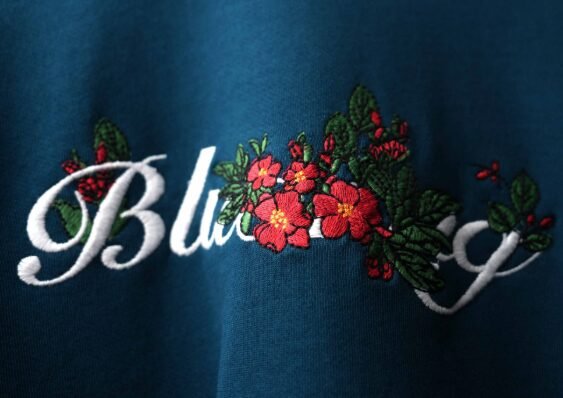
Flat embroidery is the most common type used in apparel production. The stitches sit relatively flat on the garment surface, making this a practical choice for logos, lettering, and simple graphics.
Flat embroidery is often the standard starting point because it is clean, versatile, and usually more cost-effective than more decorative styles.
3D Puff Embroidery
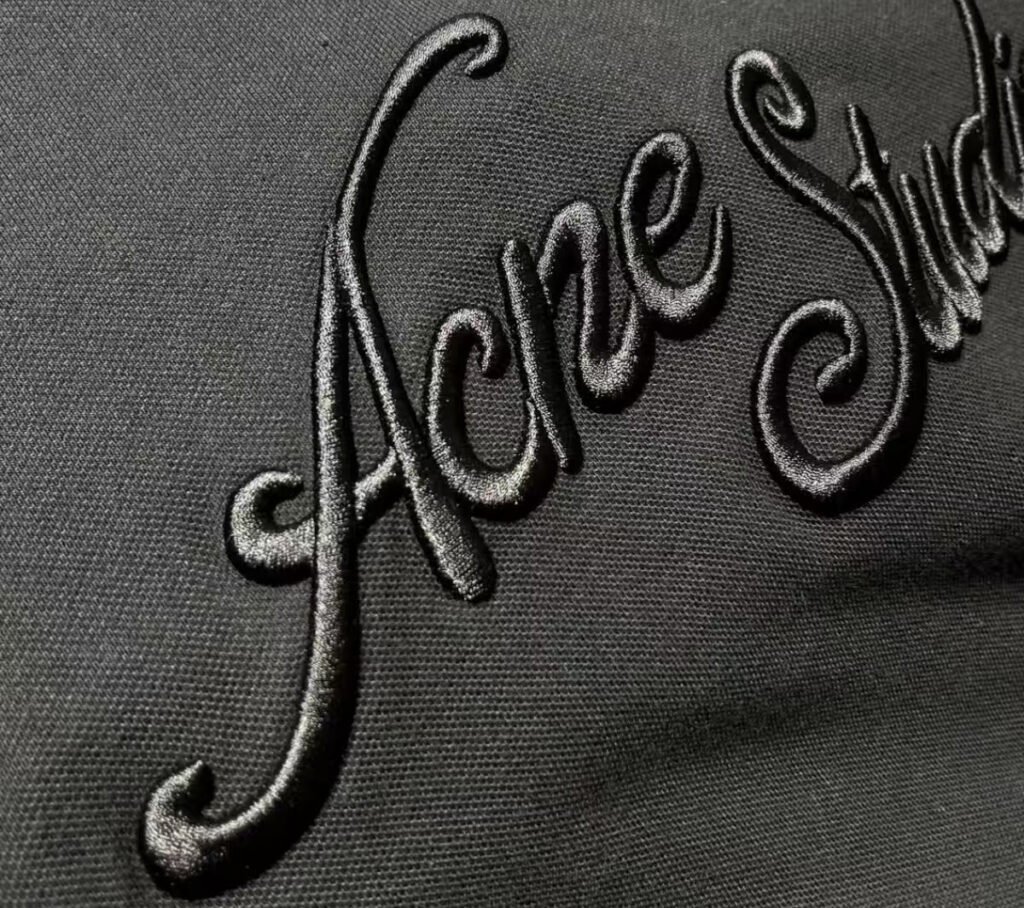
3D puff embroidery uses foam underneath the stitches to create a raised effect. It is often used on caps and bold logo applications where the design needs more depth and visibility.
This type is not ideal for highly detailed artwork, since very small elements and thin lines may not form cleanly.
Appliqué Embroidery
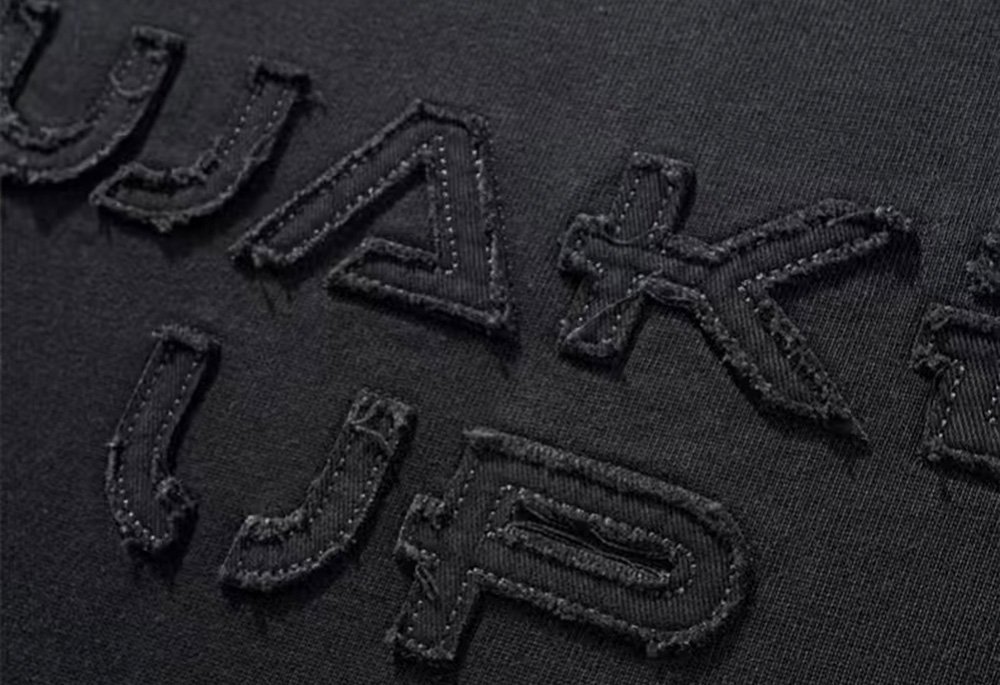
Appliqué combines fabric pieces with embroidery stitching. Instead of filling a large shape entirely with thread, part of the design is created by attaching a separate fabric piece and securing it with stitches.
Appliqué can create a more layered look while also reducing stitch density in larger designs.
Patch Embroidery
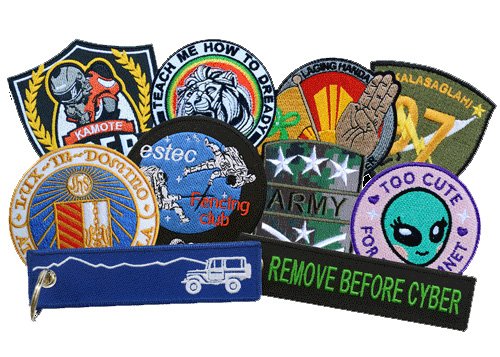
Patch embroidery involves creating the embroidered design on a separate backing first and then attaching it to the garment. This method is often used for badges, uniforms, logos, and decorative branded elements.
Chenille Embroidery
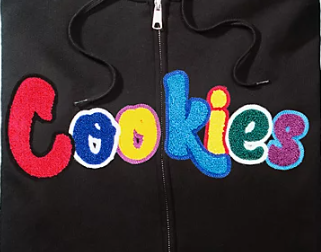
Chenille embroidery creates a soft, raised, and textured surface that gives the design a bold and highly visual effect. Compared with flat embroidery, it has more volume and a more distinctive tactile feel, which makes it especially popular in modern streetwear.
Chain Stitch
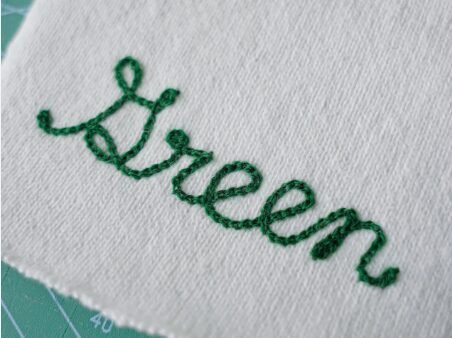
Chain stitch embroidery uses looped stitches that form a chain-like pattern on the fabric surface. Compared with standard flat embroidery, it creates a softer, more decorative, and often more vintage-looking effect.
Cord Embroidery
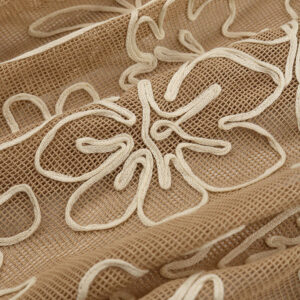
Cord embroidery uses decorative cords or thicker yarns stitched onto the fabric surface to form outlines or graphic details. Compared with standard embroidery, it creates a more dimensional and tactile effect.
Bead Embroidery
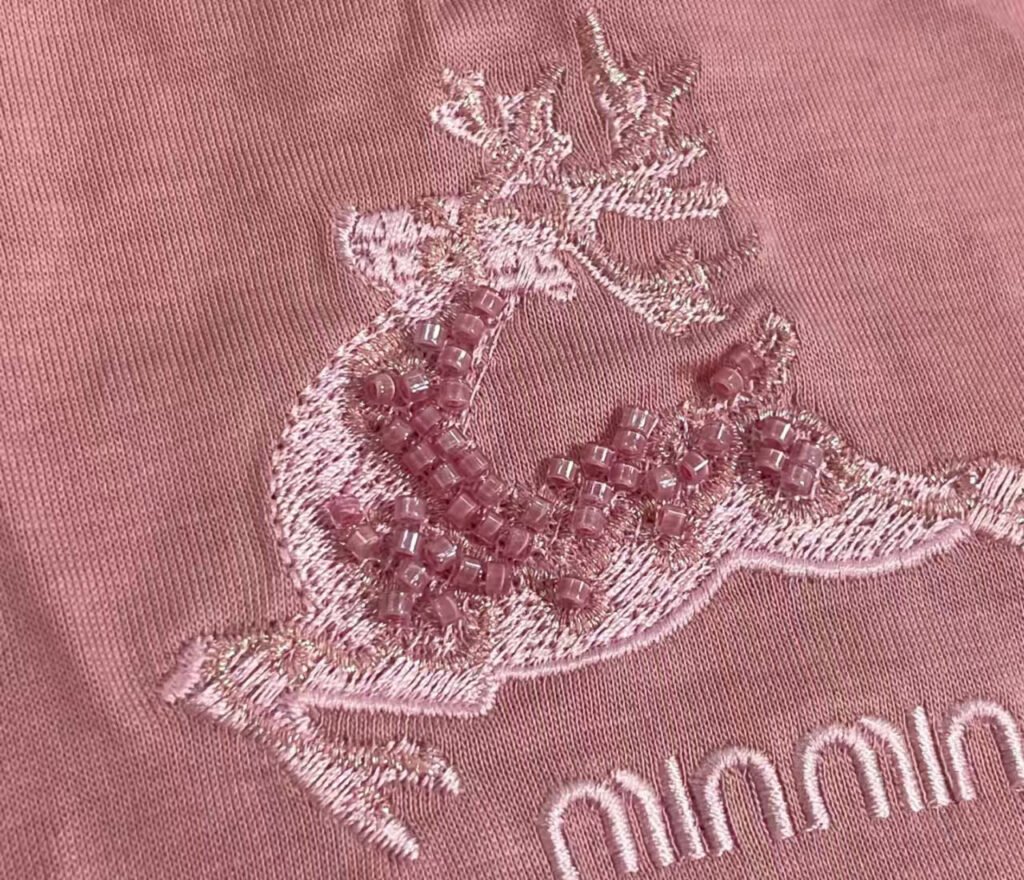
Bead embroidery combines stitching with beads or similar decorative elements to create a more detailed and ornamental surface. This type is more common in fashion-led apparel, womenswear, stagewear, and occasion-focused products than in everyday basics.
Advantages and Limitations of Embroidery
Embroidery can be a strong choice, but it is not ideal for every product or every design.
Advantages
Strong visual texture
Embroidery adds depth and surface interest that flat decoration methods cannot always achieve.
More premium presentation
A stitched logo or graphic often gives the garment a more polished and higher-value look.
Good for logos and simple graphics
Embroidery is especially effective for small to medium branding placements.
Durable for regular wear
With the right construction and stitch setup, embroidery usually performs well over time.
Limitations
Not suitable for every artwork style
Very detailed illustrations, tiny lettering, and gradient-heavy graphics usually do not translate well into stitches.
Higher cost than basic printing
Embroidery often increases unit cost because of digitizing, stitch count, thread usage, and machine time.
Can affect drape on soft fabrics
On lightweight or unstable fabrics, embroidery may cause pulling, puckering, or stiffness.
Placement can be limited
Areas near seams, pockets, rib panels, or high-stretch zones may be harder to embroider cleanly.
What Fabrics Work Best for Embroidery?
Fabric choice has a major impact on embroidery quality. In general, more stable materials tend to produce cleaner and more reliable results.
Fabrics That Usually Work Well
Embroidery is commonly used on:
- french terry
- fleece
- heavyweight cotton jersey
- twill
- denim
- canvas
- piqué
- structured woven fabrics
These materials usually provide enough stability to support stitching without excessive distortion.
Fabrics That Need More Caution
Embroidery can be more difficult on:
- lightweight jersey
- very soft knits
- stretchy fabrics
- thin performance fabrics
- silk-like materials
These fabrics are more likely to pucker or deform around the stitched area. In those cases, the artwork may need to be adjusted and the backing must be selected more carefully.
What Should Brands Confirm Before Production?
Before approving bulk production, brands should review several practical points to reduce the risk of rework or quality issues.
Artwork Size and Detail
The design should be checked for embroidery suitability. Overly fine details usually need to be simplified.
Stitch Count and Cost
Embroidery pricing is often linked to stitch count. Larger and denser designs usually mean more machine time and higher cost.
Placement
Placement should be confirmed on the actual garment, not just on a flat mockup. A logo can look balanced on screen but sit awkwardly once sewn.
Fabric Stability
The chosen fabric should be tested with the actual embroidery design. A good-looking logo still may not perform well on the wrong base material.
Backing and Comfort
The inside finish matters, especially for garments worn close to the skin. Brands should review whether the embroidery backing feels acceptable for the end use.
Embroidery vs Printing: Which Is Better?
Neither method is better in every case. The right choice depends on the garment, the artwork, the price target, and the visual effect the brand wants to achieve.
Embroidery is usually the stronger option for:
- logos
- smaller graphic
- premium branding
- textured decoration
Printing is usually the stronger option for:
- large graphics
- highly detailed artwork
- gradients
- lower-cost volume production
In many collections, the most practical approach is to use embroidery where texture and perceived value matter most, and use printing where detail, scale, or cost efficiency is more important.
Conclusion
Embroidery is a practical decoration method for clothing brands that want a more premium, textured, and durable finish. It works especially well for logos, simple graphics, and structured garments, but the result depends on choosing the right fabric, artwork setup, and production method.
Planning to add embroidery to your next collection? Contact us to discuss artwork review, sampling, and production support for your brand.。