
Hoodies are a wardrobe staple found in almost everyone’s closet, but the options are far more diverse than they may seem. From minimalist solid-color styles to heavyweight hoodies with a vintage washed look, each type offers a different fit, and style.
In this guide, we’ll break down different types of hoodies by construction, fit, fabric, and design details, so you can better understand which style works best for different outfits and seasons.
What Is a Hoodie?
A hoodie is a sweatshirt or casual jacket with an attached hood. Most hoodies also include details such as drawstrings, ribbed cuffs, a ribbed hem, and either a kangaroo pocket or side pockets.
By Closure and Structure
The first way to understand hoodie types is by looking at the structure. This mainly refers to how the hoodie opens, closes, and sits on the body.
Pullover Hoodie
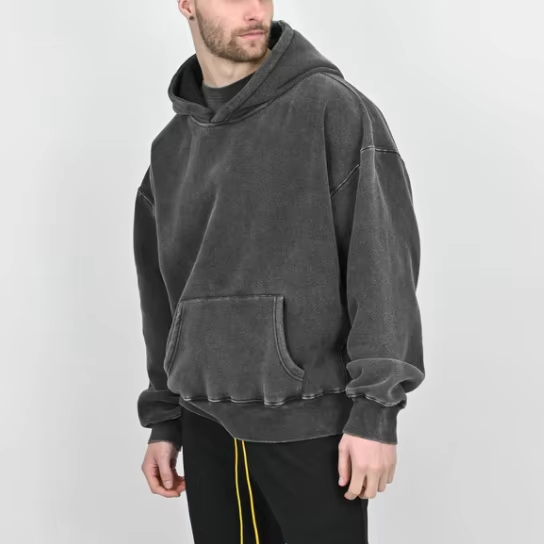
The pullover hoodie is the classic hoodie style. It has no front zipper, so you pull it over your head when wearing it. Most styles also come with a kangaroo pocket, giving it a relaxed and familiar look.
Main features:
- No front zipper
- Usually has a kangaroo pocket
- Easy, casual, and timeless
- Works well with prints, embroidery, or logo designs
Best for:
Everyday wear, streetwear, casual outfits, and simple layered looks.
Fabric and fit:
Pullover hoodies can be regular, relaxed, or oversized. Fleece gives a warmer feel, while French terry feels lighter and more breathable.
Zip-Up Hoodie
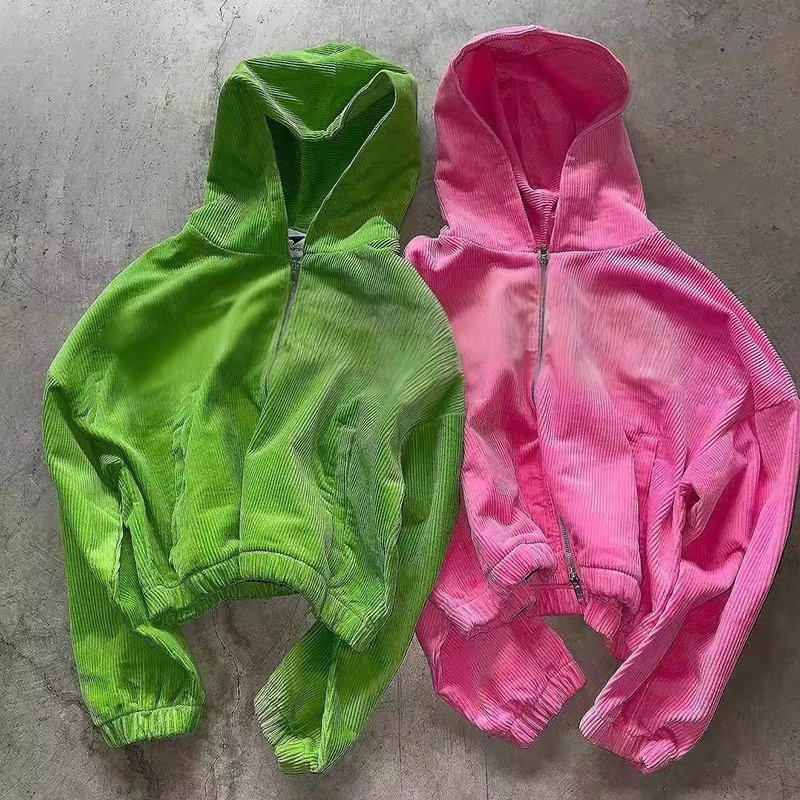
The zip-up hoodie features a full-length zipper down the front. Compared with a pullover hoodie, it is easier to put on and take off, and it can be worn open or closed depending on the weather or outfit.
Main features:
- Full front zipper
- Easy to layer
- More flexible than a pullover hoodie
- Usually has side pockets or split front pockets
Best for:
Layering, casual jackets, gym outfits, travel wear, and transitional weather.
Half-Zip or 1/4 Zip Hoodie
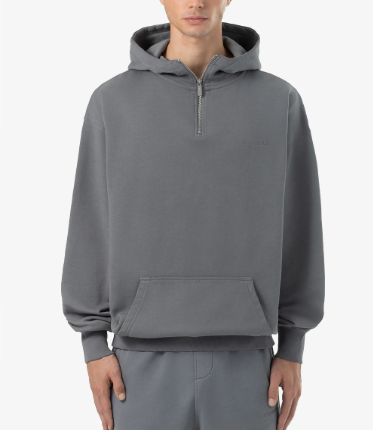
The half-zip hoodie has a short zipper that usually stops around the chest. It keeps the easy feel of a pullover hoodie but adds a more polished neckline and extra styling detail.
Main features:
- Short zipper at the neckline
- Cleaner than a full-zip hoodie
- Easy to adjust around the neck
- Slightly more refined than a basic pullover
Best for:
Athleisure, smart casual outfits, travel looks, and clean everyday styling.
Fabric:
French terry and double-knit fabrics work well for a smooth, polished look, while fleece gives the style a warmer and more casual feel.
By Fit and Silhouette
After structure, fit is the next major factor. Fit affects not only comfort but also the overall style direction of the hoodie.
Oversized Hoodie
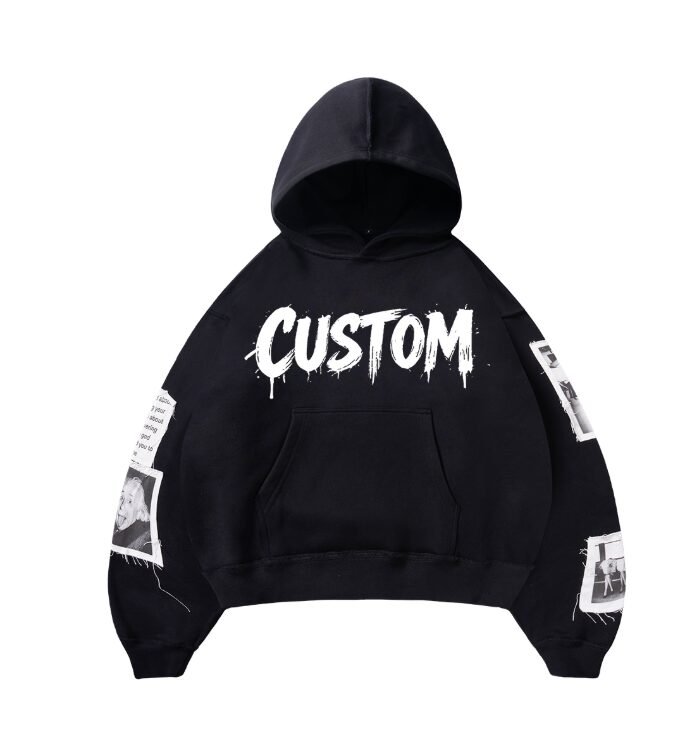
The oversized hoodie has a loose body, dropped shoulders, and a relaxed silhouette. It creates a strong streetwear look and feels comfortable without looking too fitted.
Main features:
- Loose and relaxed fit
- Dropped shoulders
- Wider body and longer sleeves
- Strong streetwear feel
Best for:
Streetwear outfits, casual daily wear, unisex styling, and relaxed layered looks.
Fabric:
Medium to heavyweight fleece works best because it gives the hoodie enough structure. If the fabric is too thin, the oversized shape may look too loose or shapeless.
Slim-Fit Hoodie
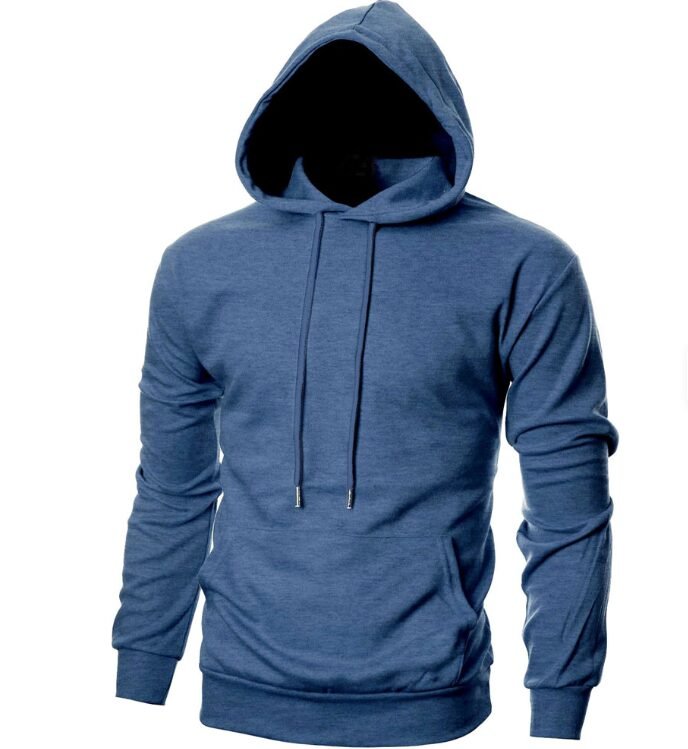
The slim-fit hoodie sits closer to the body and creates a cleaner, more athletic shape. It looks less relaxed than an oversized hoodie and works better for a neat, sporty style.
Main features:
- Closer body fit
- Cleaner silhouette
- Less bulky than relaxed styles
- Easy to wear under jackets or coats
Best for:
Gym outfits, athleisure, clean casual looks, and lightweight layering.
Fabric:
Lightweight cotton blends, jersey, or stretch fabrics work better for slim-fit hoodies because they allow easier movement and feel less restrictive.
Boxy Hoodie
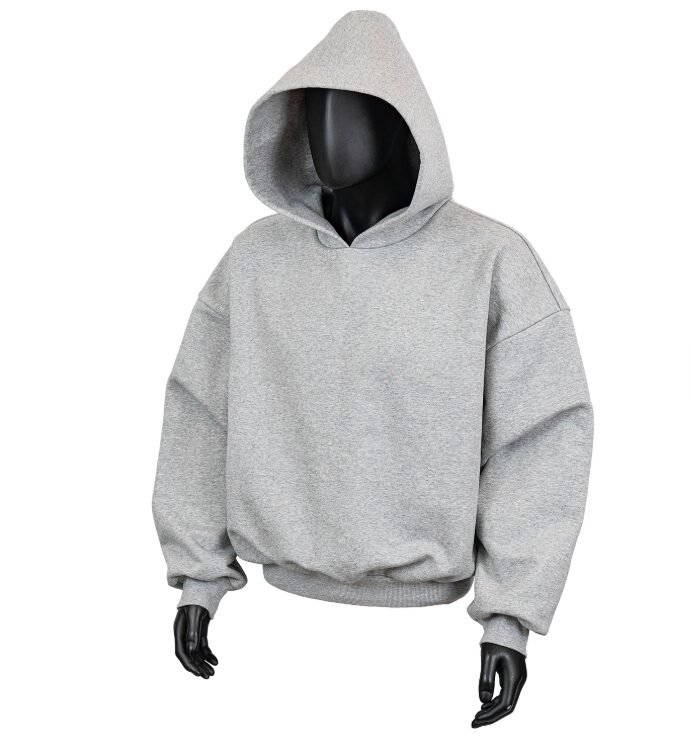
The boxy hoodie has a wider body and a slightly shorter length. Instead of looking long and oversized, it creates a more structured and modern shape.
Main features:
- Wide body shape
- Slightly shorter length
- Relaxed but structured look
- Often paired with wide-leg pants or cargo pants
Best for:
Modern streetwear, relaxed menswear outfits, and fashion-forward casual looks.
Fabric:
Medium to heavyweight cotton fleece or French terry works well because the fabric helps the boxy shape hold its structure.
Sleeveless Hoodie
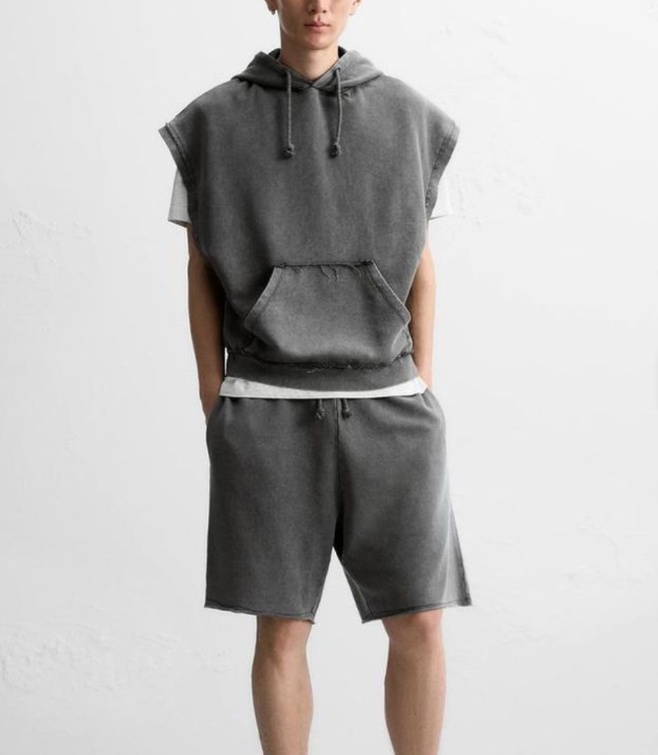
The sleeveless hoodie keeps the hooded design but removes the sleeves. It gives more freedom around the arms and has a sporty, gym-ready look.
Main features:
- No sleeves
- Hooded neckline
- More arm movement
- Sporty and casual appearance
Best for:
Gym wear, training outfits, summer activewear, and athletic streetwear.
Fabric:
Cotton jersey, lightweight French terry, or performance fabrics work well because they feel comfortable and allow easier movement during workouts.
By Fabric and Function
Fabric changes the way a hoodie feels, performs, and holds its shape. Even if two hoodies share the same pattern, different fabrics can create completely different results.
Fleece Hoodie
A fleece hoodie is known for its soft, warm, and cozy feel. The inside usually has a brushed texture, which helps trap warmth and makes it a popular choice for cooler weather.
Main features:
- Soft brushed interior
- Warm and comfortable
- Thick and structured fabric
- Holds its shape well
Best for:
Fall and winter outfits, cozy daily wear, streetwear looks, and cold-weather layering.
Fabric:
Cotton fleece feels soft and natural, while cotton-poly fleece offers better durability and shape stability. Heavier fleece gives the hoodie more structure, making it a good choice for oversized or heavyweight styles.
French Terry Hoodie
A French terry hoodie feels lighter and more breathable than a fleece hoodie. Instead of a brushed inside, French terry has small loops on the inner surface, giving it a soft but less bulky feel.
Main features:
- Looped texture on the inside
- Lighter and more breathable than fleece
- Comfortable without feeling too warm
- Works well for year-round casualwear
Best for:
Spring outfits, daily casualwear, travel looks, light layering, and relaxed athleisure styles.
Fabric:
French terry is usually made from cotton or cotton blends. It feels breathable and comfortable, making it a better choice for mild weather or people who want a hoodie that is not too heavy.
Performance Hoodie
The performance hoodie is designed for movement and activity. It usually uses Spandex-blend fabric that help with breathability, quick drying, and comfort during workouts.
Main features:
- Stretch-friendly fabric
- Breathable and quick-dry
- Lightweight feel
- Often has a cleaner athletic fit
Best for:
Running, training, hiking, gym wear, and outdoor layering.
Fabric:
Polyester, nylon, spandex blends, or technical knit fabrics work best because they offer better stretch, moisture control, and movement.
By Design and Surface Treatment
Besides structure, fit, and fabric, design details also create different hoodie styles.
Graphic Hoodie
The graphic hoodie uses artwork, logos, slogans, or printed designs as the main visual focus. It is one of the most popular hoodie styles in streetwear and casual fashion.
Main features:
- Printed or embroidered artwork
- Strong visual identity
- Can use front, back, or sleeve designs
- Works well with bold colors and creative placements
Best for:
Streetwear, casual outfits, seasonal drops, and statement looks.
Fabric:
Cotton fleece, cotton-poly fleece, and French terry all work well. Smooth fabric surfaces are usually better for clean prints, while heavier fabrics work better with embroidery or puff print.
Washed Hoodie
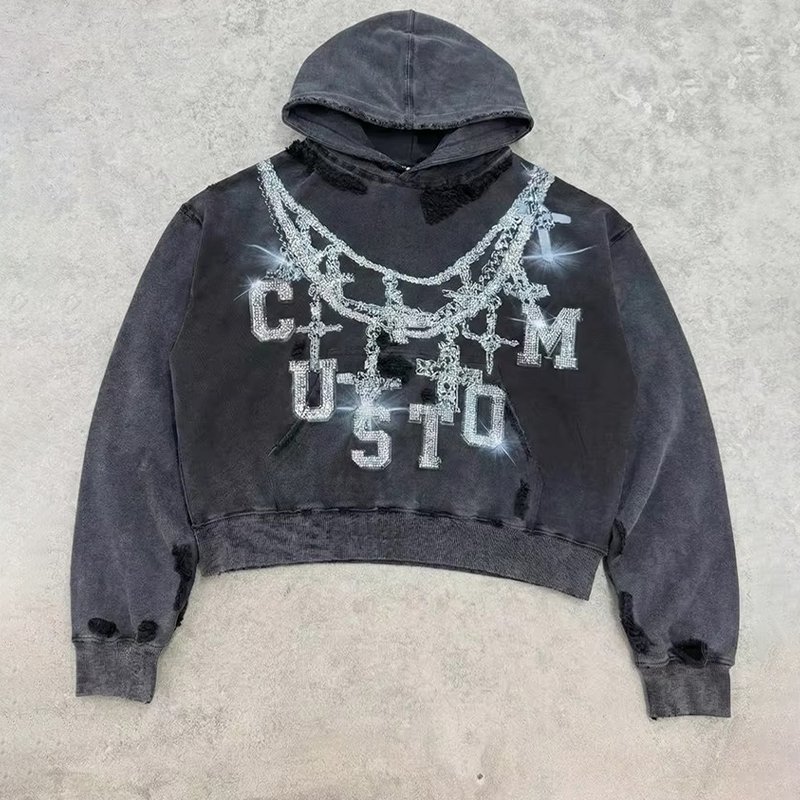
The washed hoodie has a faded, vintage, or worn-in look created through washing or dyeing techniques. Common styles include acid wash, snow wash, pigment dye, and vintage wash.
Main features:
- Vintage or faded appearance
- Each piece may look slightly different
- Soft, worn-in feel
- Strong streetwear and casual appeal
Best for:
Vintage-inspired outfits, streetwear, relaxed daily wear, and statement casual looks.
Fabric:
Cotton-rich fleece or French terry works well for washed hoodies because natural fibers usually absorb color and wash effects more evenly.
How to Choose the Right Hoodie Type?
With so many hoodie types available, the best choice depends on your customer, season, price point, and design direction.
Consider Your Target Market
Start with the customer. Streetwear customers usually prefer oversized, heavyweight, graphic, or washed hoodies. These styles create stronger visual impact and give more room for artwork.
- For sportswear or gym wear, performance hoodies, sleeveless hoodies, and zip-up hoodies often make more sense. They offer better movement and layering options.
- For premium basics, French terry hoodies, heavyweight pullovers, and minimalist designs work well because they focus more on fabric, fit, and finishing.
Match the Fabric to the Season
Next, think about when customers will wear the hoodie. Fall and winter collections usually need fleece, heavyweight cotton blends, or brushed fabrics. These materials feel warmer and more substantial.
- For spring and summer, lightweight French terry, jersey, or breathable cotton blends work better. They provide coverage without making the hoodie feel too heavy.
- For year-round collections, medium-weight cotton-poly blends often offer a good balance of comfort, durability, and production stability.
Choose the Right Fit
Fit should match both the style and the market.
- Regular fit works well for everyday basics.
- Oversized and boxy fits suit fashion-led or streetwear collections.
- Slim fit works better for athletic and performance styles.
Also, keep fabric weight in mind. A heavyweight oversized hoodie can look structured and premium, while the same oversized pattern in thin fabric may look weak or shapeless.
Plan the Decoration Method Early
Decoration affects both design and production. Pullover hoodies work well for large front prints because the front panel has no zipper. Zip-up hoodies need more careful artwork placement because the zipper divides the front.
Heavyweight hoodies often pair well with embroidery, puff print, appliqué, and washed finishes. Performance hoodies usually work better with heat transfer logos, reflective prints, or small branding details..
Conclusion
Choosing the right hoodie involves more than just selecting a color or style. Fit, fabric, weight, and small design details all shape how the hoodie looks and feels.
Planning a custom hoodie project? Contact us to discuss your ideas and turn them into finished garments.
FAQ
Pullover hoodies are usually the most common because they are simple, comfortable, and easy to customize. Zip-up hoodies are also popular because they work well for layering.
A hoodie has an attached hood, while a sweatshirt usually does not. Both can use similar fabrics, such as fleece, French terry, cotton, or cotton-poly blends.
Fleece works best for warmth, French terry feels lighter and more breathable, and cotton-poly blends offer a good balance of comfort, durability, and production stability. The best fabric depends on the season, style, and target market.
Oversized hoodies, heavyweight hoodies, graphic hoodies, washed hoodies, and boxy hoodies are strong choices for streetwear. These styles create a bold silhouette and leave enough space for prints, embroidery, or wash effects.