
Streetwear looks effortless, but the fabric behind each piece matters more than many people think. A heavyweight cotton jersey can make a T-shirt feel structured and premium, while French terry gives hoodies and joggers a cleaner, more relaxed feel.
For clothing brands, understanding fabric is not just about choosing what feels good. A well-chosen fabric can make a simple design feel more refined, while the wrong one can make even a strong design difficult to wear or produce consistently.
Below are 10 common fabrics used in streetwear, along with their main features and typical applications.
Quick Comparison
| Fabric | Best Used For | Main Advantage |
|---|---|---|
| Cotton Jersey | T-shirts, long sleeves, oversized tees | Breathable, comfortable, and easy to print |
| French Terry | Hoodies, sweatpants, shorts | Balanced comfort, breathability, and structure |
| Brushed Fleece | Hoodies, sweatshirts, joggers | Warmer option for autumn/winter collections |
| Rib Knit | Cuffs, collars, hems, fitted tops | Provides stretch and helps garments keep shape |
| Corduroy | Jackets, pants, overshirts | Adds texture and a vintage streetwear feel |
| Denim | Jackets, jeans, overshirts | Durable with strong streetwear appeal |
| Twill | Cargo pants, workwear jackets, trousers | Structured and suitable for utility styles |
| Canvas | Utility vests, jackets, bags | Rugged and durable for workwear-inspired designs |
| Nylon / Taslan | Windbreakers, track pants, lightweight jackets | Lightweight and suitable for technical streetwear |
| Mesh | Jerseys, basketball shorts, panels | Breathable and ideal for sporty streetwear |
Each fabric has its own role in streetwear design. Some are better for soft everyday basics, while others offer more structure, warmth, durability, or function.
1. Cotton Jersey
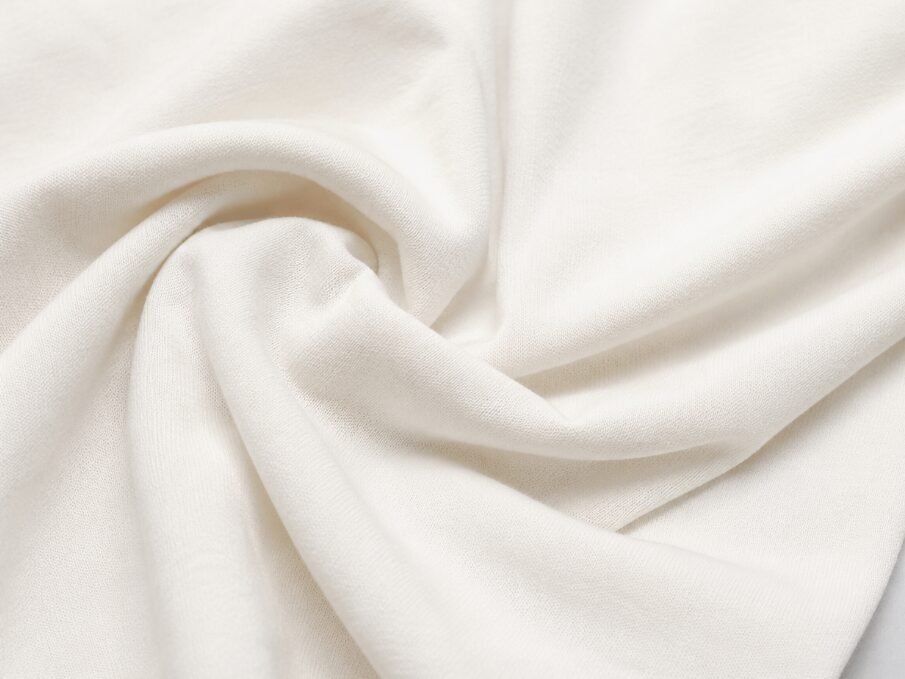
Cotton jersey is one of the most widely used knitted fabrics in streetwear. It has a soft surface, natural breathability, and enough flexibility for everyday wear.
For a more premium streetwear look, many brands choose heavyweight cotton jersey. Compared with standard jersey, it gives T-shirts more structure and helps oversized silhouettes hold their shape better.
Common uses:
- Graphic T-shirts
- Oversized tees
- Long-sleeve tops
- Boxy fit T-shirts
- Basic streetwear tops
Best for: printed T-shirts, casual basics, and premium oversized silhouettes.
2. French Terry
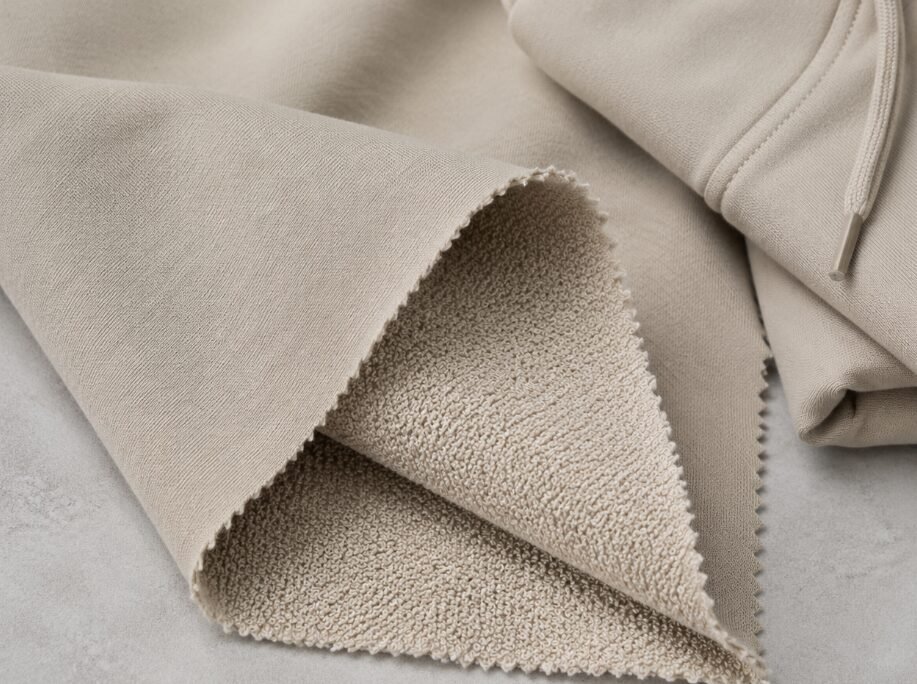
French terry is a knitted fabric with a smooth outer surface and small loops on the inside. It offers a good balance of comfort, breathability, and structure, making it one of the most practical fabrics for casual streetwear.
Compared with brushed fleece, French terry feels lighter and less warm because the inner side is not heavily brushed. This makes it suitable for year-round collections, especially spring, autumn, and transitional seasons.
Common uses:
- Hoodies
- Crewneck sweatshirts
- Sweatpants
- Joggers
- Shorts
- Matching sets
Best for: comfortable streetwear pieces that need a clean shape without feeling too heavy.
3. Brushed Fleece
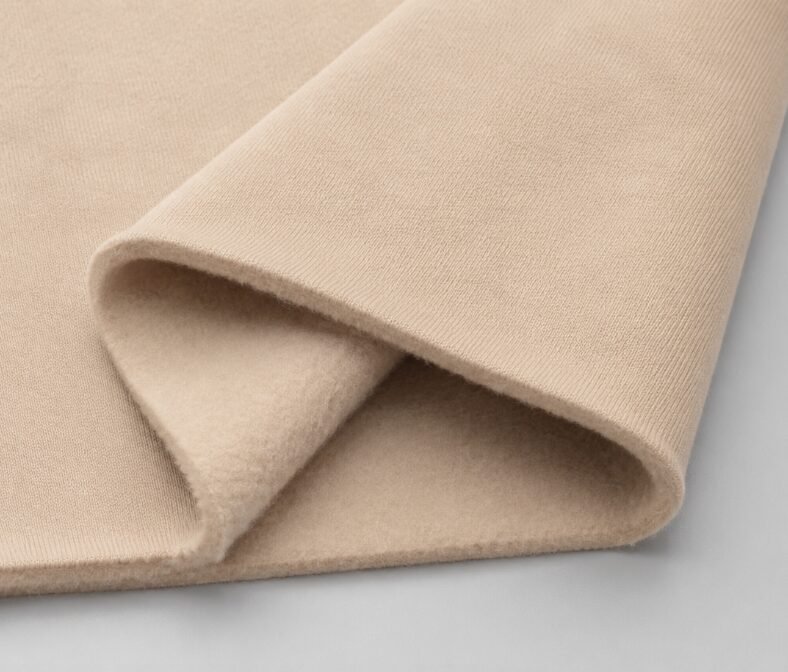
Brushed fleece is known for its soft inner surface. It is commonly made from cotton, polyester, or cotton-poly blends. The inside of the fabric is brushed to create a warmer, more insulating texture, which makes it especially suitable for colder seasons.
Compared with French terry, brushed fleece feels cozier and heavier. It is often selected when warmth and softness are more important than breathability.
Common uses:
- Winter hoodies
- Sweatshirts
- Joggers
- Tracksuits
- Pullover sets
Best for: autumn/winter collections or brands focusing on comfort-driven streetwear.
4. Rib Knit
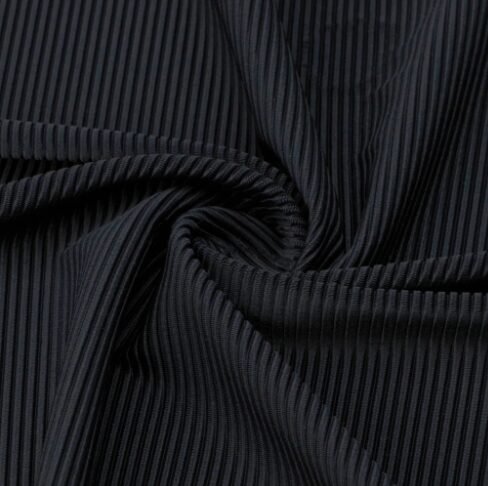
Rib knit is commonly used as a supporting fabric in streetwear garments. You often see it on cuffs, collars, waistbands, and necklines. It has good stretch and recovery, helping garments keep their shape after wear.
In some collections, rib knit is also used as the main fabric for fitted tops, tank tops, crop tops, and casual basics.
Common uses:
- Hoodie cuffs and hems
- Sweatshirt collars
- Waistbands
- Tank tops
- Fitted tops
- Layering pieces
Best for: improving fit, comfort, and garment structure.
5. Corduroy
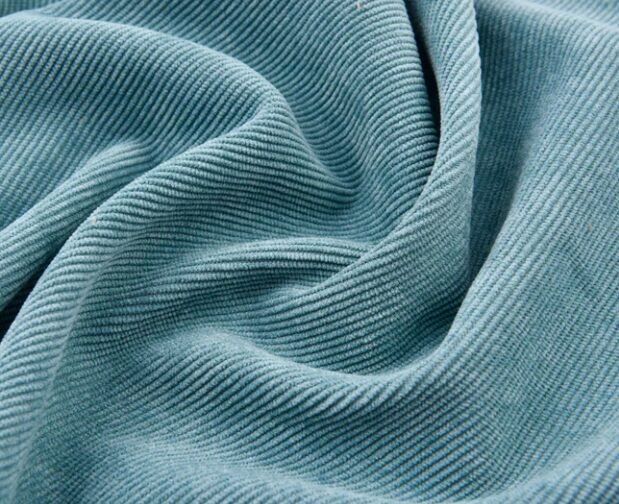
Corduroy is a textured woven fabric known for its raised vertical ribs. In streetwear, it is often used when brands want a vintage, retro, or workwear-inspired look.
It works especially well for autumn and winter collections. Wider wale corduroy creates a stronger retro effect, while fine wale corduroy looks cleaner and more refined.
Common uses:
- Corduroy jackets
- Overshirts
- Relaxed pants
- Workwear-style trousers
- Caps and accessorie
Best for: retro streetwear, textured autumn/winter pieces, and workwear-inspired collections.
6. Denim
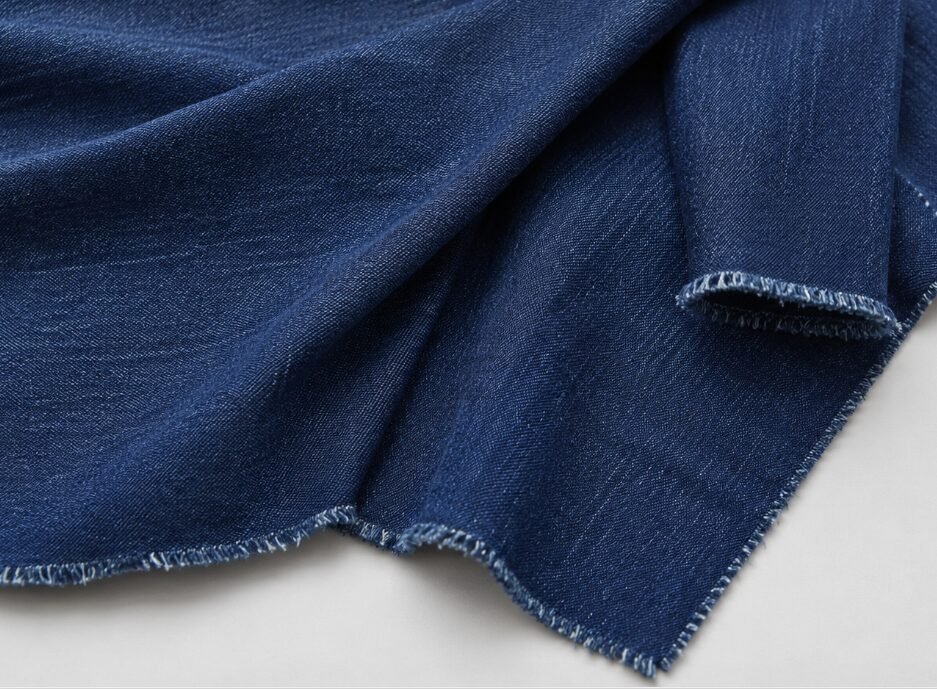
Denim has a strong connection with streetwear, workwear, and youth culture. It is durable, versatile, and easy to develop into different washes, including vintage wash, acid wash, stone wash, and distressed effects.
The fabric can look clean and minimal or rugged and vintage, depending on the wash and finishing.
Common uses:
- Denim jackets
- Jeans
- Cargo pants
- Overshirts
- Skirts
Best for: brands that want durable, vintage-inspired, or workwear-style streetwear
7. Twill
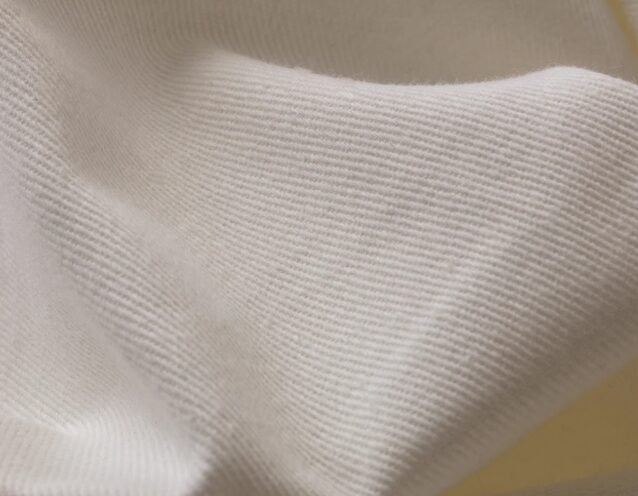
Twill is a woven fabric recognized by its diagonal texture. It is stronger and more structured than many knitted fabrics, making it useful for streetwear styles that need shape and durability.
In streetwear, twill often appears in utility-inspired designs. It gives garments a cleaner outline and works well for pieces with pockets, panels, seams, and hardware details.
Common uses:
- Cargo pants
- Workwear jackets
- Overshirts
- Utility vests
Best for: structured streetwear, utility styles, and workwear-inspired collections.
8. Canvas
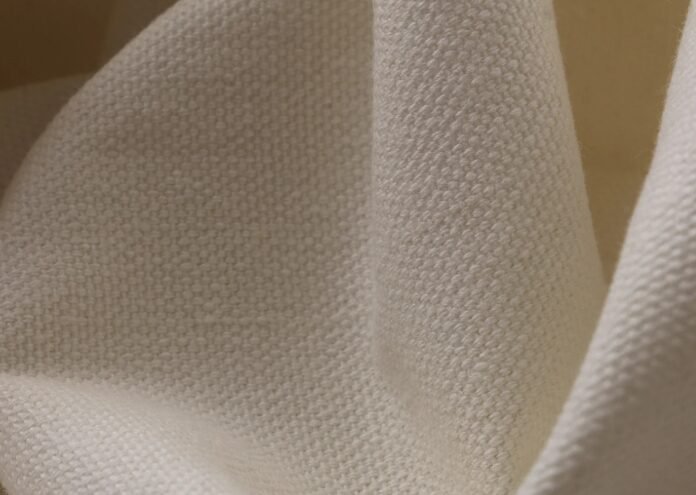
Canvas is heavier and more rugged than many standard woven fabrics. It is often used when a brand wants a durable, stiff, and structured look.
It can also be washed or garment-dyed to create a vintage or worn-in effect.
Common uses:
- Work jackets
- Utility vests
- Heavy pants
- Tote bags
Best for: durable workwear-inspired designs with a strong silhouette.
9. Nylon and Taslan
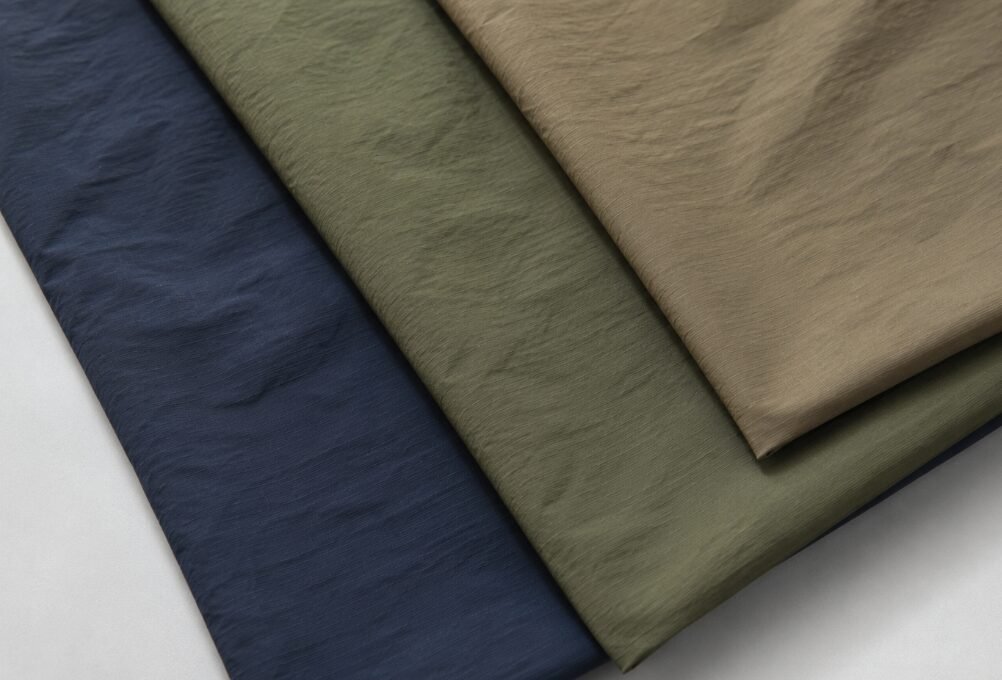
Nylon and taslan are commonly used in technical and outdoor-inspired streetwear. They are lightweight, durable, and often selected for styles that need a crisp, functional appearance.尼
Depending on the finishing, these fabrics can offer water resistance, quick-drying, or a slightly crinkled texture.
Common uses:
- Windbreakers
- Track pants
- Cargo shorts
- Utility jackets
- Lightweight outerwear
Best for: technical streetwear, outdoor-inspired styles, and lightweight performance pieces.
10. Mesh
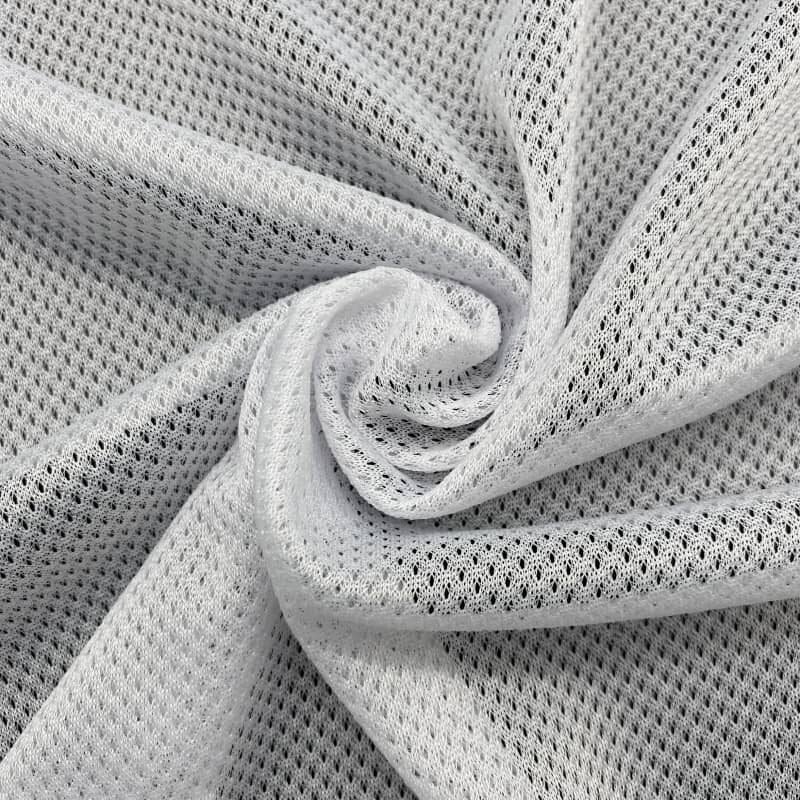
Mesh fabric is breathable, lightweight, and visually recognizable, often used in sportswear-inspired apparel.
It can also be used as a design detail rather than the main fabric. You can use mesh panels, contrast inserts, or lining to add texture and ventilation.
Common uses:
- Basketball shorts
- Sports jerseys
- Layered tops
- Panel details
- Breathable lining
Best for: sporty streetwear, summer collections, and athletic-inspired designs
How to Choose the Right Fabric for Streetwear?
Before choosing a fabric, you should first consider the product style, the season, and your target customers.
If you want to develop a loose-fitting streetwear t-shirt suitable for summer wear with large-area prints, your primary choice should be a breathable, comfortable, and supportive heavyweight cotton jercey fabric.
In actual production, you should also refer to these:
- GSM: affects thickness, weight, and structure
- Shrinkage: especially important for cotton-based fabrics
- Print compatibility: different fabrics perform differently with screen printing, embroidery, heat transfer, and washing
- Production cost: heavier fabrics, special washes, and functional finishes may increase cost
The best fabric is not always the heaviest or most expensive option. It should match the garment’s design, target customer, price point, and production requirements.
Conclusion结论
A strong streetwear collection starts with fabric decisions .The right material can make a simple design feel more refined, while the wrong one can affect comfort, shape, and production consistency. That is why fabric selection should be planned early in the development process, not treated as a last-minute decision.
Need help developing your next streetwear collection? As a streetwear manufacturer, we support fabric selection, sampling, and custom production for your brand.