
In the world of apparel, few materials have achieved the “essential” status of fleece. From high-performance alpine gear to the oversized hoodies defining modern streetwear, fleece is the undisputed champion of cozy utility.
But for a clothing brand, “fleece” isn’t just a vibe—it’s a technical category with variables that can make or break your production budget and your customers’ comfort. If you’re looking to add this staple to your collection, here is everything you need to know.
What Is Fleece Fabric?
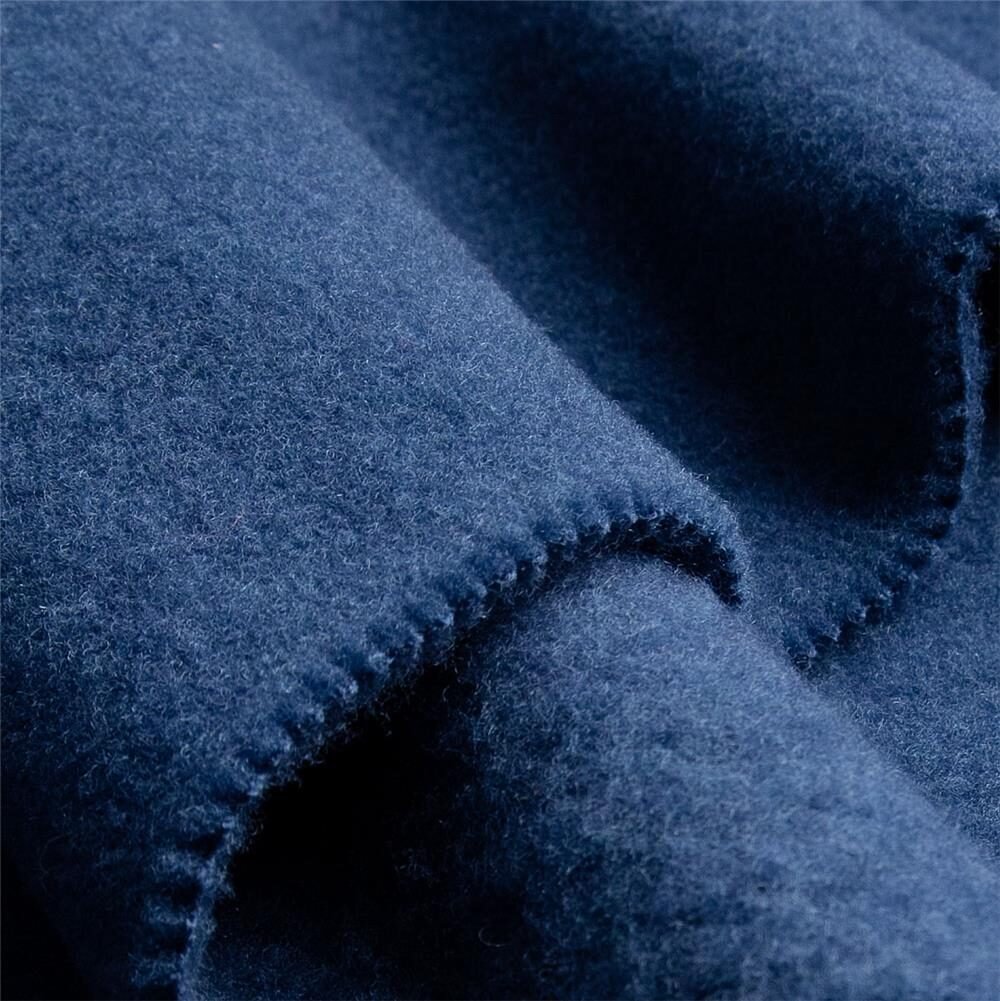
Fleece fabric is a soft, insulating fabric with a brushed or raised surface. It is usually made from polyester, cotton, cotton-polyester blends, or recycled polyester fibers.
The “magic” of fleece lies in its structure. By brushing the fabric fibers, manufacturers create air pockets that trap body heat, providing incredible warmth without the crushing weight of wool. It was originally developed in the late 1970s by Malden Mills (now Polartec) as a lightweight, vegan alternative to traditional heavy sweaters.
How Is Fleece Fabric Made?
The production process of fleece fabric usually starts with yarn selection, followed by knitting, brushing, and finishing. Each step affects the final fabric quality.
Yarn Selection
The fiber content determines the fabric’s softness, warmth, durability, shrinkage, and price.
Common fleece compositions include:
- 100% polyester fleece
- Cotton-polyester fleece
- 100% cotton fleece
- Recycled polyester fleece
Polyester fleece is widely used because it is lightweight, warm, quick-drying, and cost-effective. Cotton-blend fleece is popular for hoodies and sweatshirts because it gives a more natural hand feel and better everyday comfort.
Knitting
Most fleece fabric is made on circular knitting machines. The fabric structure can be adjusted depending on the target garment type, desired weight, stretch, and surface finish.
Brushing
Brushing is the most important step in fleece production. During this process, the fabric surface is mechanically brushed to raise the fibers and create a soft, fluffy texture.
For hoodies and sweatshirts, the inside is often brushed to provide warmth and softness against the skin, while the outside remains smoother for printing, embroidery, or washing effects.
Finishing
After brushing, the fabric may go through several finishing processes, such as:
- Anti-pilling treatment
- Pre-shrinking
- Softening
- Shearing
- Dyeing
- Washing
- Color fastness improvement
- Shrinkage control
These finishing steps are important because they determine how the fleece garment performs after washing and long-term wear.
Main Types of Fleece Fabric
There are many types of fleece fabric, and each one has different characteristics.
| Type of Fleece | Main Features | Best For |
|---|---|---|
| Polar fleece | Soft, warm, synthetic, lightweight insulation | Jackets, pullovers, outdoor casualwear |
| Microfleece | Thin, lightweight, breathable | Light jackets, layering pieces |
| Sherpa fleece | Thick, curly, wool-like texture | Winter jackets, linings, cozy streetwear |
| Sweatshirt fleece | Smooth face, brushed inside | Hoodies, sweatshirts, joggers |
| Cotton fleece | Natural feel, soft, breathable | Premium hoodies, garment-washed styles优 |
| Polyester fleece | Durable, warm, quick-drying | Outdoor layers, budget-friendly warm apparel |
| Recycled fleece | Made from recycled polyester fibers | Sustainable apparel collections |
| Bonded fleece | Fleece laminated with another fabric layer | Structured jackets, technical streetwear |
Polar Fleece
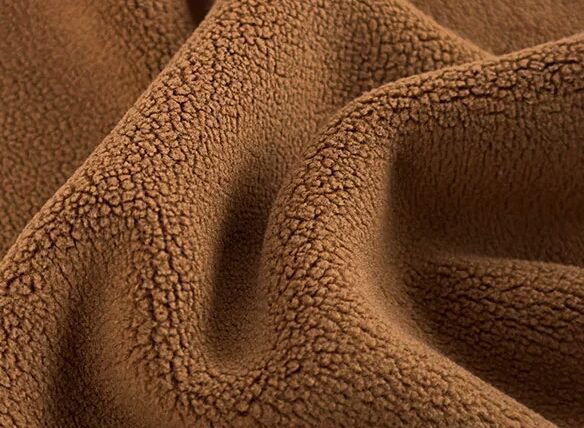
Polar fleece is usually made from polyester and has a soft pile surface. It is warm, lightweight, and quick-drying, making it suitable for fleece jackets, pullovers, and outdoor-inspired casualwear.。
However, polar fleece is not always the best choice for graphic-heavy hoodies because its fluffy surface may affect print clarity.
Sherpa Fleece
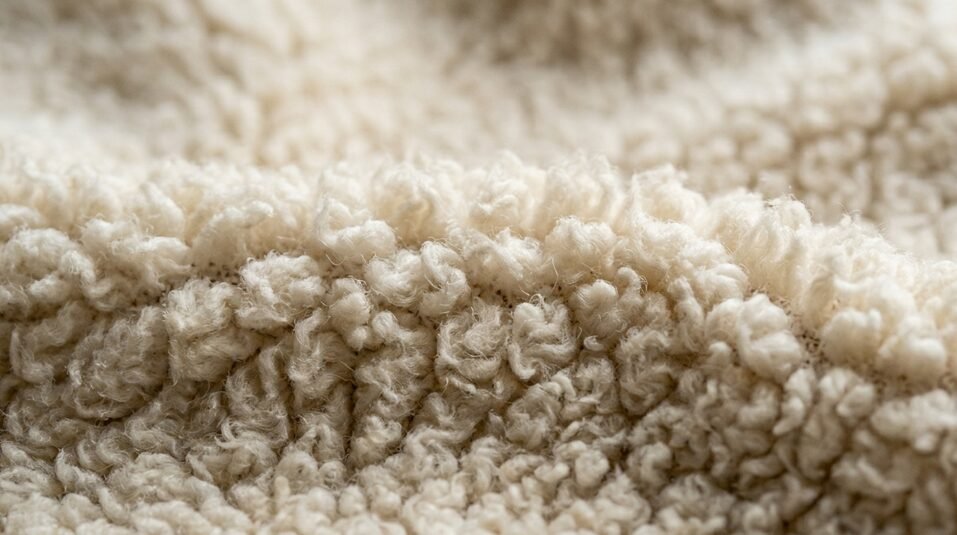
Sherpa fleece has a thick, curly surface that looks similar to wool or lamb fleece. It is popular for winter jackets, lined hoodies, collar details, and cozy outerwear.
Sweatshirt Fleece
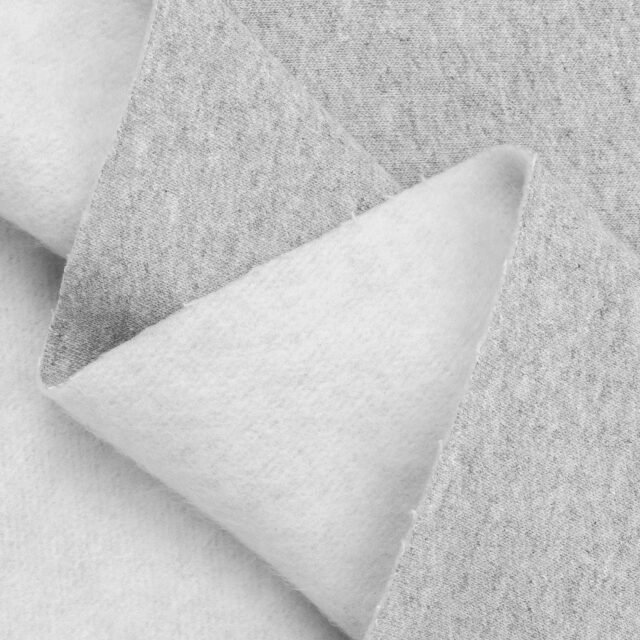
Sweatshirt fleece is one of the most common fleece fabrics for hoodies, crewnecks, joggers, and sweatpants. It usually has a smooth outer surface and a soft brushed inner side.
This is one of the best options for streetwear brands because it supports printing, embroidery, puff print, patches, appliqué, and washed effects.
Cotton Fleece
Cotton fleece contains a high percentage of cotton or is made from 100% cotton. It has a natural, breathable, premium hand feel.
It is often used for premium hoodies, garment-dyed sweatshirts, vintage-style streetwear, and minimalist casual collections. The main concern is shrinkage, so pre-shrinking and fabric testing are important.
Polyester Fleece
Polyester fleece is durable, warm, quick-drying, and cost-efficient. It is often used for polar fleece jackets, outdoor layers, promotional garments, and sports casualwear.
Its limitation is that it may feel less natural than cotton-rich fleece and can generate static electricity.
Recycled Fleece
Recycled fleece is usually made from recycled polyester fibers. It is suitable for brands that want a more sustainable material option for fleece jackets, casualwear, or eco-conscious streetwear collections.
What GSM Should Brands Choose?
Fabric weight is one of the most important factors when choosing fleece fabric. It affects warmth, drape, structure, sewing difficulty, shipping cost, and retail positioning.
Fleece fabric weight is usually measured in GSM, which means grams per square meter.
- For streetwear hoodies, many brands prefer 320–450 GSM fleece because it provides a stronger silhouette and a more premium hand feel.
- For lightweight sweatshirts or transitional pieces, 240–300 GSM fleece may be more practical. It is easier to wear across seasons and usually has a lower material cost.
- For fleece jackets, the ideal GSM depends on the fabric type. Microfleece may be light, while sherpa fleece or bonded fleece can be much thicker and heavier.
Heavier fleece is not always better. If the fabric is too thick, the garment may become stiff, expensive to ship, difficult to sew, or uncomfortable in warmer markets. Brands should choose weight based on the final product purpose, not just the idea of “premium thickness.
Advantages and Limitations of Fleece Fabric
Fleece fabric offers many benefits, but clothing brands should also understand its limitations before using it in production.
Advantages of Fleece Fabric
- Soft and comfortable:The brushed surface gives fleece its soft hand feel, making it ideal for garments that customers wear often.
- Warm without excessive weight:Fleece traps warm air between raised fibers, providing insulation without the heavy feel of some traditional winter fabrics.
- Suitable for many styles:Fleece can be used for minimalist basics, oversized streetwear, outdoor-inspired jackets, loungewear sets, and premium winter capsules.
- Custom details:Smooth-face fleece works well with printing, embroidery, appliqué, chenille patches, labels, and washing effects.
Limitations of Fleece Fabric
- Pilling risk:Low-quality fleece may pill after repeated wear or washing.
- Shrinkage risk:Cotton-rich fleece may shrink if it is not properly pre-shrunk or tested.
- Static electricity:Polyester fleece may create static, especially in dry climates. It may also attract lint or dust more easily.
- Environmentally Unfriendly: Ordinary fleece is typically made from polyester fibers; consequently, it is non-biodegradable and releases large quantities of microfibers
How to Choose the Right Fleece Fabric ?

Choosing the right fleece fabric depends on the final garment, target customer, season, price point, and design details.
Start with the Garment Type
A hoodie, jogger, fleece jacket, and sherpa coat should not use the same fleece. Each product has different requirements for warmth, structure, stretch, and decoration.
Choose the Right Weight
For premium streetwear hoodies, heavyweight fleece is often preferred. For lightweight layering pieces, microfleece or midweight fleece may be more suitable.
Consider the Fiber Composition
- Cotton-rich fleece gives a more natural hand feel and premium appearance.
- Polyester fleece offers better warmth-to-weight performance, faster drying, and lower shrinkage.
- Cotton-polyester blends provide a balanced option for many hoodie and sweatshirt programs.
Match the Fabric to the Decoration Method
If your design includes detailed graphics, choose a smooth-face fleece.
If your design focuses on texture, sherpa fleece, polar fleece, or bonded fleece may be more suitable.
Think About the Target Market
For premium streetwear, customers may expect heavier fabric, better structure, and a softer hand feel.
For promotional apparel or budget casualwear, cost efficiency and durability may be more important.
Check Sustainability Requirements
If your brand focuses on sustainability, consider recycled polyester fleece, organic cotton fleece, certified dyes, or OEKO-TEX® certified fabric options.
Test Before Bulk Production
Before placing a bulk order, brands should test:
- Shrinkage
- Pilling
- Color fastness
- Print result
- Embroidery result
- Washing performance
- Fit after wash
- Fabric hand feel after repeated use
The best fleece fabric is not just the one that looks good in a swatch. It should perform well after cutting, sewing, decorating, washing, and wearing.
FAQ About Fleece Fabric
Fleece fabric is usually made from polyester, cotton, cotton-polyester blends, recycled polyester, or cotton-rich yarns.
Not always. Fleece and cotton serve different purposes. Polyester fleece is usually warmer, lighter, quicker-drying, and more resistant to shrinkage than regular cotton fabric. Cotton, however, feels more natural, breathable, and comfortable against the skin.
Cotton fleece usually has a more natural, matte hand feel and absorbs moisture more easily. Polyester fleece often feels smoother or slightly synthetic, dries faster, and may create more static.
Fleece usually has a brushed inner surface that feels soft, warm, and fluffy. French terry has a looped back, which makes it lighter, more breathable, and less insulating.
Conclusion结论
Fleece fabric gives clothing brands a strong balance of comfort, warmth, structure, and customization potential. From heavyweight hoodies to fleece jackets and winter streetwear sets, the right fleece can help improve both product quality and customer appeal.
Planning a custom fleece apparel collection? Contact us to discuss fabric options, sample development, custom details, and bulk production for your brand.