
In contemporary fashion, the streetwear hoodie is no longer just a casual layer. It has become an iconic staple, a canvas for self-expression, and a core product for many successful streetwear brands.
From oversized silhouettes seen on high-fashion runways to crisp heavyweight drops from underground labels, a great hoodie can say a lot about a brand’s identity.
So, what actually goes into creating a high-quality streetwear hoodie?
In this guide, we look at the full streetwear hoodie manufacturing process and explain how factories turn a design concept into a finished garment.
1. Fabric Selection
A premium streetwear hoodie starts with fabric. The hoodie should feel heavy, durable, structured, and comfortable at the same time.
Therefore, manufacturers usually begin the production process by choosing the right material.
The Material Composition
- 100% Cotton: 100% Cotton:Cotton remains a popular choice for premium streetwear. It gives the hoodie a structured drape, good breathability, and a substantial weight. In addition, it works well for DTG printing and detailed embroidery.
- Cotton-Polyester Blends:Cotton-polyester blends, such as 80/20 fabric, improve durability and help reduce shrinkage. Polyester also adds slight stretch and better wrinkle resistance. As a result, many manufacturers use this blend for fleece-lined hoodies.
Fabric Structure: Terry vs. Fleece
- French Terry: French terry has loops on the inside and a smooth surface on the outside. It feels breathable but still has enough weight for a premium hoodie. Because of this, it works well for multi-season streetwear drops.
- Brushed Fleece: The interior loops are mechanically brushed to create a soft, fuzzy nap. This traps heat, providing that ultra-cozy, thick, and insulating feel synonymous with winter streetwear.
GSM (Grams per Square Meter)
In streetwear, fabric weight matters. Standard retail hoodies often sit around 250–300 GSM. However, premium streetwear brands usually choose 350 GSM to 500+ GSM, especially for heavyweight or super-heavyweight styles.
This extra weight helps the hoodie create a boxy silhouette and hold its shape better. However, heavier fabric is not always the best choice. The right GSM depends on the target customer, the season, and the intended style.
2. Design, Tech Packs, and Pattern Making
Before a single piece of fabric is cut, the concept must be translated into technical blueprints. This is where a Tech Pack comes into play.
A tech pack is a comprehensive document that acts as the blueprint for your manufacturer. It includes:
- Detailed technical drawings
- A precise sizing chart
- Bill of Materials (BOM) specifying fabric, threads, labels, and hardware
- Placement instructions for prints or embroidery
Because streetwear hoodies depend heavily on proportion, the tech pack should do more than list basic measurements. It should also explain the intended fit, silhouette, fabric weight, hood shape, and finishing details.
Silhouette Design
The silhouette is one of the biggest differences between a basic hoodie and a streetwear hoodie. A basic hoodie usually follows a standard casual fit. A streetwear hoodie often uses stronger proportions to create a specific visual identity.
Pattern makers need to control several areas carefully:
- Shoulder width
- Body length
- Chest width
- Sleeve volume
- Armhole depth
- Hood size
- Hem rib tension
Common Streetwear Hoodie Silhouettes
Oversized Hoodie
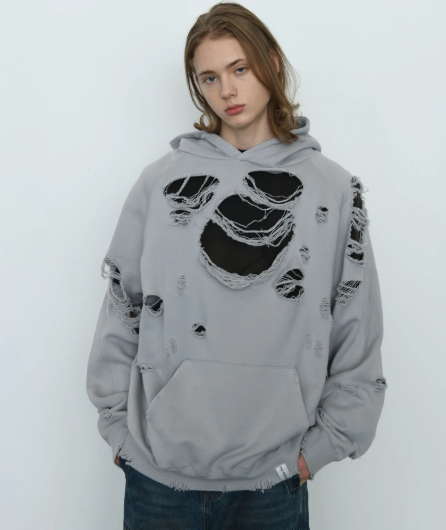
The oversized hoodie is one of the most common streetwear silhouettes. It usually has wider shoulders, a roomier chest, longer sleeves, and a relaxed body.
However, oversized does not mean simply making a regular hoodie larger. The pattern still needs balance. The hoodie should feel loose, but it should not look careless or shapeless.
Boxy Hoodie
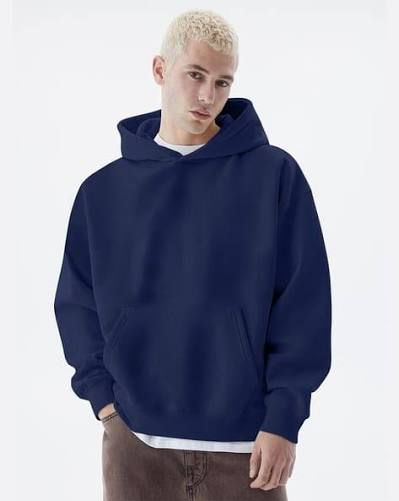
A boxy hoodie has a wider body and a shorter length. It creates a strong square shape, which is popular in modern streetwear.
This silhouette works well with heavyweight fleece because the fabric can hold the shape better. If the fabric is too soft or too light, the hoodie may collapse and lose the boxy look.
Dropped Shoulder Hoodie
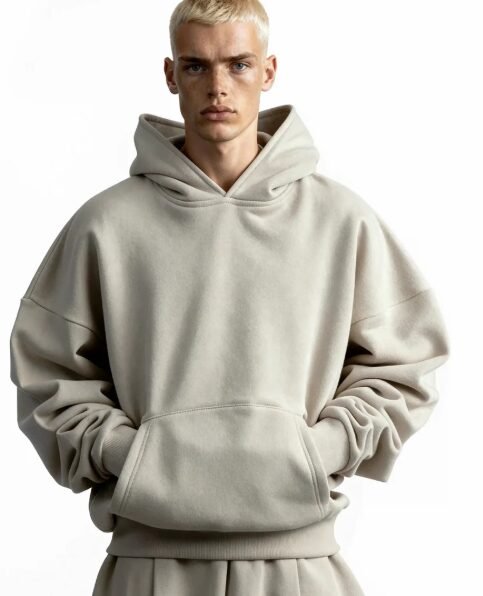
A dropped shoulder hoodie places the shoulder seam lower than the natural shoulder point. This creates a more relaxed and casual streetwear look.
This detail often appears in oversized and boxy hoodies. However, it still needs careful pattern control. The sleeve angle and armhole depth must match the dropped shoulder position, or the sleeve may twist after sewing.
Cropped Hoodie
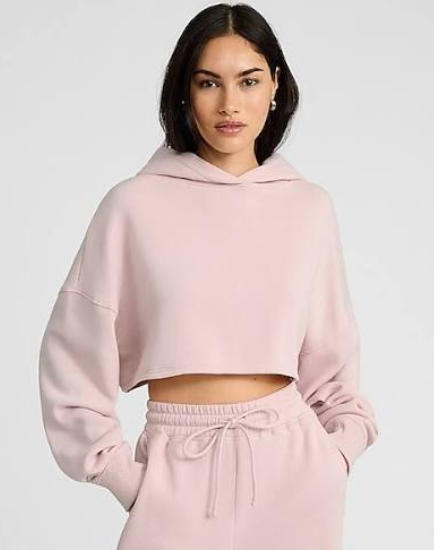
A cropped hoodie sits higher on the waist and creates a more fashion-forward shape. It is often used in women’s streetwear, athleisure, and Y2K-inspired collections.
The cropped shape needs accurate body proportion. The hoodie should look intentionally short, not like it shrank after washing.
Heavyweight Structured Hoodie
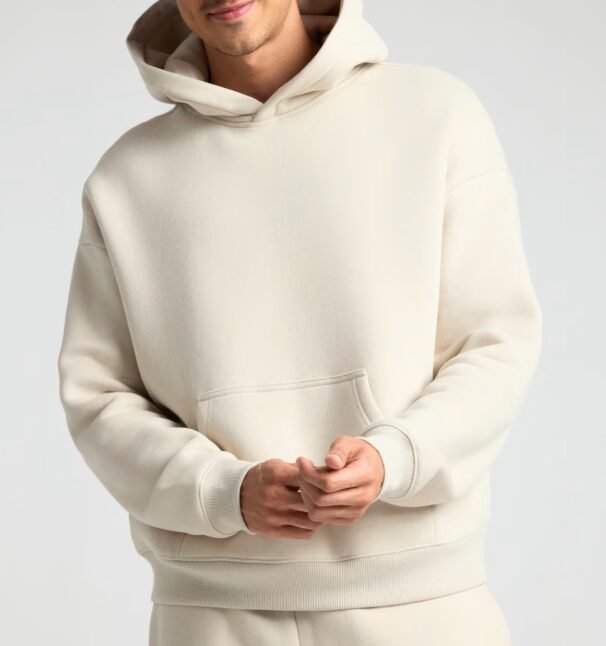
A heavyweight hoodie is usually made with thicker fleece or cotton-rich fabric. The goal is to create a premium hand feel and a stronger silhouette.
This type of hoodie often looks clean, solid, and more expensive. It is common in premium streetwear collections.
Zip-Up Hoodie

A zip-up hoodie needs a different pattern approach from a pullover hoodie. The front opening, zipper placement, and hood neckline must be aligned carefully.
If the zipper is not balanced, the front body may wave, twist, or pull to one side.
3. Cutting and Preparing the Fabric
Once the patterns are finalized and graded for different sizes, the bulk fabric moves to the cutting floor.
Large rolls of fabric are spread out in perfectly aligned layers across massive cutting tables. The pattern pieces are digitally arranged via a marker to minimize fabric waste (a crucial step for sustainable and cost-effective manufacturing).
Using precision equipment—ranging from heavy-duty rotary blades to advanced computerized laser cutters—the fabric is cut into individual panels: front, back, sleeves, hood pieces, pockets (usually kangaroo style), and ribbing for the cuffs and waistband.
4. Custom Printing & Embroidery
Unlike traditional apparel manufacturing where graphics are sometimes applied to finished garments, high-end streetwear manufacturing often prints or embroiders panels before they are sewn together. This allows for edge-to-edge printing, placements over seams, and perfectly flat embroidery without stretching the garment.
Depending on the brand’s aesthetic, several techniques are utilized:
- Screen Printing: Ideal for bold, vibrant graphics and large production runs. It can include specialty inks like puff print (for a raised texture) or reflective inks.
- Embroidery / Chenille Patches: Adds a luxury, tactile element to the hoodie. High-density embroidery gives a 3D effect that elevates the garment’s perceived value.
- Direct-to-Garment (DTG): Best for highly detailed, photographic designs with unlimited colors.
5. Construction and Sewing
With the panels decorated, the garment moves to the sewing assembly line. Constructing a heavy hoodie requires specialized industrial sewing machines and high-tensile threads to handle thick fabrics.
The assembly typically follows this sequence:
- The Hood: The panels of the hood are stitched together. In premium manufacturing, a double-layered hood is standard, meaning the inside is lined with the same heavy fabric as the outside, hiding all raw seams.
- Shoulders and Sleeves: The front and back panels are joined at the shoulders, often reinforced with twill tape to prevent stretching. The sleeves are then attached.
- The Kangaroo Pocket: The iconic front pocket is aligned and top-stitched onto the front panel.
- Side Seams: The garment is turned inside out, and the side seams are closed using an overlock (serger) stitch or flatlock stitching to ensure flat, irritation-free seams.
- Cuffs and Waistband: Heavyweight 1×1 or 2×2 ribbed fabric is stitched to the sleeves and bottom hem to provide tension and contrast texture.
6. Hardware and Finishing Touches
The final steps of manufacturing are what separate a generic hoodie from a luxury streetwear piece.
Drawcords & Aglets
If the design calls for drawcords, metal or embroidered eyelets are punched into the hood. Braided cotton drawcords are threaded through, finished with custom metal aglets (tips) engraved with the brand’s logo.
Labeling
Woven brand labels are stitched into the inner neck—often using a “flying stitch” or clean satin stitching. Care labels and size tags are sewn into the inner side seam.
Garment Dyeing / Washing (Optional)
Some brands opt for a vintage, lived-in aesthetic. In this case, the finished white hoodies are sent to a dye house for pigment dyeing, acid washing, or enzyme washing to soften the fabric and create unique tonal fades.
7. Quality Control, Pressing, and Packaging
Every single hoodie undergoes a rigorous Quality Assurance (QA) inspection before it leaves the factory floor.
- Measurement Checks: Ensuring the finished garment aligns with the tech pack’s tolerance levels.
- Defect Inspection: Checking for loose threads, skipped stitches, uneven printing, or fabric blemishes. Loose threads are manually trimmed.
- Ironing and Pressing: The hoodies are industrially steamed and pressed to eliminate wrinkles and crisp up the seams.
- Packaging: Finally, the hoodies are neatly folded, tags are attached (hangtags), and they are packed into individual protective polybags ready to be shipped to your warehouse.
Partnering with the Right Manufacturer
Manufacturing a standout streetwear hoodie requires a delicate balance of premium raw materials, specialized construction techniques, and an understanding of contemporary design trends.
At Joy-apparel, we specialize in bringing high-end streetwear concepts to life. From sourcing the heaviest French Terry to executing flawless puff prints and custom cut-and-sew silhouettes, we partner with brands to handle the complexities of supply chain management—leaving you free to focus on design and community building.