
French terry fabric is one of the most practical materials used in modern apparel development, especially for brands building casualwear, athleisure, loungewear, and lightweight streetwear collections. It offers a balanced combination of softness, breathability, moderate structure, and everyday comfort, making it a reliable choice for garments that need to feel premium without becoming too heavy or overly technical.
For clothing brands, French terry is not just a fabric category. Understanding how it works can help you choose the right fabric earlier in the sampling process and avoid costly revisions later.
What Is French Terry Fabric?
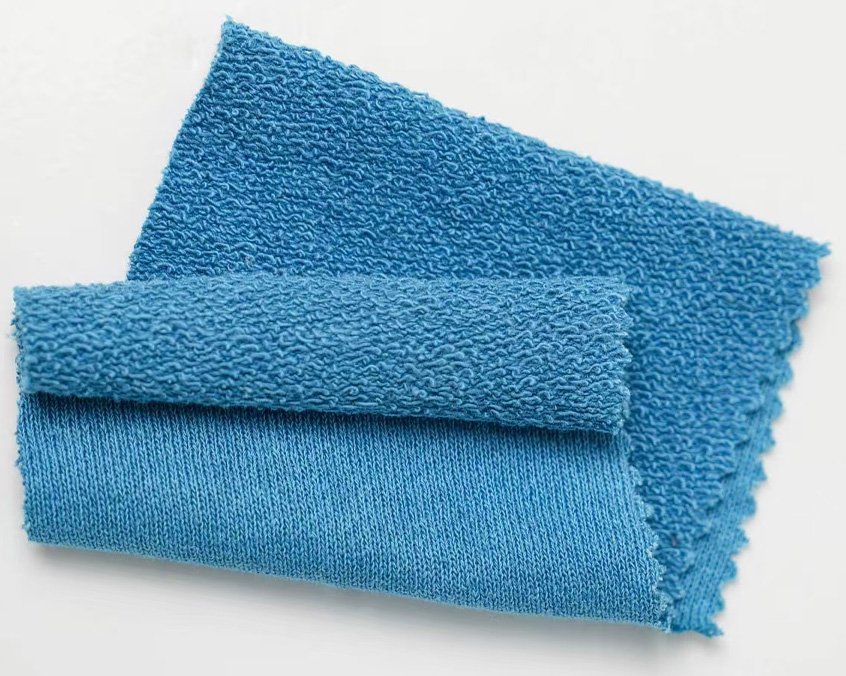
French terry is a knit fabric with a smooth face on the outside and looped yarns on the inside. It is known for being soft, breathable, and versatile, which makes it a popular choice for casualwear, loungewear, and lightweight streetwear.
Most French terry fabrics are made from cotton or cotton-rich blends, although polyester, rayon, spandex, and recycled fibers are also commonly added depending on the target use. The outer surface is usually clean and stable enough for printing, while the loopback interior adds comfort and helps regulate warmth.
This combination makes French terry popular for:
- sweatshirts
- hoodies
- joggers
- shorts
- pullovers
- relaxed tops
- children’s wear
How Is French Terry Different From Fleece?
French terry and fleece are often compared because both are commonly used in sweatshirts and casualwear, but they perform differently.
French Terry
French terry has looped yarns on the inside, which makes it lighter, more breathable, and better suited to layering or transitional weather
- loopback inner surface
- lighter and more breathable
- suitable for spring, autumn, and indoor wea
- cleaner drape for fashion basics
- often preferred for premium casual and lifestyle garments
Fleece
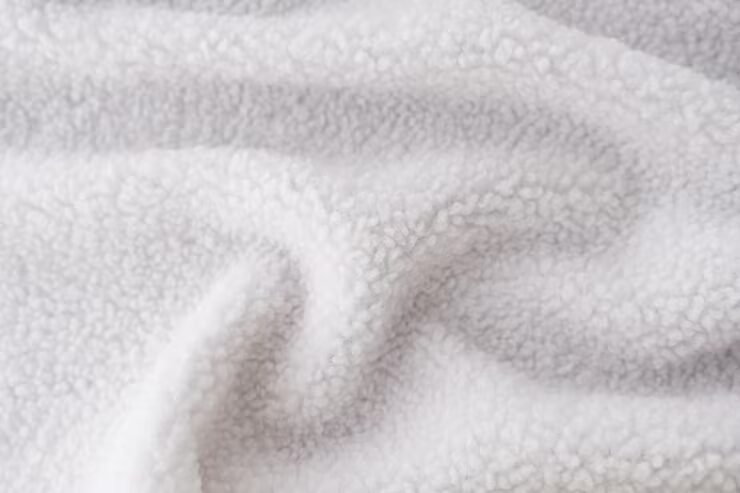
Fleece, by contrast, has a brushed inner surface that feels warmer and softer but also holds more heat.
- brushed inner surface
- warmer and thicker feel
- better for cold-weather products
- slightly bulkier appearance
- commonly used for winter hoodies and heavy sweatshirts
For brands, the choice usually comes down to intended season, target market, and silhouette. If the garment needs to feel comfortable without being too warm, French terry is often the better option.
Why Do Clothing Brands Use French Terry?
French terry remains a strong fabric choice because it sits in a very useful middle ground. It is more substantial than jersey, but lighter and more breathable than fleece. That makes it commercially versatile.
1. It Works Across Multiple Product Categories
A single French terry base can be used for tops, bottoms, matching sets, and lightweight outer layers. This helps brands maintain consistency across a collection while simplifying sourcing and bulk production.
2. It Supports Comfort Without Looking Too Basic
Because the face side is usually smooth and the fabric has some body, French terry can look more refined than simple knit basics. It gives casual garments a slightly more structured and premium feel.
3. It Fits Modern Lifestyle Dressing
Many brands today design for customers who want clothing that transitions between home, travel, gym, and everyday wear. French terry fits this use case very well because it feels soft while still looking presentable.
Common Fiber Contents and Blends
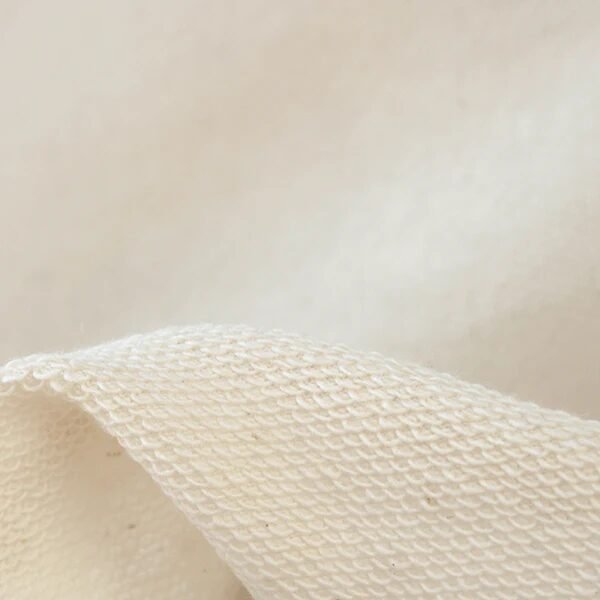
French terry is not one single fabric formula. Its performance depends heavily on fiber content and finishing.
Cotton French Terry
Cotton-rich French terry is soft, breathable, and widely used for premium casualwear. It is a strong choice when brands want a natural hand feel and better everyday comfort.
Cotton-Polyester French Terry
This blend is common in commercial production because it can improve durability, reduce shrinkage, and support more stable bulk output. It is often used when brands need a balance between comfort and cost control.
French Terry With Spandex
Adding a small amount of spandex improves stretch and recovery. This is useful for fitted joggers, active-inspired pieces, and garments that need better movement.
Recycled or Functional Blends
Some brands choose recycled polyester blends or moisture-management finishes for more performance-oriented collections. These options may be helpful, but they should be tested carefully during development because hand feel and print results can vary.
What Weight Is Best for French Terry?
Fabric weight is one of the most important factors when developing with French terry. The right GSM depends on the garment type, market positioning, and season.
Lightweight French Terry
About :180–240 GSM
Usually better for T-shirts, summer sets, and layering tops. It feels breathable and easy to wear, but may offer less structure
Midweight French Terry
About:240–320 GSM
This is often the most versatile range for hoodies, sweatshirts, shorts, and joggers. It provides a good balance of body, comfort, and year-round usability.
Heavyweight French Terry
About:320–400+ GSM
Heavier versions create a more premium, substantial look. They are often used in elevated streetwear and structured loungewear, especially when brands want a stronger silhouette
In apparel manufacturing, GSM alone is not enough. Yarn quality, knit density, finishing, and shrinkage control also affect the final result. Two fabrics with similar weight can still perform very differently in production.
What Should Brands Check Before Sampling?
French terry may look straightforward, but it still requires proper development review before approval.
Surface and Hand Feel
The outer surface should be checked for smoothness, especially if the garment will use screen printing, embroidery, or other graphic applications.
Shrinkage and Recovery
Cotton-rich French terry can shrink if finishing is not properly controlled. Always test wash performance before confirming fit specs for bulk production
Loop Stability
The loopback interior should be consistent and not overly loose. Unstable loops can affect durability and overall fabric quality.
Color and Dye Consistency
Piece-dyed French terry should be reviewed for shade consistency, colorfastness, and how the color reads under different lighting. This is especially important for matching sets.
Fit and Drape
French terry can behave differently depending on weight and blend. A relaxed short made in lightweight terry will not fit the same way as one made in a heavier compact version. Pattern and fabric need to be evaluated together.
Is French Terry Good for Streetwear and Casual Brands?
Yes, especially for brands that want to build easy, wearable products with a clean casual look. French terry is widely used in contemporary streetwear because it supports oversized silhouettes, matching sets, washing, and graphic decoration without feeling too heavy for everyday wear.
That said, it is not automatically the right choice for every design. If the garment needs a very stiff shape, extreme warmth, or a plush winter feel, another fabric may be more suitable. French terry performs best when the goal is comfort, breathability, and an elevated casual finish.
When Should a Brand Choose French Terry?
French terry is usually a strong option when a brand wants:
- a softer alternative to rigid woven basics
- a lighter option than fleece
- a fabric suitable for year-round casualwear
- coordinated sets with a clean commercial look
- a base that works for both minimalist and graphic-driven styles
For emerging brands, it can cover multiple SKUs without requiring too many different base fabrics.
Conclusion
French terry fabric remains a practical, commercially proven choice for clothing brands because it combines comfort, usability, and development flexibility.
Need help sourcing French terry for your next project? Get in touch with us to discuss fabric selection, sample development, and bulk production for your brand.
FAQ
French terry is thicker and has looped yarns on the inside, while jersey is usually lighter and flat on both sides. French terry offers more body and is better suited to sweatshirts and casual sets.
It can, especially in cotton-rich qualities. That is why pre-production wash testing is important before confirming final measurements.
In many cases, yes. The smooth outer face usually works well for screen printing and other graphic applications
Cotton-rich French terry is often valued for its soft hand feel, breathability, and everyday comfort, especially in casualwear and streetwear.
Fleece is generally warmer because it has a brushed inner surface that traps more heat. French terry is usually lighter and more breathable, making it a better choice for transitional weather and year-round casual wear.