
In the competitive landscape of high-end streetwear, the “hand-feel” of a garment can be the deciding factor between a premium piece and a standard tee. While traditional plastisol inks have long been the industry standard, discharge printing has emerged as the go-to technique for brands seeking a soft, breathable, and vintage aesthetic.
As a specialized streetwear manufacturer, we understand that choosing the right printing method is critical to your brand’s identity. This guide breaks down the science of discharge printing, its operational workflow, and whether it is the right choice for your next collection.
What Is Discharge Printing?
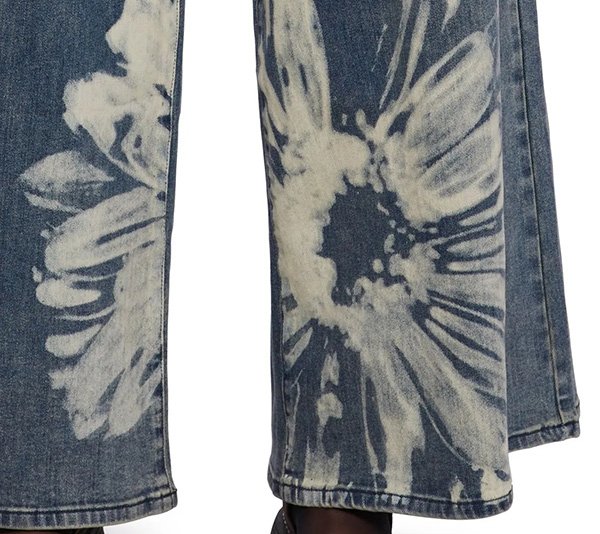
Discharge printing is a type of screen printing that works by removing the dye from a garment rather than simply covering it. A discharge agent is added to the print paste, and when the design is printed and heat-cured, the chemical reaction breaks down the original garment dye in the printed area.
In simple terms, regular screen printing adds color on top of the fabric, while discharge printing changes the color of the fabric itself in the printed area.
There are usually two main results in discharge printing:
- Clear discharge: the original dye is removed, leaving a lighter or off-white result depending on the garment dye
- Colored discharge: the original dye is removed and replaced with a new color during printing
This is one reason discharge printing is often used for vintage-style graphics, soft-hand logos, and large-area artwork on dark cotton garments. The final print tends to feel less heavy because the design is not sitting on the surface in the same way as a thick ink deposit.
How the Discharge Process Works
The process is more of a chemical reaction than a mechanical application. Here is how manage it on the clothing factory :
1. Fabric Selection (The 100% Cotton Rule)
Discharge printing only works on natural fibers, specifically 100% cotton. The fabric must be dyed with “dischargeable” reactive dyes. Synthetic fibers like polyester do not react to the discharge agent, which is why 50/50 blends often result in a “heathered” or muted look.
2. Mixing the Discharge Agent
The ink is a two-part system: a water-based discharge base and an activator (powder). Once mixed, the ink has a “pot life” of roughly 6 to 8 hours. Precise measurement is vital to ensure consistent color stripping across a high-volume production run.
3. The Printing Phase
The ink is pushed through the screen mesh. At this stage, the design often looks faint or transparent—the true color doesn’t reveal itself until it hits the heat.
4. The Heat Cure (The Activation)
This is where the magic happens. The garments pass through a high-temperature conveyor dryer (forced air). As the temperature hits approximately 160°C (320°F), the chemical reaction triggers, the original dye evaporates, and the new color is locked into the fibers.
Advantages and Limitations of Discharge Printing
Understanding both sides of the coin is essential for managing production expectations and maintaining quality control.
The Advantages
- Superior Hand-Feel: Ideal for “oversized” graphics or heavy chest prints where a thick layer of ink would be uncomfortable.
- Breathability: Since the fabric pores remain open, the garment remains cool and comfortable—a hallmark of premium streetwear.
- Vintage Aesthetic: It excels at creating distressed, “lived-in” looks that look better with every wash.
- High Detail: Water-based discharge inks can penetrate the fabric more deeply, allowing for intricate line work without the risk of ink bleeding or “smudging” associated with thick plastisol.
The Limitations
- Color Unpredictability: Not every dye reacts the same. Certain colors like Royal Blue, Kelly Green, and Purple are notoriously difficult to discharge and may leave a slight tint behind.
- Fabric Constraints: You are limited to 100% cotton for best results. Using discharge on hoodies with high polyester content can lead to inconsistent outcomes.
- The “Re-dye” Issue: If a brand has used “over-dyed” blanks (garments dyed twice to fix a color error), the discharge process may fail or yield an unexpected muddy color.
- Initial Odor: Freshly discharged garments have a distinct sulfur-like smell. While this disappears after the first wash, professional manufacturers must use high-end gas dryers and post-production venting to minimize this.
Discharge Printing VS Regular Screen Printing
| Feature | Discharge Printing | Regular Printing |
|---|---|---|
| Process | Removes the original dye from the fabric and replaces it with a new color or lighter effect | Applies ink directly on top of the fabric surface |
| Hand Feel | Soft, breathable, and less rubbery | Can feel heavier or more coated |
| Durability | The design becomes part of the fabric, so it is less likely to peel or crack | The print sits on the surface and may wear differently over time |
| Cost | More complex process, usually higher cost | Simpler process, usually lower cost |
From a brand development perspective, the choice usually comes down to hand feel, fabric compatibility, color expectations, and cost. Discharge printing offers a softer and more premium surface effect, while regular screen printing is often easier to standardize across different garment programs.
When Should Brands Choose Discharge Printing?
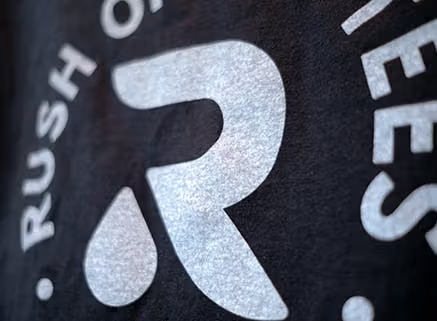
Discharge printing is usually a good option when a brand wants a soft print result on a dark cotton garment. It is especially suitable for streetwear and casualwear projects where comfort, washed aesthetics, and premium surface feel are part of the product identity.
Brands may consider discharge printing when:
- the garment is made from 100% cotton
- the base color is dark or deeply dyed
- the artwork includes large print areas
- a vintage or worn-in visual effect is preferred
- wants to avoid a thick ink feel
However, brands should not choose discharge printing only because it sounds more premium. It should be selected because the fabric, artwork, and brand goal actually support the process.
If the garment is made from blended fabric, or if exact bright color matching is essential, another printing method may be more practical
FAQ
No. Because the fibers themselves are re-dyed, the print is as permanent as the garment color. It will not crack or peel over time.
Generally, yes. The ink is more expensive, the setup requires more precision, and the post-production cleaning of the machines is more labor-intensive than standard screen printing.
Yes, discharge printing can be safe when it is handled properly. Because the process involves chemical agents, it should be carried out by an experienced printing facility with proper ventilation, protective equipment, and controlled curing conditions
Partner With an Expert Manufacturer
Navigating the technicalities of discharge printing requires a manufacturing partner who understands fabric chemistry as much as design. At Joy-apparel we specialize in high-end streetwear production, ensuring your designs transition from the screen to the fabric with perfect color accuracy and that signature soft touch.