
In the exciting world of modern streetwear, the value of a piece often depends on how its graphics are done. For brand owners, choosing between embroidery and printing isn’t just about looks; it’s a smart move that affects production costs, how long the garment lasts, and how the brand is seen.
As a manufacturer focused on high-end streetwear, we totally get that “good enough” just won’t do in a market fueled by “drop” culture and top-notch quality. So, let’s dive in.
When to Choose Embroider?
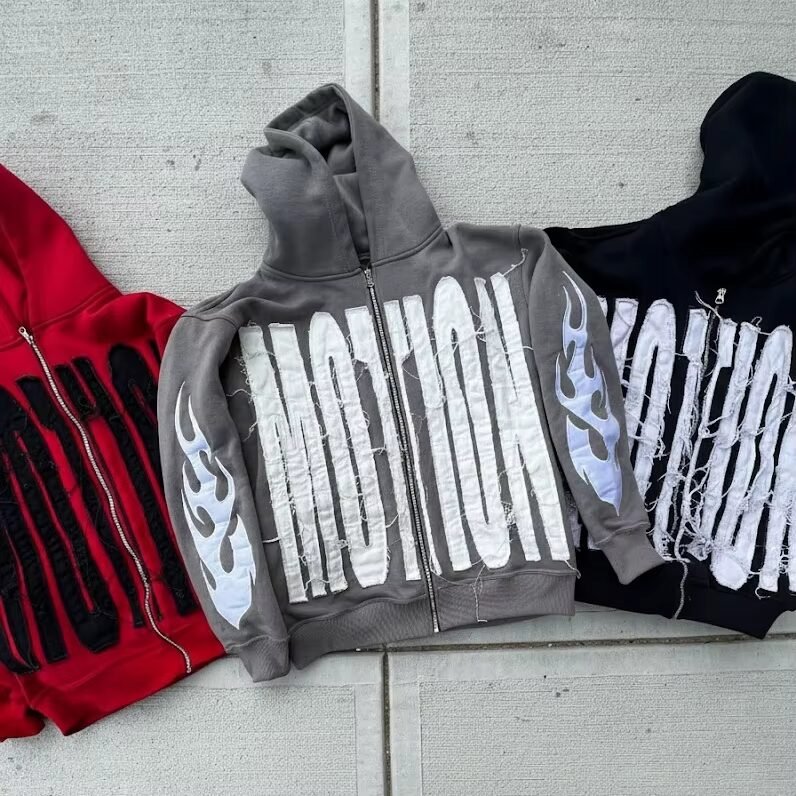
Embroidery is often the hallmark of premium streetwear. It adds a tactile, three-dimensional element that cannot be replicated by ink. Beyond its visual impact, it offers a level of permanence—high-quality polyester or rayon threads retain their integrity for the life of the garment.
Types of Embroidery in Streetwear
Choosing the right stitch technique is crucial for achieving the specific “vibe” of a collection. Here is how we categorize the primary methods used in professional streetwear production:
Flat Embroidery: The industry standard for clean, classic branding. It is ideal for intricate logos and small text on hoodies or sweatshirts where a crisp, professional finish is required.
3D Puff Embroidery: By using a foam insert under the stitching, create a raised effect. This is a staple for headwear and heavy-weight fleece, providing that bold, high-relief aesthetic central to streetwear identity.
Chain Stitch Embroidery: Characterized by its looped, rope-like texture, chain stitching is highly sought after for vintage-inspired workwear and script logos. It offers a “hand-crafted” look that modern satin stitches cannot replicate.
Chenille Embroidery: Known for its “towel-like” fuzzy texture, chenille is the gold standard for varsity jackets and oversized graphics. it adds significant volume and a retro athletic feel to the piece.
Appliqué Embroidery: This involves sewing pre-cut pieces of fabric (like twill, felt, or leather) onto the garment. It is the most efficient way to cover large areas with texture without the excessive weight or stiffness of a million-plus stitch count.
Patch Embroidery: We create standalone embroidered emblems that are later sewn or heat-pressed onto the garment. This allows for incredibly fine detail that might be impossible to achieve through direct embroidery on heavy outerwear.
Mixed Embroidery: The pinnacle of high-end design. This involves combining multiple techniques—such as a 3D Puff border around a Chenille center—to create a multi-dimensional, “designer” finish that increases the garment’s retail value.
Limitations: Fabric Weight and Detail
Embroidery requires a stable “canvas.” We generally recommend it for garments with a higher GSM (Grams per Square Meter), such as 400GSM+ hoodies or heavy-weight tees. On ultra-lightweight fabrics, heavy embroidery can cause “puckering” or “pulling,” ruining the drape of the shirt.
The Versatility of Printing
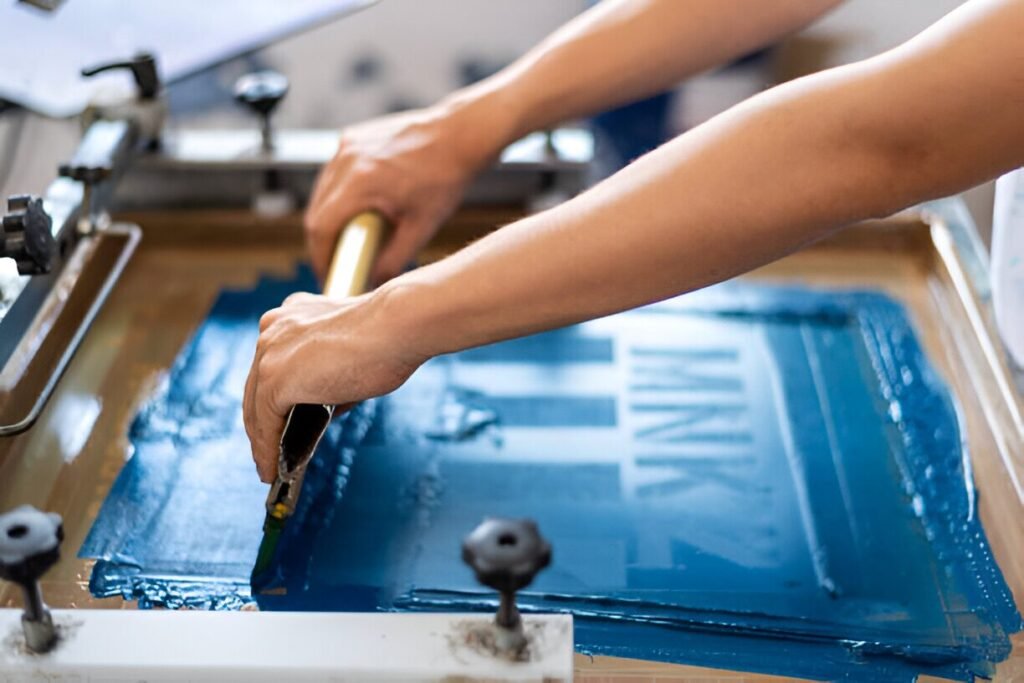
Where embroidery offers texture, printing offers limitless creative freedom. Modern printing techniques have evolved far beyond the stiff, “plastic-feeling” graphics of the past.
Streetwear Printing Techniques
Screen Printing: The high-volume king. It remains the most cost-effective and durable solution for large-scale production. It offers vibrant color opacity, especially on dark fabrics, and is the go-to for the traditional “heavy ink” streetwear look.
Digital Printing (DTG & DTF): For designs involving photographic elements or complex gradients, Direct-to-Garment (DTG) or Direct-to-Film (DTF) are the preferred routes. They allow for an infinite color palette and high-resolution detail without the setup costs of multiple screens.
Heat Transfer Printing: Perfect for high-precision logos and multi-color designs that require sharp edges. It is particularly effective for technical streetwear and synthetic blends where traditional screen printing might struggle with adhesion.
Puff Printing: The chemical counterpart to 3D embroidery. By adding a foaming agent to the ink, the print expands when heated, creating a soft, raised 3D texture. It’s a trending technique for “bubble” style typography.
Sublimation Printing: Best for all-over prints (AOP) on polyester-based fabrics. The ink turns into gas and bonds directly with the fibers, resulting in a breathable, fade-resistant graphic that has zero “hand-feel.”
Reflective Printing: A staple in utility and “tech-wear” aesthetics. Using glass bead technology, this print reflects light back to its source, providing a striking visual effect under camera flashes or streetlights while adding a safety component to the garment.
Limitations: Fabric Composition
Unlike embroidery, certain printing methods are highly sensitive to fabric chemistry. Sublimation, for instance, is ineffective on 100% cotton, while DTG requires high cotton content for optimal vibrancy.
Making the Right Call for Your Collection
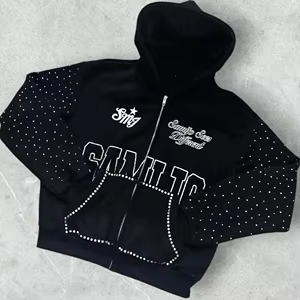
From a manufacturing perspective, the choice often comes down to Design Complexity vs. Fabric Weight.
If you are building a “luxury streetwear” line, we often suggest a Mixed Media approach. For example, a small, high-density 3D puff embroidered logo on the chest paired with a large, soft-hand screen print or a reflective graphic on the back. This provides the premium feel of embroidery while maintaining the visual impact and comfort of a large-scale print.
Partner With an Expert Manufacturer
Choosing the right technique is only half the battle; execution is the other.
At our facility, we bridge the gap between creative vision and technical reality. Whether you’re looking for high-density puff embroidery or vintage-wash discharge prints, we have the machinery and the expertise to bring your streetwear vision to life.
Frequently Asked Questions
While both offer a 3D effect, embroidery is more permanent. Puff printing is durable but requires careful laundering (inside out, cold wash) to prevent the “puff” from flattening or cracking over time.
Chain Stitch embroidery and Water-based Screen Printing are the top choices. Chain stitch mimics heritage workwear, while water-based ink sinks into the fabric for that aged, “broken-in” feel.
In our facility, we apply a “soft-seal” heat-pressed backing over the interior of the embroidery. This protects the skin from the thread knots and ensures a luxury wearing experience.
Absolutely. This “Mixed Media” approach is very popular in luxury streetwear. We can print the base graphic and then layer Chenille or flat embroidery on top to create depth.