
Starting a clothing line comes with an early, critical decision: how will you actually make your clothes? The production method you choose impacts your startup costs, your design freedom, and how fast you can launch.
Most independent labels use one of two paths: cut and sew manufacturing or customizing pre-made blanks.
Both methods have distinct advantages, but the right choice depends entirely on your budget, timeline, and design complexity. Let’s break down how they work so you can choose the best path forward.
Quick Comparison
| Feature | Blank Clothing | Cut and Sew |
| Upfront Cost | Very low | Very high |
| Time to Market | 1 to 3 weeks | 2 to 3 months |
| Design Freedom | Limited to graphics and labels | Total control over fit, fabric, and features |
| Minimum Orders | Often none (or very low) | Usually 100 to 500+ pieces per style |
| Profit Margin Per Piece | Lower | Higher |
What is Blank Clothing?
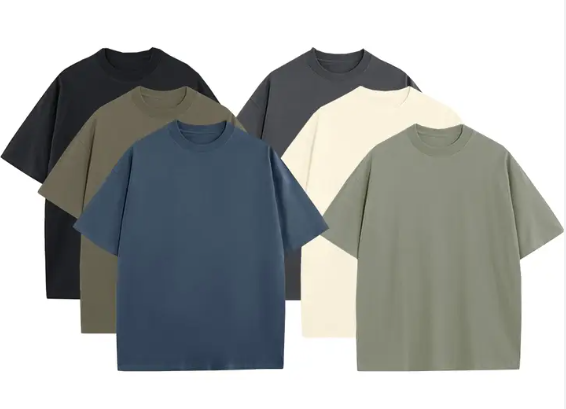
Blank clothing involves buying pre-made, unbranded garments—like t-shirts, hoodies, or sweatpants—directly from a wholesale supplier. These items are already dyed, stitched, and sitting in a warehouse.
Once you buy the blanks, you add your own branding. This usually means screen printing your graphics, adding embroidery, or sewing in your own custom neck labels.
Pros of Blanks
- Low Startup Costs: You don’t need a massive budget. Many suppliers let you buy just a dozen shirts at a time, keeping your initial investment small.
- Fast Turnaround: Because the clothes are already made, you can have a finished, decorated product ready to sell in a week or two.
- Predictable Quality: You can order a single sample to check the fit and fabric feel before committing to a larger batch.
Cons of Blanks
- Limited Customization: You cannot change the fit, the pocket placement, or the fabric type. You are locked into whatever the supplier offers.
- High Unit Cost: While startup costs are low, the price per individual garment is higher than buying raw fabric, which can squeeze your profit margins later on.
- Market Competition: Other creators have access to the exact same blanks. If you use a popular wholesale tee, your product will fit and feel identical to competing items on the market.
What is Cut and Sew Manufacturing?
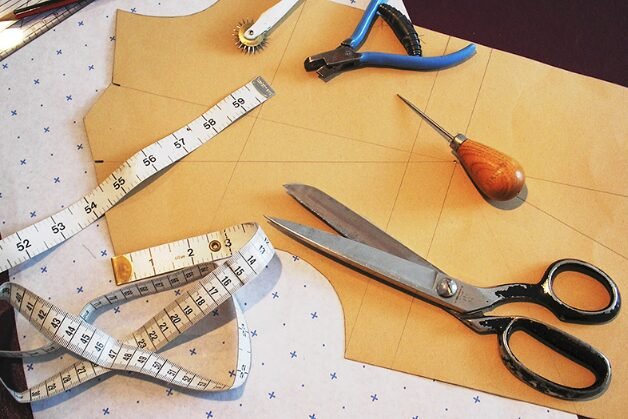
Cut and sew is a completely custom manufacturing process. You start from scratch with raw fabric. A factory cuts the fabric panels based on your specific patterns (tech packs) and sews them together according to your exact instructions.
With cut and sew, you control every single detail: the exact fabric weight, the specific fit, custom stitching styles, and specialized dye treatments.
Pros of Cut and Sew
- Complete Design Freedom: You aren’t limited by a catalog. If you want an oversized fit with dropped shoulders and a heavy, unique fabric weight, you can create it.
- Higher Profit Margins: Buying raw fabric and manufacturing in bulk lowers the cost per garment, leaving you with more profit when you sell at retail prices.
- True Originality: Your garments are entirely unique to your label. No one else can replicate your exact fit and feel using off-the-shelf blanks.
Cons of Cut and Sew
- High Minimum Order Quantities (MOQs): Most custom factories require you to order hundreds of pieces per style and color to start production.
- Significant Financial Investment: Between tech pack development, pattern making, prototyping, and large production runs, the upfront costs are substantial.
- Long Timelines: The process requires months of development, sampling, fabric sourcing, and production time before your inventory arrives.
Which Method is Better for Your Situation?
The right choice comes down to your current resources and what you are trying to build.
Choose Blanks If:
- You are testing a new concept and want to validate your designs without spending thousands of dollars.
- Your designs rely primarily on great graphics, logos, or typography rather than unique garment shapes.
- You need to get your inventory ready quickly for an upcoming event, launch date, or season.
Choose Cut and Sew If:
- The unique fit, custom fabric drape, or specialized construction features are the main selling points of your apparel.
- You have the financial capital to invest in bulk inventory upfront.
- You are scaling up and want to maximize your profit margins on high-volume sales.
Frequently Asked Questions
Yes. Many successful labels start out using blanks to test their designs and build a customer base. Once they have steady revenue and a clear understanding of what their customers like, they reinvest those profits into custom cut and sew production.
While it varies by factory, you typically need at least $3,000 to $10,000 to cover tech packs, physical samples, fabric sourcing, and the minimum production run for a single custom garment style.
Not necessarily. Wholesale blanks come in many tiers, ranging from cheap promotional budget shirts to premium, heavyweight organic cotton options. The main difference isn’t quality—it’s the level of control you have over the design.
A tech pack is a blueprint for a custom garment that includes measurements, materials, and stitching instructions. You absolutely need one for cut and sew manufacturing, but you do not need one if you are just printing on pre-made blanks.
Conclusion
Choosing between blanks and cut and sew comes down to where you are today and where you want your clothing line to go. While blanks are great for testing the waters with simple graphics, cut and sew is the ultimate path to building a truly premium, distinct, and memorable fashion label.
If you are ready to move past standard wholesale catalogs and create garments with your exact fit, we are here to help. As a dedicated cut and sew manufacturer, we handle the entire process from pattern making to final stitching.