
The word “jacket” serves as a remarkably broad umbrella in men’s fashion. A sleek tailored blazer, a heavy insulated parka, and a lightweight nylon rain shell all share this common designation, yet their design intentions, structural complexities, and wearing environments could not be more distinct.
Understanding these different types of jackets goes far beyond learning their names. This comprehensive guide breaks down 20 popular men’s jacket styles to help you recognize, differentiate, and understand the core design choices behind modern men’s outerwear.
What Is a Jacket?
A jacket is a classic piece of men’s outerwear designed to cover the upper body, typically extending to the waist or hip, featuring an open front that closes via zippers, buttons, or snaps.
Unlike longer overcoats, a jacket emphasizes mobility, clean structural lines, and versatile layering potential across diverse seasons.
Quick Overview
The table below provides a concise comparative reference of the 20 jacket styles discussed in this guide
| Jacket Type | Key Feature | Main Use |
|---|---|---|
| Bomber Jacket | Short body with ribbed trims | Casual layering |
| Denim Jacket | Structured denim construction | Everyday wear |
| Leather Jacket | Leather outer shell | Durable outerwear |
| Biker Jacket | Asymmetrical zip and hardware | Motorcycle-inspired style |
| Varsity Jacket | Snap front and ribbed trims | Collegiate style |
| Harrington Jacket | Clean waist-length shape | Lightweight layering |
| Trucker Jacket | Short paneled construction | Structured casual wear |
| Field Jacket | Longer body with large pockets | Practical layering |
| Utility Jacket | Functional pocket design | Everyday utility |
| Chore Jacket | Simple shape and patch pockets | Workwear style |
| Coach Jacket | Snap front and drawstring hem | Lightweight casual wear |
| Windbreaker | Lightweight wind-resistant shell | Wind protection |
| Rain Jacket | Waterproof shell construction | Wet weather |
| Puffer Jacket | Insulated quilted sections | Cold weather |
| Parka | Longer hooded silhouette | Winter protection |
| Fleece Jacket | Soft insulating pile | Lightweight warmth |
| Softshell Jacket | Stretchy weather-resistant fabric | Active outdoor use |
| Safari Jacket | Multi-pocket structured design | Warm-weather layering |
| Blazer | Tailored shape and lapels | Smart casual wear |
| Shacket | Shirt-like shape in heavier fabric | Transitional layering |
20 Types of Jackets for Men
1. Bomber Jacket
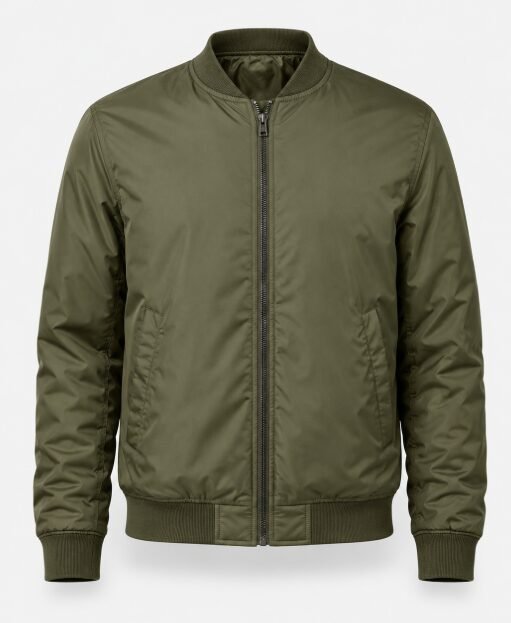
The bomber jacket originated from military flight jackets but has since become a common casual outer layer. Its defining features are a short body, ribbed cuffs and hem, and a slightly rounded blouson shape.飞行员夹克起
Modern bomber jackets are made from nylon, polyester, leather, suede, and other fabrics. Compared with a Harrington jacket, the bomber usually looks fuller through the body and relies more heavily on ribbed trims to create its distinctive silhouette.
2. Denim Jacket
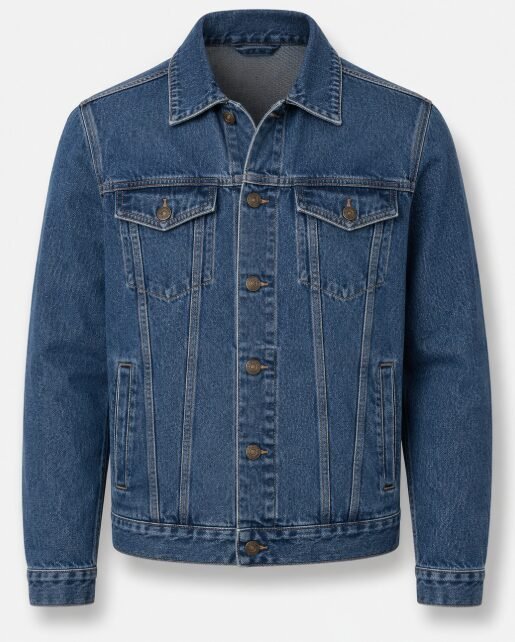
A denim jacket is defined mainly by its fabric rather than one exact silhouette. Most versions use sturdy cotton denim, often combined with metal buttons, visible seams, and structured paneling.
Fabric weight and wash can noticeably change the result. Lightweight denim feels softer and works well in mild weather, while heavier denim holds a firmer shape.
3. Leather Jacket
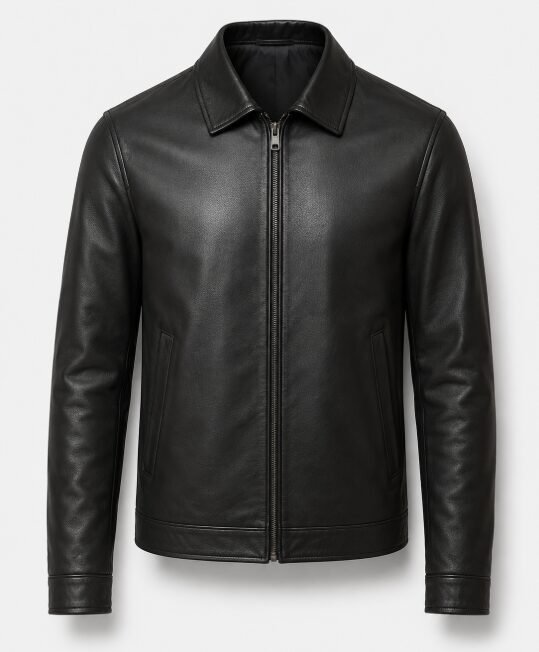
A leather jacket is a broad category rather than one specific style. It can range from a clean zip-front jacket to a biker, aviator, or tailored design.
The type of leather has a major effect on the final garment. Firmer leather creates more structure, while softer leather gives the jacket greater drape and movement. A biker jacket is one type of leather jacket, but not every leather jacket has the asymmetrical zipper and heavy hardware associated with biker styles.
4. Biker Jacket
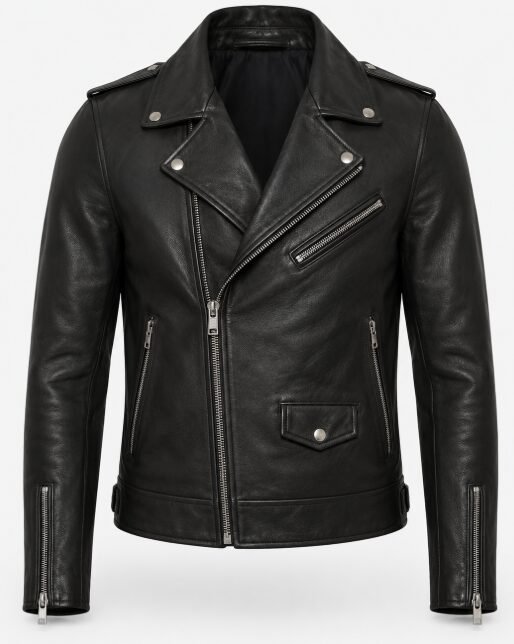
The biker jacket is a specific type of leather jacket with a strong motorcycle influence. Its most recognizable feature is the asymmetrical front zipper, usually combined with wide lapels, metal hardware, and zippered cuffs.
Most biker jackets are cut relatively short and close to the body. This gives them a sharper, more structured appearance than simple leather jackets with straight front zippers. Modern fashion versions may soften some of the original riding details, but the asymmetrical closure remains the clearest sign of the style.
5. Varsity Jacket
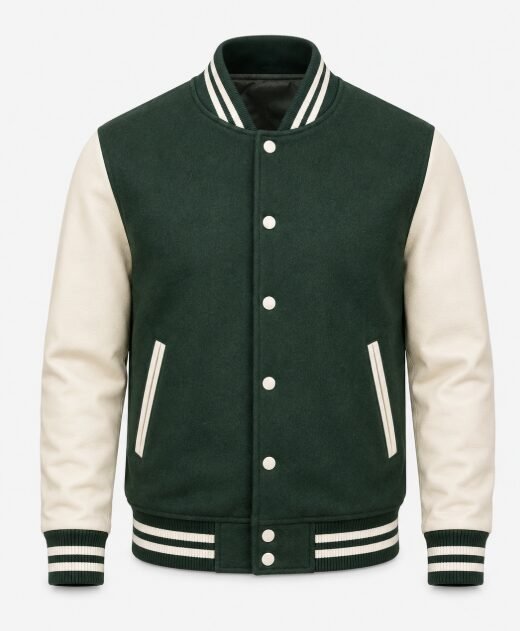
The varsity jacket, also known as a letterman jacket, comes from American collegiate sports. It usually has a short body, ribbed collar, cuffs, and hem, plus a snap-button front.
Traditional versions often combine a wool body with contrasting leather sleeves. Modern jackets may use nylon, polyester, satin, or cotton for a lighter feel. Compared with a bomber jacket, the varsity jacket is more strongly defined by its snap closure, color blocking, and athletic details.
6. Harrington Jacket
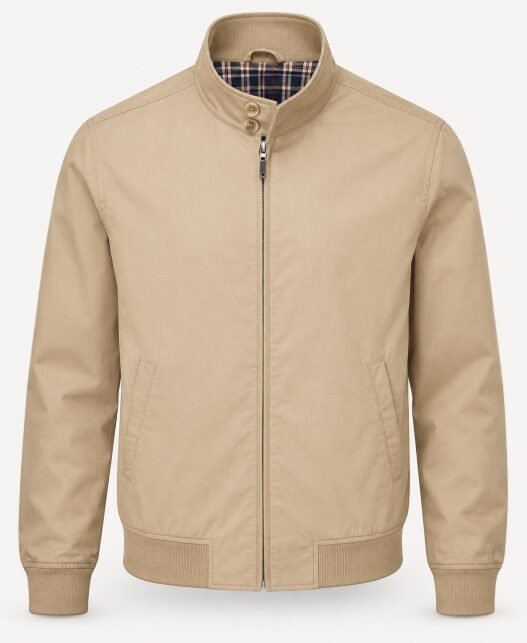
The Harrington is a lightweight, waist-length jacket known for its clean and understated shape. It typically features a stand collar, central zipper, and a lightly fitted hem.
Cotton blends and lightweight woven fabrics are common because the jacket is mainly designed for mild weather. Compared with a bomber jacket, the Harrington usually looks flatter and less rounded. It also relies less on heavy ribbed trims, giving it a cleaner and slightly smarter appearance.
7. Trucker Jacket
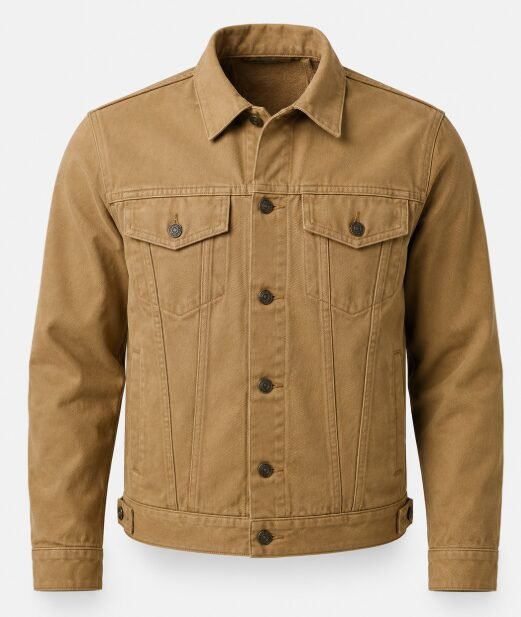
A trucker jacket is defined by its construction rather than its fabric alone. The classic design has a short body, pointed collar, structured front panels, chest pockets, and adjustable tabs at the waist.
Denim is the best-known material, which is why trucker jackets and denim jackets are often confused. However, trucker jackets can also be made from corduroy, canvas, suede, and other fabrics. A denim jacket describes the material category, while a trucker jacket refers to a specific silhouette and panel structure.
8. Field Jacket
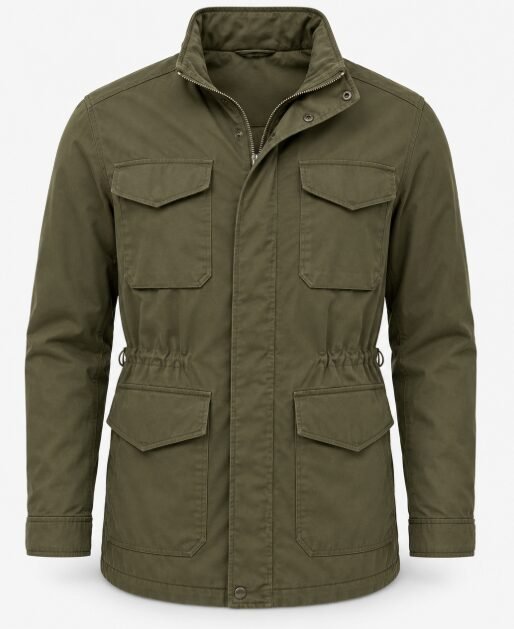
The field jacket comes from military outerwear and is usually longer than most casual jacket styles. A four-pocket front is one of its most recognizable features, often combined with a stand collar and an adjustable waist.
The M-65 is a well-known reference for this style. Cotton twill, canvas, and durable blended fabrics are commonly used. Compared with a utility jacket, the field jacket has a clearer military structure and usually offers more body coverage.
9. Utility Jacket
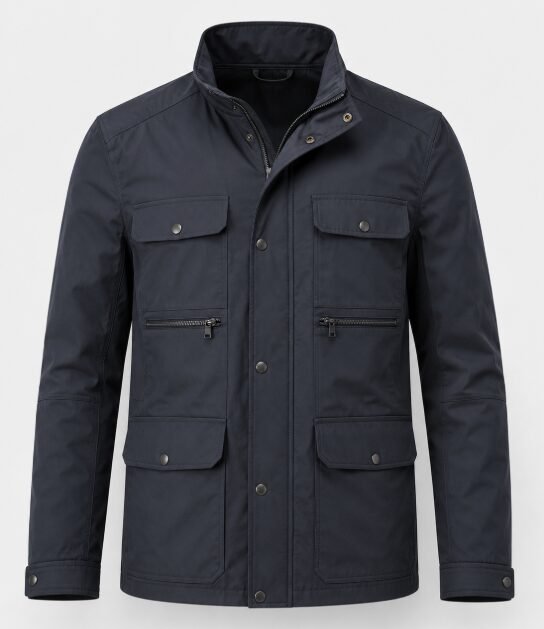
The utility jacket is a broad category built around practical design rather than one fixed historical shape. Functional pockets, durable closures, and easy movement are common features.
Unlike a field jacket, it does not need to follow a traditional four-pocket military layout. Some versions are short and minimal, while others use technical fabrics and modern storage details. This makes the utility jacket a more flexible category that can draw inspiration from workwear, military clothing, or contemporary outerwear.
10. Chore Jacket
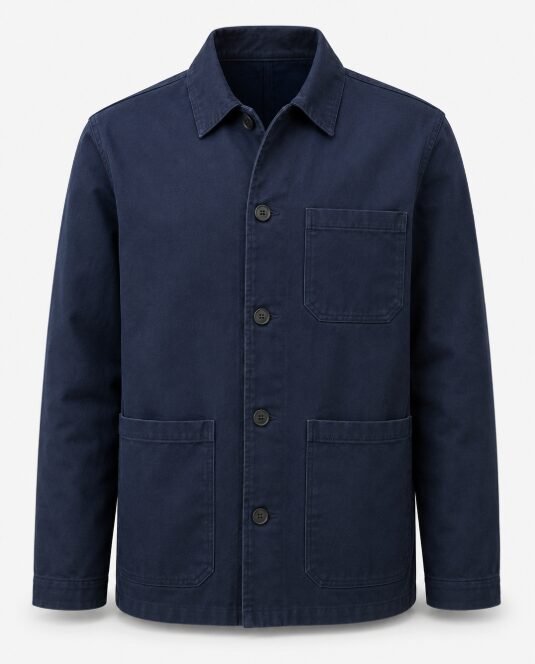
The chore jacket comes from workwear and is known for its simple, practical construction. It usually has a relaxed straight fit, button front, pointed collar, and large patch pockets.
Cotton drill, canvas, and twill are common because they provide durability without requiring complicated construction. Compared with a field jacket, the chore jacket looks cleaner and less military. Its character comes from simple proportions and useful pockets rather than heavy hardware or technical details.
11. Coach Jacket
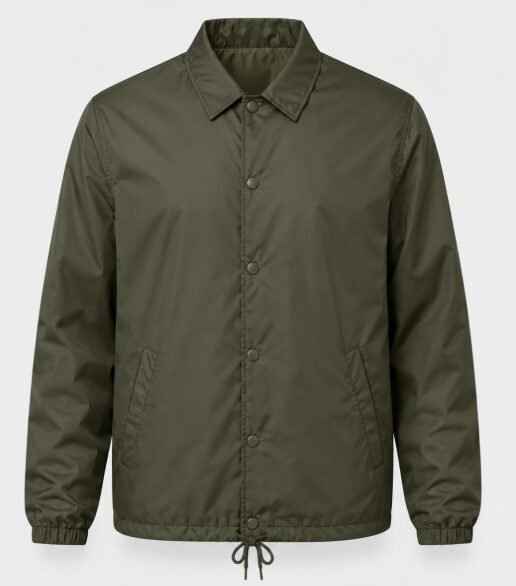
The coach jacket is a lightweight style with roots in American sportswear. Its most recognizable details are a pointed collar, snap-button front, straight body, and drawstring hem.
Nylon and polyester are common because they keep the jacket light and easy to layer. Although a coach jacket may provide some wind protection, it is defined mainly by its design rather than weather performance. The collar and snap-front construction clearly separate it from most technical windbreakers.
12. Windbreaker
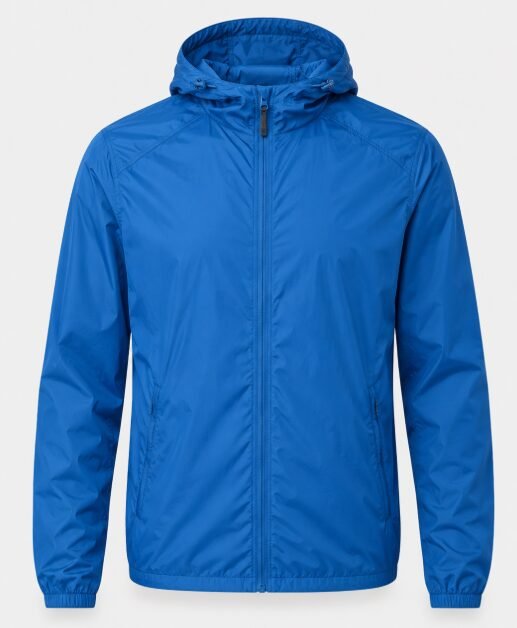
A windbreaker is a lightweight jacket designed mainly to reduce wind penetration. It is usually made from tightly woven nylon or polyester, which provides protection without adding much weight.
Many versions include a high collar, adjustable cuffs, or a hood. They may have either a full zipper or pullover construction. Some windbreakers can handle light moisture, but wind resistance does not mean full waterproofing. For prolonged rain, a properly constructed rain jacket usually provides better protection.
13. Rain Jacket
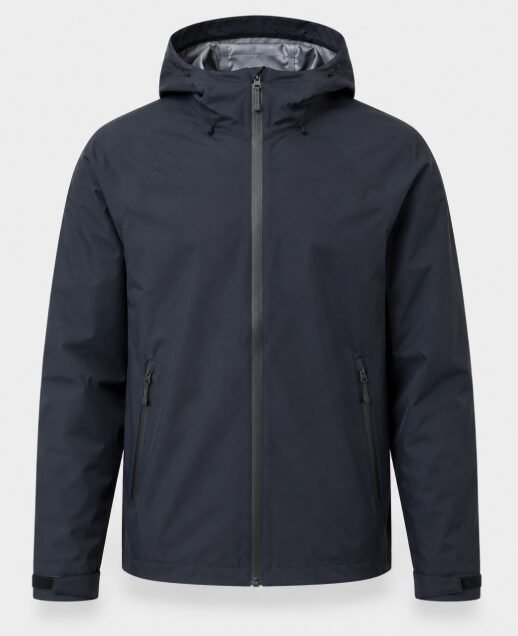
A rain jacket is designed specifically to protect the wearer from wet weather. Depending on the level of protection, it may use a waterproof membrane, coated fabric, or other water-resistant construction.
Seams and closures also matter. More protective versions often use sealed seams, covered or water-resistant zippers, and adjustable hoods to reduce water entry. This is the main difference between a rain jacket and a windbreaker: a rain jacket is built around water protection, not simply a tightly woven outer shell.
14. Puffer Jacket
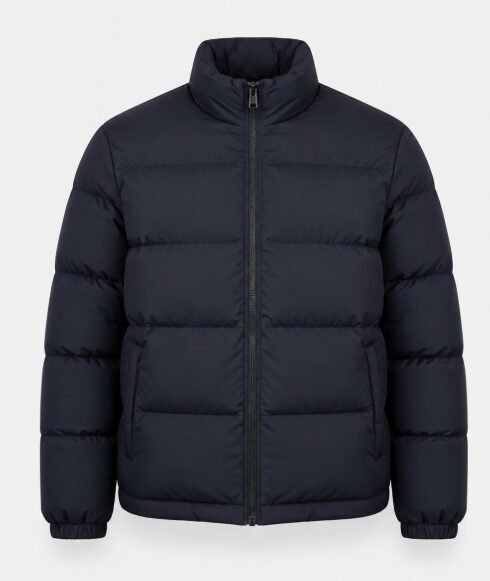
The puffer jacket is defined by sections that hold insulation in place. These quilted or baffled areas help distribute the filling across the body and create the jacket’s distinctive padded appearance.
Down offers excellent warmth for its weight, while synthetic insulation is often easier to care for and can perform better when damp. The amount and type of filling affect warmth, weight, and bulk. Unlike a parka, a puffer jacket is defined mainly by its insulated construction rather than by one specific length.
15. Parka
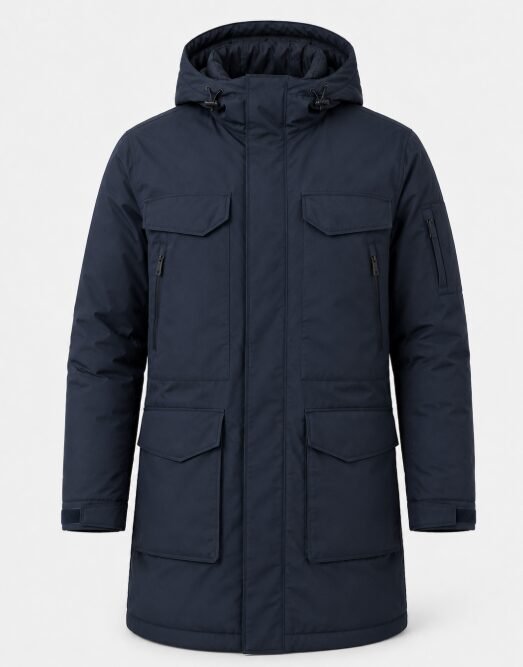
A parka is a longer outer jacket designed to provide greater protection in cold or difficult weather. Most versions extend below the hips and include a hood, giving more body coverage than shorter winter jackets.
Parkas may use down, synthetic insulation, removable liners, or layered shell constructions. This is where they can overlap with puffer jackets. A puffer is defined by its padded insulation structure, while a parka is defined more by its longer protective silhouette. A single jacket can therefore belong to both categories.
16. Fleece Jacket
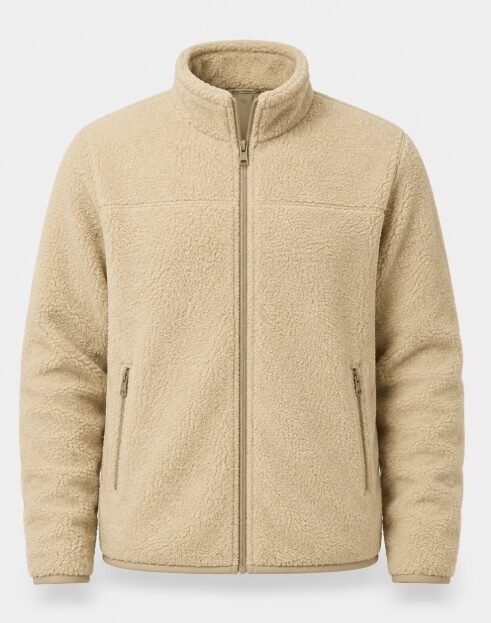
A fleece jacket uses a soft synthetic pile to trap air and provide lightweight warmth. The material is also relatively breathable, which makes fleece useful for layering and active situations.
However, most fleece fabrics provide limited protection from strong wind or sustained rain. In harsher conditions, they are often worn under a protective outer shell. Fabric density also matters: a thin fleece works as a light layer, while heavier versions provide more insulation.
17. Softshell Jacket
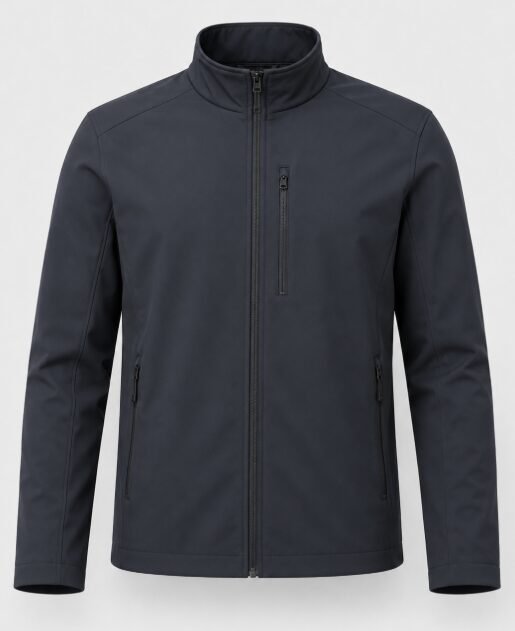
A softshell jacket is designed to balance movement, breathability, and moderate weather protection. Stretch-woven polyester or nylon fabrics are common because they allow more flexibility than many rigid waterproof shells.
Softshell jackets often resist wind and light moisture, making them useful for hiking, cycling, and other active situations. However, they should not automatically be treated as fully waterproof. Compared with a rain jacket, a softshell usually gives up some water protection in exchange for greater stretch and breathability.
18. Safari Jacket
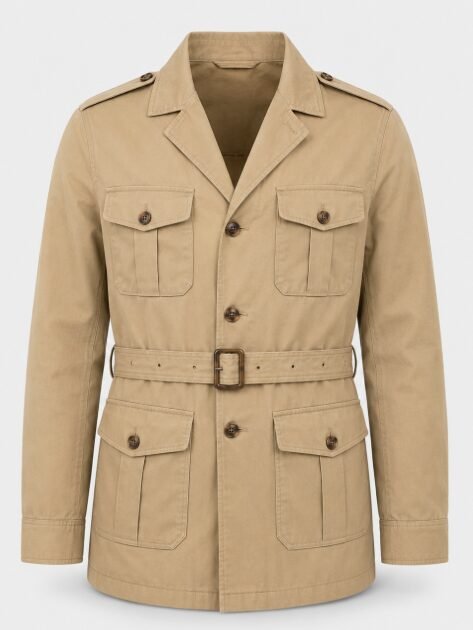
The safari jacket is a lightweight style originally developed for warm climates. Its most recognizable feature is a multi-pocket front, often combined with a structured collar and a slightly longer body.
Traditional versions may include four front pockets, shoulder epaulets, and a matching belt. Modern interpretations often simplify these details. Cotton, linen blends, and lightweight twill are common choices because they suit the jacket’s warm-weather origins. The style remains more structured than a typical utility jacket.
19. Blazer
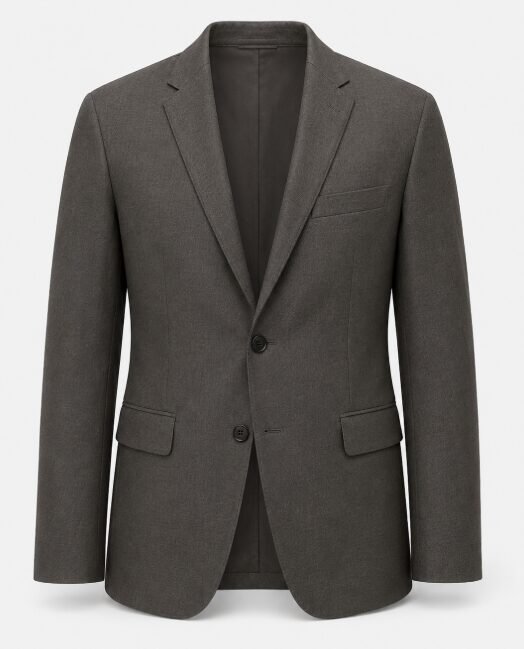
A blazer is a tailored jacket designed to be worn independently rather than as part of a matching suit. It usually features lapels, a buttoned front, and more deliberate shaping than casual outerwear.
The level of formality depends heavily on fabric and construction. A structured wool blazer can look polished, while an unlined cotton or linen version feels more relaxed. The main difference from a suit jacket is that a blazer does not need matching trousers and is intended to work as a separate garment.
20. Shacket
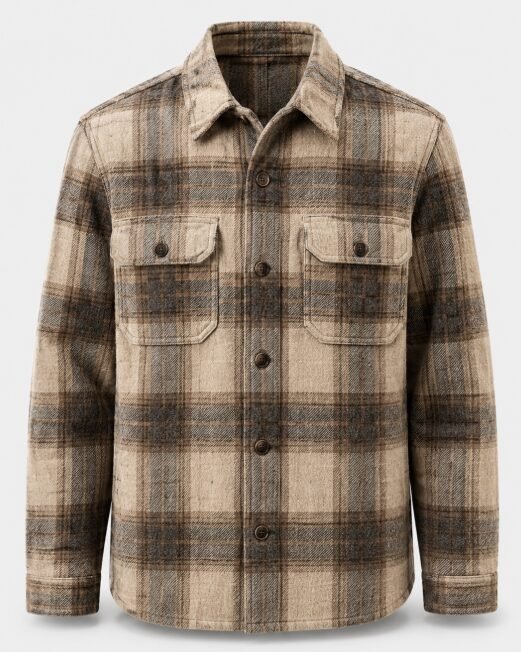
A shacket sits between a shirt and a lightweight jacket. It usually keeps familiar shirt details such as a collar, button or snap front, and chest pockets, but uses heavier fabric and a roomier fit.
Flannel, wool blends, corduroy, and dense cotton are common materials. Their extra weight gives the garment enough structure to work as an outer layer. Compared with a regular shirt, a shacket is better suited to layering and mild transitional weather.
How Are Men’s Jackets Commonly Classified?
Jacket names do not all follow the same system. Some describe what a jacket does. Others refer to how it is built or where the style originally came from.
This is why jacket categories sometimes overlap.
By Purpose
Some jackets are named mainly for their function.
Windbreakers reduce wind exposure. Rain jackets focus on water protection. Puffer jackets are designed to hold insulation. Softshell jackets balance movement with moderate weather resistance.
These names tell us more about performance than appearance.
By Construction
Other jackets are defined by how they are built.
A puffer uses quilted or baffled sections to hold insulation. A shacket keeps the basic structure of a shirt but uses heavier fabric. A blazer relies on tailored shaping. A trucker jacket is recognized by its short body, paneled front, and chest pockets.
One jacket can belong to more than one category. For example, a denim jacket can also use a trucker construction.
By Origin
Some jacket styles are closely connected to their history.
Bomber and field jackets have military roots. Chore jackets developed from workwear. Varsity and coach jackets came from sports culture.
These origins still influence modern jacket shapes, materials, and details.
How to Choose the Right Type of Jacket
Selecting the correct jacket style requires balancing functional performance with personal comfort. To make an informed decision, look at the specific design factors that influence how a jacket performs in the real world.
Weather and Protection
Your immediate climate should always dictate your baseline outerwear category. A lightweight nylon windbreaker is an excellent companion for a breezy spring afternoon, but it will leave you shivering in winter . For freezing temperatures, prioritize insulated options like down puffers or extended parkas that physically trap heat around your core.
Fit and Layering
A jacket’s fit should match what you intend to wear underneath it. Heavy winter jackets and parkas are intentionally patterned with a slightly relaxed cut to leave ample room for thick sweaters, cardigans, or hoodies without binding around the armpits. Conversely, lightweight transitional jackets like a Harrington, a biker jacket, or a slim trucker are designed to sit much closer to the body over a simple t-shirt.
Fabric and Construction
Never assume two jackets with the same name will perform identically. A puffer jacket filled with premium natural down will be incredibly light and warm, whereas a cheap synthetic puffer may feel bulky while offering half the thermal protection. Examine the textile composition and interior construction carefully.
Wearing Situation
Consider the social and physical setting where the jacket will be used. Active outdoor pursuits like hiking demand flexible, highly breathable softshells or compressible windbreakers that allow heat to escape. Professional or polished social environments call for clean structural lines, making a tailored blazer is ideal choice. Matching the design language of the jacket to your environment ensures you look appropriate while staying comfortable.
Conclusion
Jacket types serve as incredibly useful categories, but names alone do not tell the whole story of a garment. True expertise lies in recognizing how silhouette, fabric weight, and hardware design cooperate to create a specific wearing experience.
Whether you are developing an urban utility collection or a refined line of classic outerwear, our custom jacket development services are tailored to bring your exact structural specifications to life. Contact our team today to discuss your next custom production run.