
Choosing the right hoodie manufacturer directly affects product quality, costs, delivery timelines, and your brand’s long-term growth. Many brands struggle because they don’t know what to look for beyond price.
To choose the right hoodie manufacturer for your brand, you should evaluate five key factors: product quality, customization capability, minimum order quantity (MOQ), production capacity, and communication reliability. The right manufacturer should match your brand positioning, budget, and growth plan—not just offer the lowest price.
This guide will walk you through everything you need to know to make a smart, informed decision.
Understand Your Brand’s Needs Before Contacting Manufacturers
Before you even start searching for a hoodie manufacturer, you must clearly understand your own brand requirements. Many brands waste time contacting dozens of factories without knowing what they actually need.
Define Your Target Market
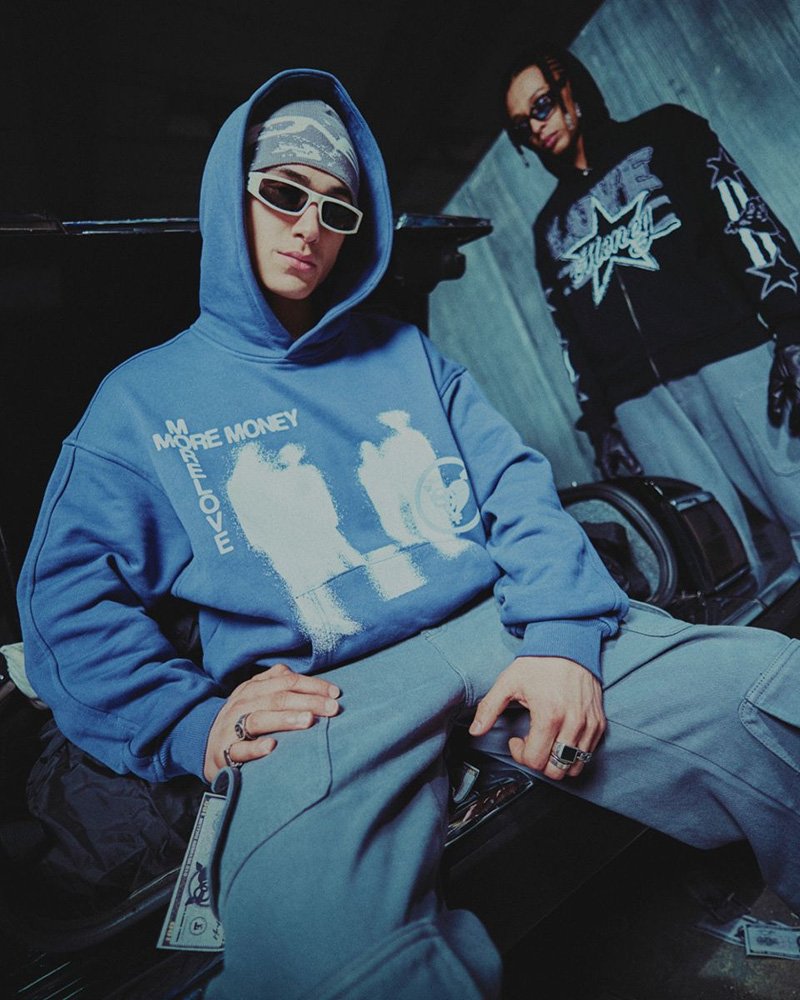
Ask yourself who your hoodies are made for:
- Streetwear customers looking for oversized, heavyweight styles
- Casual consumers wanting affordable everyday hoodies
- Premium buyers expecting high-quality fabrics and finishing
Your target market determines fabric choice, fit, price range, and even which factories are suitable for you.
Decide Your Hoodie Specifications
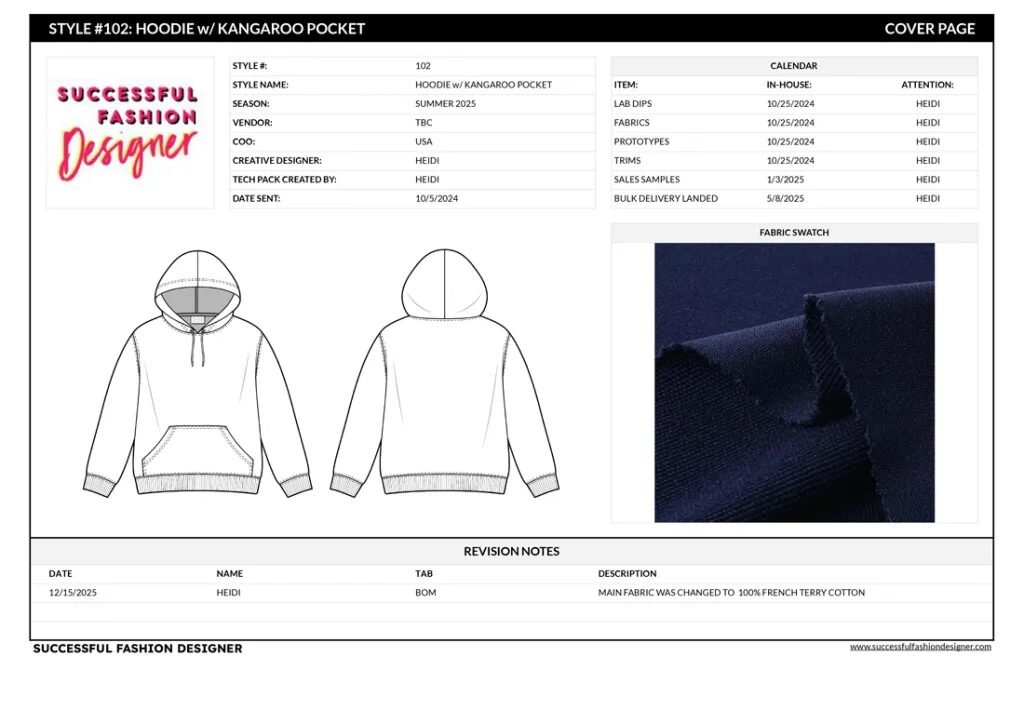
You should have a basic idea of:
- Fabric type (cotton, fleece, French terry, blends)
- Fabric weight (GSM)
- Fit (oversized, regular, slim, cropped)
- Printing or embroidery methods
- Seasonal use (spring/summer vs fall/winter)
You don’t need a perfect tech pack at this stage, but you should be able to clearly explain what kind of hoodie you want.
Estimate Your Order Quantity
Manufacturers work in bulk, so knowing your estimated order volume is essential. Be realistic about:
- Your initial order
- Potential reorders
- Growth over the next 6–12 months
This helps you avoid factories whose MOQ is far beyond your current capacity.
Manufacturer vs Supplier: Choose the Right Partner Type
One of the most common mistakes new brands make is confusing a manufacturer with a supplier.
A hoodie manufacturer produces hoodies from raw materials. They handle fabric sourcing, cutting, sewing, printing, and quality control. Manufacturers usually offer OEM, ODM, and private label services, which allow for full customization.
A hoodie supplier typically resells ready-made hoodies produced by factories. Suppliers can be useful for small test orders or fast delivery, but customization options are limited and costs are usually higher per unit.
If your goal is to build a real brand with custom designs and long-term scalability, working directly with a manufacturer is almost always the better choice.
Evaluate Product Quality and Fabric Standards
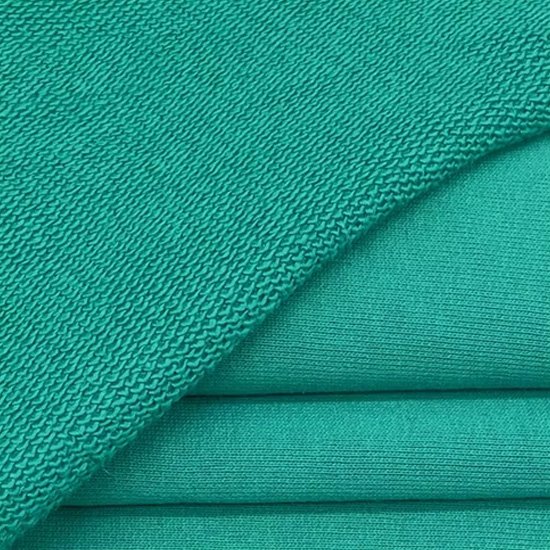
Product quality is the foundation of your brand. No marketing strategy can save a hoodie that feels cheap or falls apart after a few washes.
Fabric Quality
Ask manufacturers about:
- Fabric composition
- Fabric sourcing
- Shrinkage and colorfastness
- Fabric testing standards
Request fabric swatches if possible. A reliable manufacturer will be transparent about material details.
Construction and Stitching
Pay attention to:
- Seam strength
- Stitch density
- Cuff and hem finishing
- Hood construction
Poor stitching is one of the easiest ways to spot low-quality manufacturing.
Assess Customization Capabilities
Your brand identity depends on how much you can customize your hoodies.
A good hoodie manufacturer should offer:
- Multiple printing methods (screen printing, DTG, embroidery, patches)
- Custom labels (neck labels, size labels, wash labels)
- Branded packaging options
- Flexible sizing and fit adjustments
Ask for real examples of past custom work. Photos, videos, or physical samples can reveal a lot about a factory’s true capabilities.
Understand MOQ and Pricing Structure
MOQ and pricing are often misunderstood by brands, especially beginners.
MOQ Transparency
A professional manufacturer will clearly explain:
- MOQ per style
- MOQ per color
- Differences between sample MOQ and bulk MOQ
Be cautious of factories that avoid giving clear answers or change MOQs frequently.
Pricing Breakdown
Instead of focusing only on the final price, ask for a cost breakdown:
- Fabric cost
- Printing or embroidery cost
- Labor cost
- Packaging cost
This helps you understand where your money goes and whether cost reductions are possible at higher volumes.
Evaluate the Sampling Process
The sampling stage is where most problems are discovered—and where many brands make mistakes.
Types of Samples
Common samples include:
- Prototype samples
- Size set samples
- Pre-production samples
Ask which samples are included and which are paid.
Sample Quality and Speed
A good sample should accurately reflect:
- Fabric quality
- Fit and sizing
- Printing or embroidery results
Slow sampling, poor communication, or repeated mistakes during sampling are strong warning signs
Production Capacity and Lead Time Matter
A manufacturer might produce great samples but still fail during bulk production.
Production Capacity
Ask about:
- Monthly production volume
- Number of production lines
- Experience with large orders
This is especially important if you plan to scale your brand.
Lead Time
Understand the full timeline:
- Sample development
- Bulk production
- Quality inspection
- Shipping
Reliable manufacturers provide realistic timelines and communicate delays early.
Quality Control and Compliance
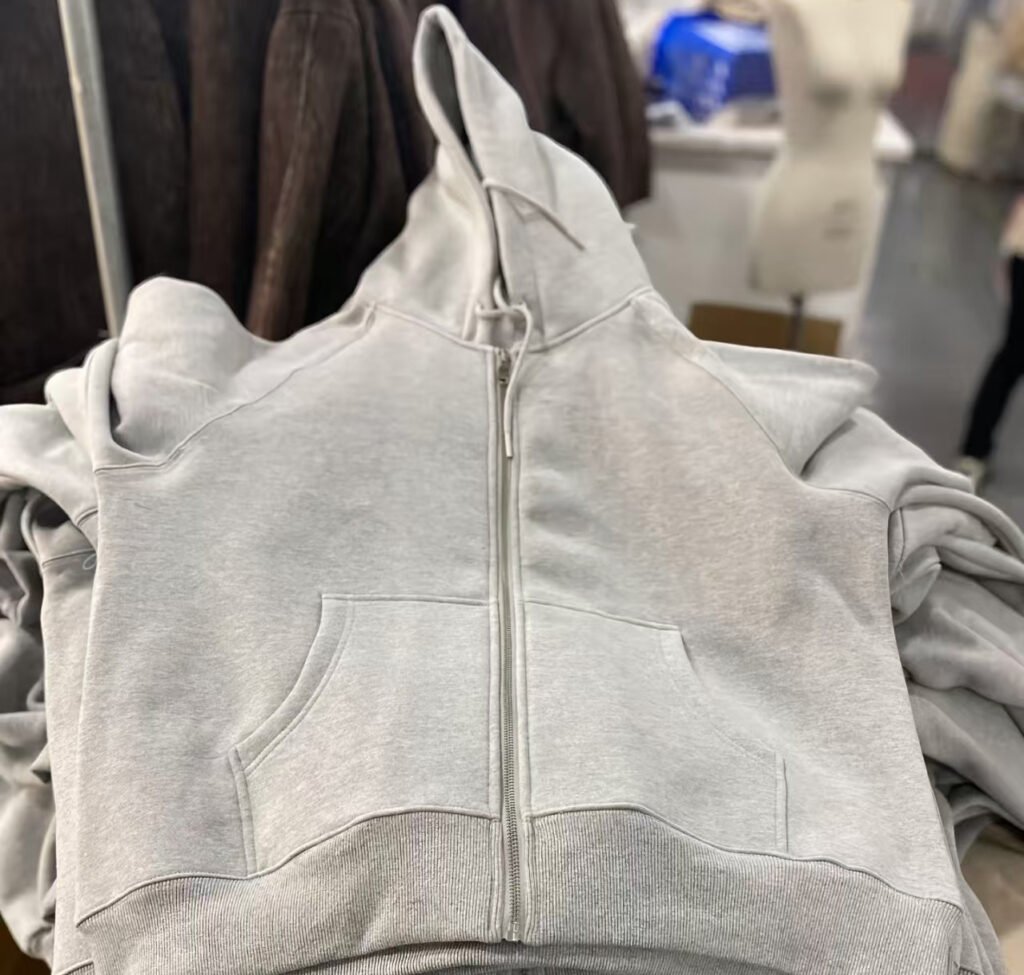
Quality control separates professional manufacturers from unreliable ones.
Internal Quality Control
Ask how the factory handles:
- In-line inspections
- Final inspections
- Defect management
Factories with clear QC processes reduce the risk of costly mistakes.
Compliance and Certifications
Depending on your market, compliance may be critical. Ask about:
- Fabric safety standards
- Social responsibility practices
- Sustainability claims
Never assume compliance—always verify.
Communication and Professionalism
Clear communication is just as important as technical ability.
Pay attention to:
- Response speed
- Clarity of answers
- Willingness to explain processes
Poor communication early on almost always leads to bigger problems later.
A professional manufacturer should be comfortable using documentation such as:
- Tech packs
- Proforma invoices
- Production schedules
Transparency builds trust.
Location: Local vs Overseas Manufacturers
The location of your hoodie manufacturer affects cost, speed, and logistics.
Overseas Manufacturers
Pros:
- Lower production costs
- Large-scale capacity
- Strong customization options
Cons:
- Longer shipping times
- Time zone differences
Local Manufacturers
Pros:
- Faster turnaround
- Easier communication
- Lower shipping risk
Cons:
- Higher costs
- Limited capacity
Your choice should depend on your brand stage and priorities, not just geography.
Red Flags to Watch Out For
Be cautious if a manufacturer:
- Offers prices far below market average
- Refuses to provide samples
- Cannot show real factory photos or videos
- Gives inconsistent answers
- Avoids discussing quality control
Trust your instincts—if something feels wrong, it probably is.
Key Questions to Ask Before Placing an Order
Before confirming any order, ask:
- What is your MOQ per style and color?
- What quality checks do you perform?
- Can you provide production photos or videos?
- How do you handle defects or delays?
- What are your payment terms?
The answers will reveal how professional and reliable the manufacturer truly is.
Conclusion
Choosing the right hoodie manufacturer is not just about placing one order—it is about building a long-term partnership. The best manufacturers grow with your brand, adapt to your needs, and help you maintain consistent quality as you scale.
By understanding your brand requirements, evaluating quality and customization, and paying close attention to communication and transparency, you can avoid costly mistakes and set your brand up for long-term success.