
Streetwear is one of the most influential fashion styles today, but it is also one of the most misunderstood. Some people see it as oversized hoodies, graphic T-shirts. Others see it as a culture built around music, skateboarding, self-expression, and limited-edition drops.
In reality, streetwear is both.
It is a casual fashion style shaped by youth culture, city life, music, sports, and underground communities. Unlike traditional fashion, streetwear does not usually begin on a runway. It often starts from what people actually wear in the streets, at skate parks, at concerts, in neighborhoods, and across creative communities.
Let’s break down exactly what streetwear is, where it came from, and the core pieces that make it work.
Defining Streetwear
At its most basic level, streetwear is casual clothing inspired by subcultures like skateboarding, surf culture, hip-hop, and sports.
What is Streetwear? : Streetwear is a style of casual clothing defined by comfort, community, and exclusivity. It roots itself in skate, surf, and hip-hop cultures, prioritizing oversized silhouettes, graphic designs, and sneaker culture over traditional fashion rules.
However, if you ask anyone deeply involved in the scene, they’ll tell you that streetwear isn’t just a dress code—it’s a mindset. It reverses the traditional “top-down” fashion model. Instead of high-end designers telling the public what is cool, streetwear takes what is happening on the streets and forces the fashion world to pay attention.
A Brief History: From the Beach to the Runway
Streetwear didn’t just appear overnight. It evolved through distinct waves:
- The 1980s (The Roots): It began in Southern California with surf culture. Shawn Stussy, a surfboard shaper, started printing his handwritten logo on t-shirts to sell alongside his boards. Around the same time, New York City’s burgeoning hip-hop scene began embracing oversized athletic gear and workwear brands like Carhartt and Timberland.
- The 1990s (The Blueprint): Skate culture took the reins. Brands like Supreme opened up in New York, becoming hubs for skaters and creatives. Meanwhile, Japan’s Ura-Harajuku district was birthing a parallel movement led by creators like Nigo (founder of A Bathing Ape), focusing on premium quality and extreme exclusivity.
- The 2000s & 2010s (The Takeover): The internet and social media changed the game. Streetwear moved from local subcultures to global online communities. Luxury fashion houses took notice, leading to historic collaborations (like Supreme x Louis Vuitton) and cementing streetwear as the dominant force in modern fashion.
What Makes It “Streetwear”?
To truly understand the style, you need to look at the unwritten rules that drive it. Whether you are buying it or creating it, these four pillars are non-negotiable:
1. Comfort and Utility
Streetwear is built on sportswear and workwear. It features loose fits, durable fabrics, and practical designs. If you can’t skate, move, or hang out in it comfortably, it’s probably not streetwear.
2. The Power of Hype and Scarcity
A massive part of the culture is the “drop” system. Instead of releasing an entire collection for a whole season, brands release limited quantities of products at specific times. This artificial scarcity creates high demand, leading to long lines, instant sell-outs, and a thriving resale market.
3. Community and Subculture
Streetwear acts like a secret handshake. A specific graphic, a niche logo, or a rare pair of sneakers tells the world exactly what music you listen to, what sports you like, or what communities you support. It’s about belonging.
4. High-Low Mixing
Streetwear broke the barrier between luxury and everyday wear. It’s entirely normal to see someone wearing a $500 luxury designer jacket with a $40 graphic tee and a pair of classic, affordable sneakers.
The Essential Key Pieces
If you want to build a streetwear collection or understand the foundational products of the market, everything centers around these key items:
The Graphic Tee
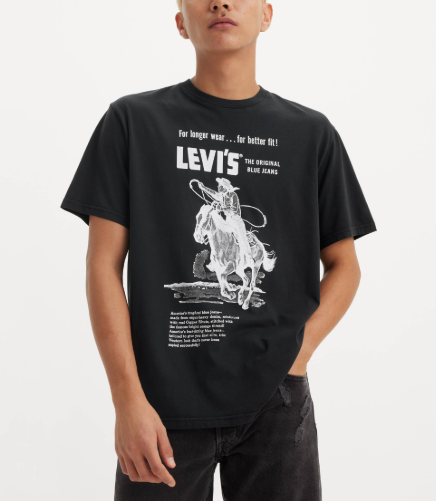
- What to Look For: Heavyweight cotton (200+ GSM), boxy fit, dropped shoulders, and bold graphics or logos.
- Why It Matters: This is the ultimate canvas for self-expression and brand storytelling. A simple tee can instantly communicate an entire vibe.
The Hoodie

- What to Look For: Thick, structured fabric that holds its shape, often designed without drawstrings, featuring a generous, spacious hood.
- Why It Matters: Often called the modern-day suit jacket of streetwear, the hoodie is a daily staple that combines pure comfort with a strong silhouette.
Sneakers
- What to Look For: Classic retro basketball shoes, classic skate shoes, or highly limited collaborations.
- Why It Matters: The literal foundation of any outfit. In streetwear culture, sneakers are often the centerpiece that can make or break the entire look.
The Outerwear
- What to Look For: Bomber jackets, workwear jackets, track jackets, or oversized puffers.
- Why It Matters: Outerwear adds essential layers and texture to an outfit, easily bridging the gap between sporty style and everyday utility.
Cargo Pants / Sweats
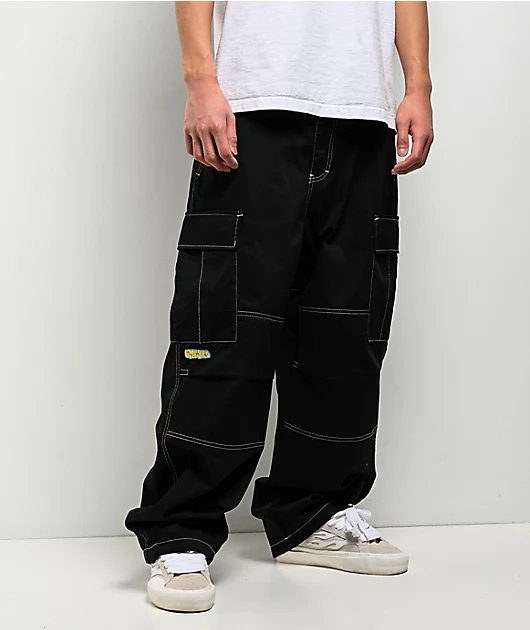
- What to Look For: Loose-fitting cargo pants with practical pocket details, or premium, heavy-fleece sweatpants.
- Why It Matters: These bottoms prioritize comfort while keeping a clean, structured, and modern silhouette from head to toe.
Streetwear vs Casualwear: What’s the Difference?
Streetwear and casualwear can overlap, but they are not the same.
Casualwear focuses mainly on comfort and everyday dressing. It includes basic T-shirts, jeans, sweatpants, hoodies, and simple jackets.
Streetwear also uses these items, but adds stronger styling, cultural references, graphics, silhouettes, and attitude.
For example, a plain regular-fit hoodie worn with simple jeans may feel like casualwear. An oversized heavyweight hoodie with a structured hood, wide-leg pants, and statement sneakers feels closer to streetwear.
The difference is not always the item itself. It is how the item is designed, styled, and understood.
Why Streetwear Matters Today
Streetwear has lasted because it is adaptable. It doesn’t rely on rigid seasonal trends; it relies on people. It reflects culture in real-time.
For the person wearing it, it’s a way to feel confident, comfortable, and connected to a global community. For anyone looking to understand modern consumer culture, it provides the ultimate blueprint for how loyalty, community, and great design can turn simple casual clothing into something iconic.