
Pants have become one of the most important categories in modern apparel collections. As slim fits become less dominant, straight-leg and wide-leg pants are now two of the most common silhouettes used across casualwear, streetwear, and everyday fashion.
For clothing brands, the choice between these two fits affects more than the final look. It also shapes fabric selection, pattern development, and how the product connects with your target customers.
This guide compares straight-leg and wide-leg pants to help you choose the right fit for your next collection.
Understanding the Silhouettes
While both fits offer an alternative to form-fitting styles, they approach volume, drape, and proportion from entirely different design philosophies.
Straight-Leg Pants
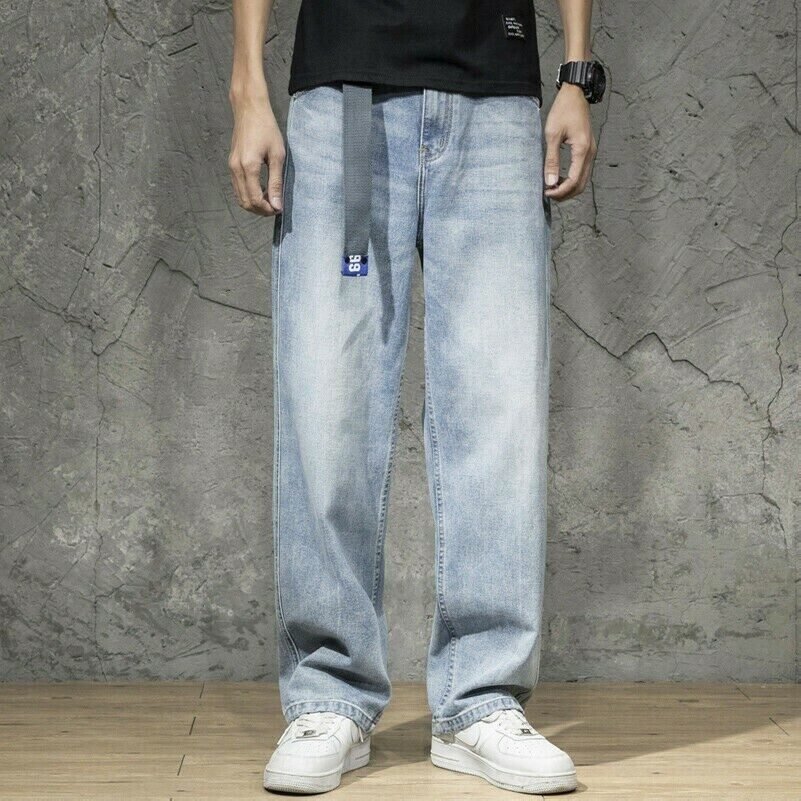
This cut maintains a consistent width from the hip down through the hem. It skims the thigh without clinging and drops vertically to create a clean, elongated visual line. It is arguably the most versatile silhouette in modern tailoring.
Wide-Leg Pants
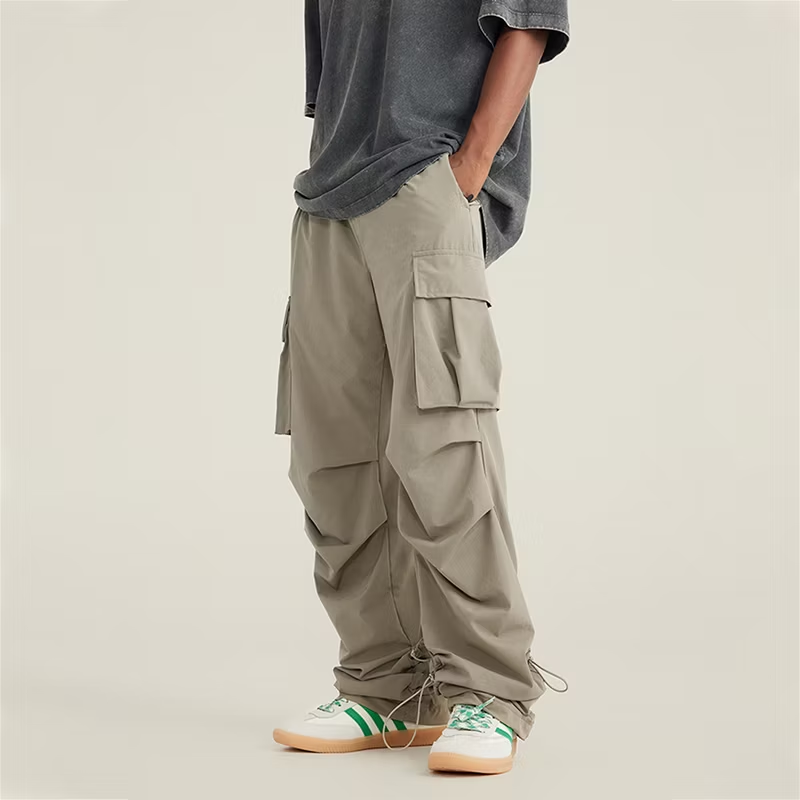
This fit flares out gently from the waist or hip, cascading down into a generous hemline. It prioritizes volume, movement, and a bold structural footprint, often leaning into a more directional or high-fashion aesthetic.
Structural Comparison: Fabric, Cut, and Construction
Choosing between these patterns requires looking closely at how fabric dynamics and construction costs influence the final product.
| Technical Metric | Straight-Leg Fit | Wide-Leg Fit |
| Fabric Yield | Moderate (~1.2 to 1.5 yards per unit) | High (~1.8 to 2.5+ yards per unit) |
| Optimal Materials | Rigid denim, mid-weight twill, structured wool | Fluid crepe, heavy linen, tencel, drapey gabardine |
| Pattern Complexity | Low to Moderate (Standard grading scales) | High (Requires precise waist-to-hip balancing) |
Straight-Leg Pants: The Commercial Safe Haven
If your label prioritizes consistency, versatility, and broad market appeal, the straight-leg pant is a foundational necessity.
The Advantages:
- Production Predictability: Because the fabric yields are lower and more consistent, fabric utilization is highly optimized. This keeps your cost of goods sold (COGS) stable.
- Sizing Forgiveness: Straight cuts are inherently easier to grade across standard size charts. They present fewer fit pain points at the calf and ankle, which translates to smoother inventory turnover and predictable online sales.
- Styling Agility: From casual streetwear denim to corporate trousers, this cut effortlessly pairs with cropped jackets, oversized knits, flats, or heels.
Wide-Leg Pants: The Margin-Driving Statement
When a collection needs to command attention, signal premium design authority, or capture high-margin retail trends, wide-leg architecture is unparalleled.
The Advantages:
- Premium Positioning: The sheer volume of fabric creates an immediate perception of luxury and high-value design. Consumers routinely pay a premium for pants that exhibit beautiful drape and fluid movement.
- Visual Drama: Wide-leg pants create an iconic silhouette on digital storefronts and marketing lookbooks. They are naturally eye-catching, driving higher click-through rates on visual platforms.
- Inclusivity Potential: When patterned correctly with a high rise and fluid drape, a wide-leg pant offers an incredibly flattering, lengthening silhouette for a diverse range of body shapes.
Dilemma: A wide-leg pant lives or dies by its fabric selection. If the textile is too rigid, the pant boxes out and distorts the wearer’s frame. If it is too light, it loses its structural integrity. Straight-leg styles are far more forgiving across varying fabric weights.
How to Choose Right Fit?
Deciding where to allocate your production resources ultimately depends on your immediate market objectives and supply chain capabilities.
Lean toward Straight-Leg if:
Your primary focus is minimizing overhead, maintaining high-volume production runs, and catering to a customer base that values classic, multi-season wearability. It is the ideal choice for launching a core, permanent collection.
Lean toward Wide-Leg if:
You are aiming to elevate your market positioning, target a trend-forward demographic, or inject high-margin statement pieces into a capsule drop. It is the perfect anchor for premium seasonal collections.
Many successful labels choose a balanced matrix: anchoring 70% of their trouser inventory in dependable straight-leg variations, while utilizing 30% wide-leg silhouettes to drive seasonal storytelling and premium revenue.
Conclusion
Straight-leg and wide-leg pants both have strong appeal, but they serve different style goals. Straight-leg pants are cleaner, more versatile, and easier to build into everyday collections, while wide-leg pants create more volume, movement, and visual impact.
If you are developing custom pants for a streetwear or casualwear line, we can help pattern development, sampling, and bulk production. Contact us to discuss your next pants collection.