
Streetwear categories have expanded far beyond basic hoodies and logo tees. For today’s brands, understanding the full range of streetwear categories is essential for building a product line that feels relevant, commercially balanced, and production-ready.
However, building a strong streetwear collection is not simply about mixing and matching trendy items. It requires a clear understanding of which categories can boost sales, shape brand image, and enrich the product line.
In this guide, we’ll introduce 6 essential streetwear categories that every brand should understand, along with the production considerations behind each category.
1. Heavyweight Graphic Tees and Basics
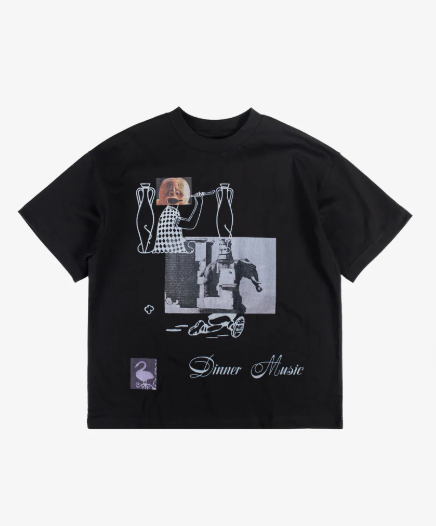
T-shirts remain one of the most important categories in streetwear. They are often the most accessible entry point for customers and one of the easiest products for brands to use in storytelling.
The Rise of High-GSM Fabrics
A defining characteristic of premium streetwear is the use of heavyweight cotton. We typically see brands opting for 240 GSM to 300 GSM (Grams per Square Meter) single jersey. This weight provides the structured, boxy silhouette that has become a staple of the industry.
From a manufacturing perspective, this requires sourcing high-quality long-staple cotton to ensure that despite the weight, the fabric remains breathable and soft.
Printing and Finishing
Streetwear is a medium for art. Whether it is traditional screen printing, puff printing for 3D texture, or Direct-to-Garment (DTG) for complex photorealistic designs, the choice of application matters.
Brands must also consider finishing processes like enzyme washes or silicone softeners to give new garments a “lived-in” premium feel right out of the polybag.
2. Hoodies and Sweatshirts
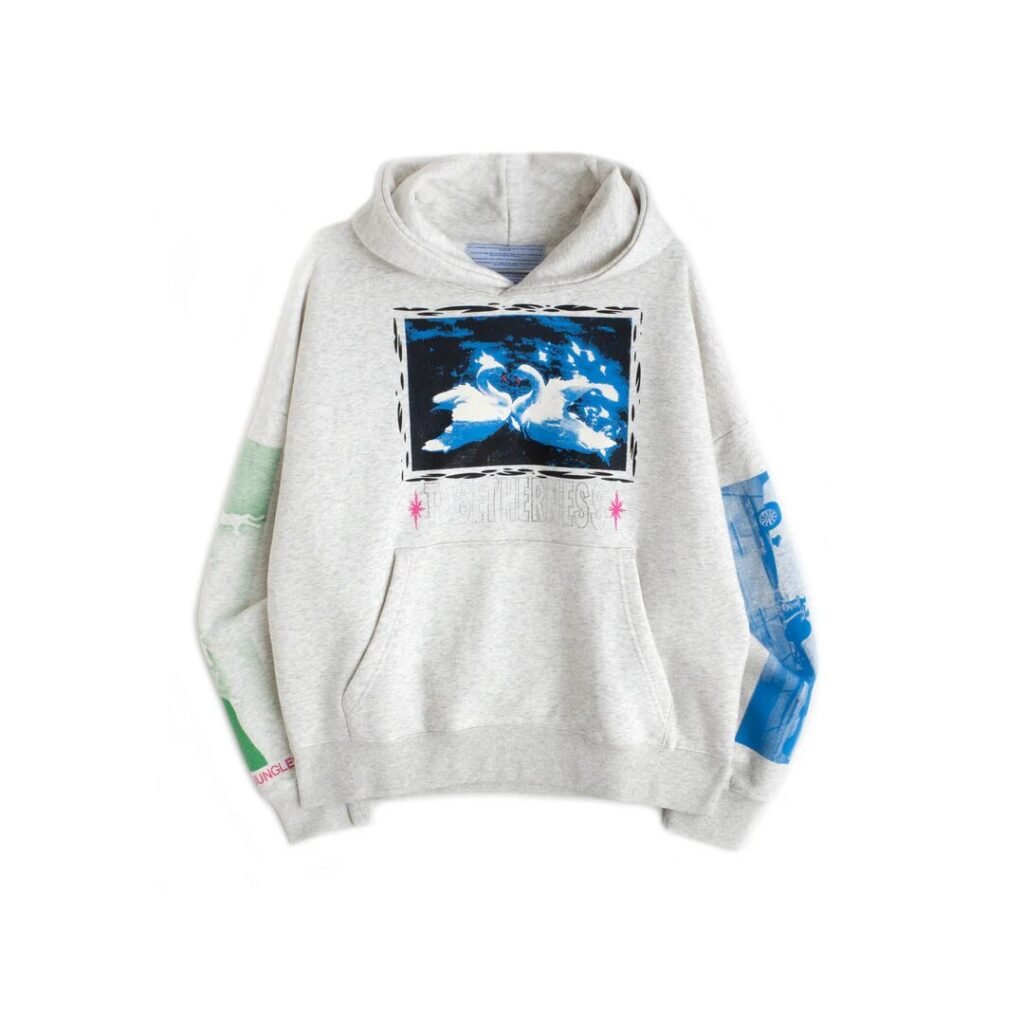
Hoodies and sweatshirts are central to modern streetwear because they combine comfort, identity, and layering value. They also offer strong canvas space for branding details such as chest prints, back graphics, embroidery, patchwork, woven labels, and custom drawcords.
This category typically carries higher unit value than tees, which can improve average order value, but it also requires stronger technical control.
Common hoodie and sweatshirt Type
Pullover hoodies
These are often used as the core fleece item in a collection. They work well for both minimal branding and large-format graphics.
Zip-up hoodies
These add styling flexibility and are often favored in layered streetwear looks. Zipper choice and front panel balance become important here.
Crewneck sweatshirts
A cleaner option for brands with a more refined or fashion-led streetwear direction.
Washed or distressed fleece
Used for vintage-inspired collections, though these require extra wash testing and color consistency control in bulk production.
For brands developing hoodies, fit is often the biggest differentiator. The body width, shoulder drop, hood depth, sleeve volume, and hem finish all influence whether the piece feels contemporary or generic.
3. Jackets and Outerwear
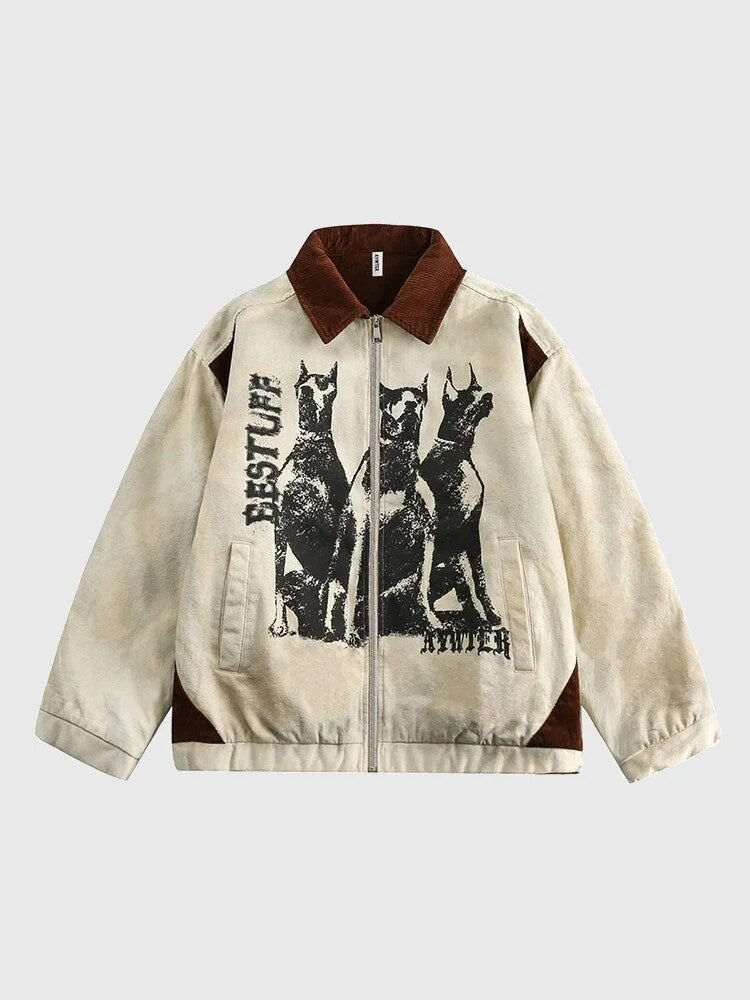
Outerwear is often key for streetwear brands to showcase their depth and design sophistication. It also helps brands move beyond print-centric marketing, revealing a more refined aesthetic in terms of cut, construction, and craftsmanship.
Common streetwear outerwear types
Bomber jackets
A classic streetwear category that works well for nylon, satin, twill, or padded constructions.
Varsity jackets
Popular for heritage and collegiate-inspired collections. These often involve embroidery, chenille patches, rib details, and heavier material combinations.
Workwear jackets
Usually built in canvas, twill, denim, or brushed cotton. They fit well with utility-driven streetwear lines.
Coach jackets and windbreakers
Lightweight and commercially flexible, especially for transitional seasons.
Puffer and insulated jackets
Higher complexity, especially around filling distribution, lining, zipper quality, and fit balance.
4. Joggers, Sweatpants, and Casual Bottoms
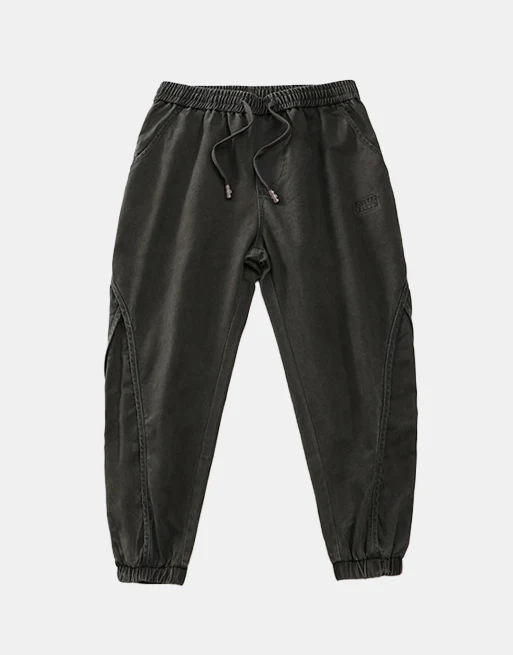
The “silhouette” of streetwear is often defined from the ground up. The shift away from skinny fits toward relaxed, functional trousers has made the “Bottoms” category a high-growth area for many brands.
Key bottom categories in streetwear
- fleece joggers
- straight-leg sweatpants
- nylon utility pants
- cargo pants
- carpenter pants
- wide-leg casual trousers
- technical track pants
The main challenge in bottoms is fit consistency. Rise, thigh volume, knee shape, leg opening, waistband tension, and pocket placement all affect wearability. Streetwear customers are often highly specific about silhouette, so small pattern changes can significantly influence product acceptance.
Denim and Washed Bottoms
Denim is not mandatory for every streetwear brand, but it remains an important category for labels that want stronger wardrobe depth. Streetwear denim usually leans toward relaxed fits, washed finishes, carpenter details, patchwork, raw hems, or oversized proportions rather than classic slim silhouettes.
5. Shirts, Overshirts, and Layering Pieces
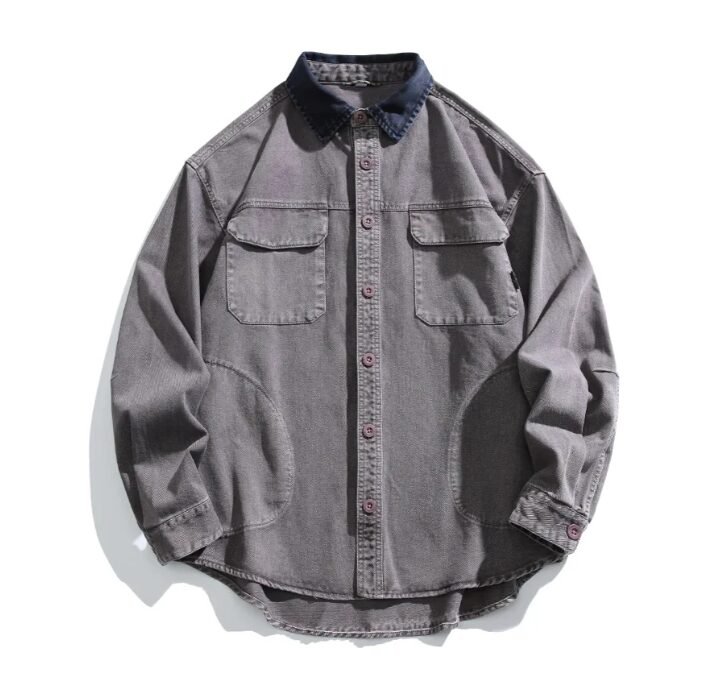
Not all streetwear is fleece and jersey. Shirts and overshirts add structure and versatility to a collection, especially for brands that want a more elevated or transitional assortment. These pieces often sit between shirt and jacket, which makes them useful for layering and strong in cross-season merchandising.
Overshirts in twill, canvas, brushed cotton, plaid flannel, or lightweight denim are especially common. They work well with patch pockets, branded snaps, embroidery, and relaxed fits.
6. Shorts
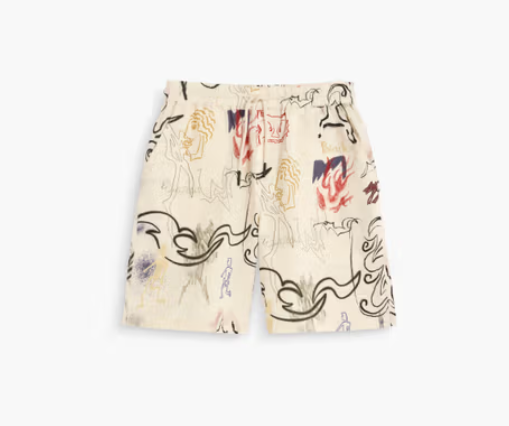
Shorts are often more commercially important than brands expect because they support seasonal launches and can be paired easily with graphic tops. They also allow brands to repeat successful silhouettes with new colors, trims, or graphics.
Main streetwear shorts types
Fleece shorts
Comfort-driven and easy to merchandise with hoodies and tees.
Mesh shorts
Strong in sport-influenced streetwear collections.
Cargo shorts
Useful for utility-led assortments.
Nylon shorts
Lightweight and functional, especially with technical design cues.
As with bottoms generally, proportions matter. Inseam length, leg width, waistband structure, and fabric drape all shape the final look.
How Brands Should Build a Balanced Streetwear Assortment
Knowing the categories is only the first step. The next question is how to build the assortment correctly. Most strong streetwear collections combine three layers:
Foundation categories
These are repeatable volume products such as T-shirts, hoodies, sweatshirts, and simple bottoms.
Identity categories
These create differentiation, such as statement outerwear, washed denim, patchwork pieces, or distinctive graphics.
Support categories
These fill out the collection and improve styling flexibility, including overshirts, shorts, and coordinated sets.
A factory partner can add value here by helping brands evaluate which categories are realistic for their stage of growth. Not every brand should launch with ten complex categories at once. In many cases, it is better to build around a few strong silhouettes, refine fit and finishing, and scale with consistency.
Working With a Manufacturer That Understands Streetwear
Streetwear production is not only about making garments. It is about translating brand direction into products with the right silhouette, weight, finishing, and consistency. A manufacturer experienced in streetwear development can support more than bulk production. They can help with:
- fit block refinement
- fabric and trim recommendations
- print and embroidery application choices
- wash development planning
- construction methods for oversized and relaxed silhouettes
- category sequencing for smoother collection development
This is especially important for brands moving from concept stage to repeatable production. The strongest results usually come from early alignment between creative goals and manufacturing reality.
Conclusion
Understanding essential streetwear categories helps brands build collections that are more focused, more wearable, and more scalable. The goal is not to develop every category at once, but to know how each one contributes to brand identity and commercial performance.
If you are looking to develop a streetwear collection with stronger category planning and production support, our team can help turn your ideas into a more structured and market-ready product line. Contact us today!
FAQ
The main streetwear categories usually include T-shirts, hoodies, sweatshirts, jackets, cargo pants, joggers, denim, shirts, overshirts, and shorts.
Most new brands begin with graphic T-shirts and hoodies because they are core identity products and usually easier to merchandise.
Not always. Outerwear can add depth and higher perceived value, but it is also more complex and cost-sensitive. For smaller brands, it may be better to first establish strong core categories before moving into advanced outerwear.
Brands should look for a manufacturer with experience in oversized fits, wash development, print techniques, trim sourcing, and category-specific construction. Streetwear requires more than standard garment production; it depends heavily on silhouette and finishing accuracy.